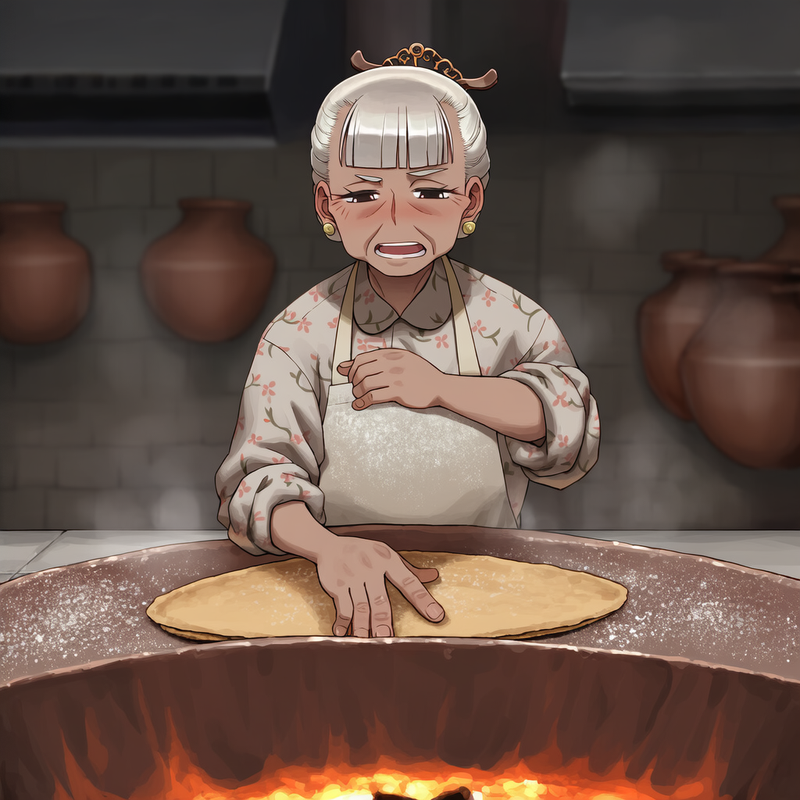
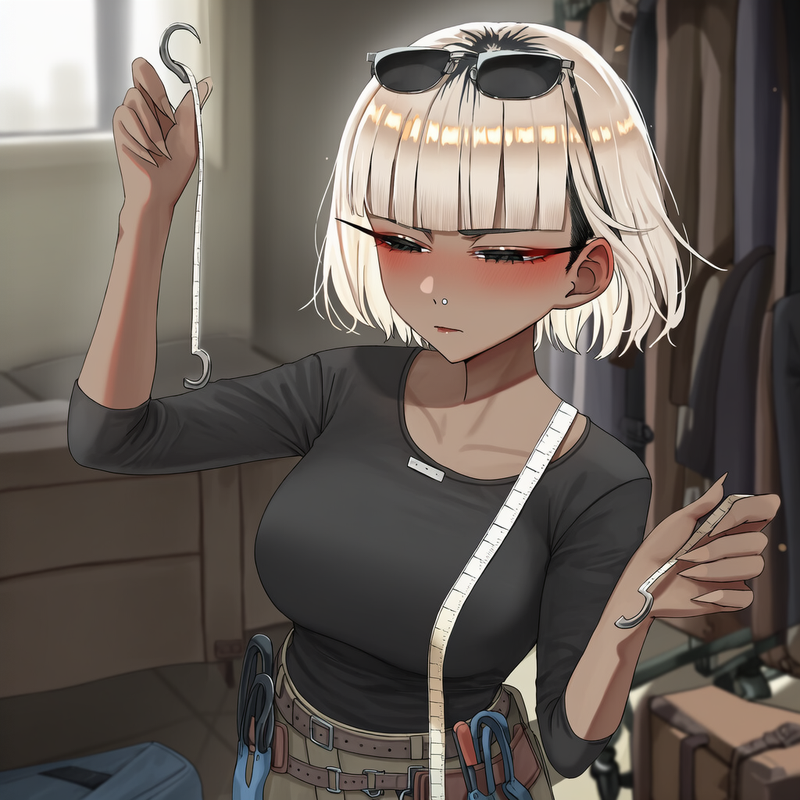
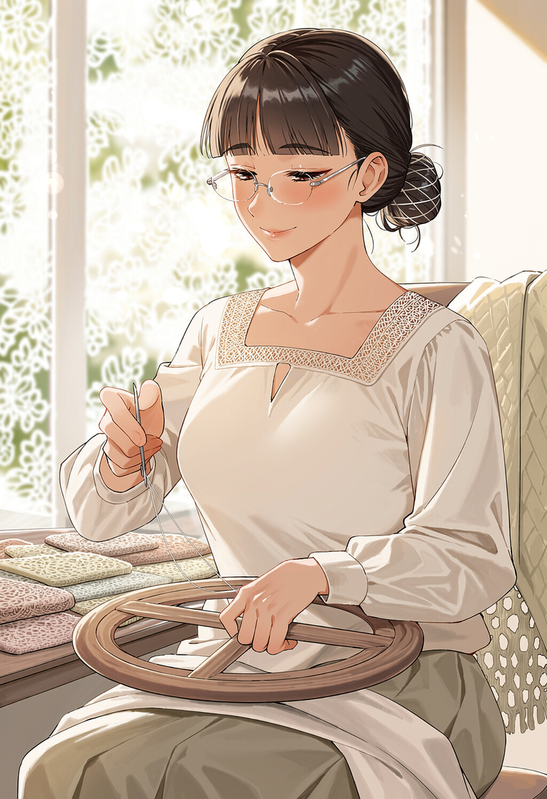
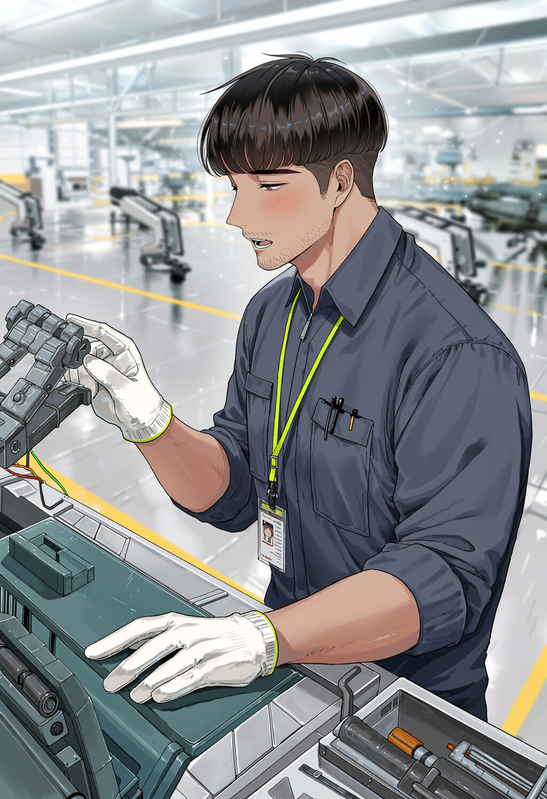
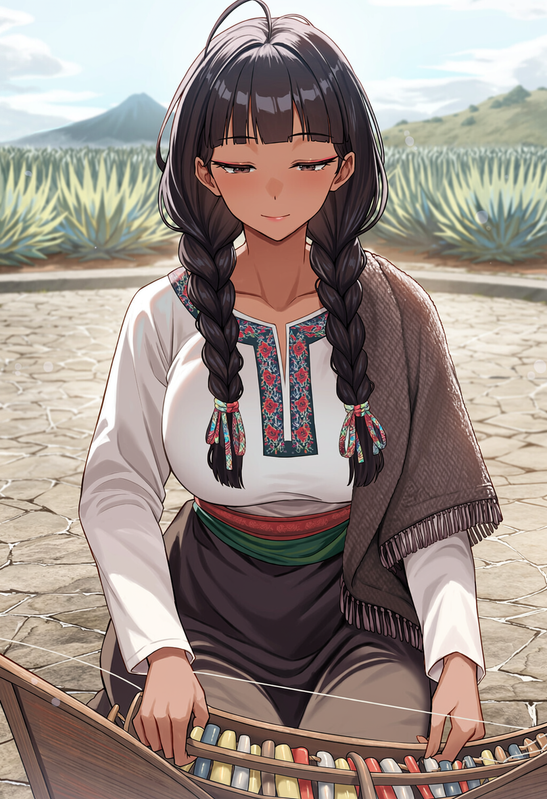
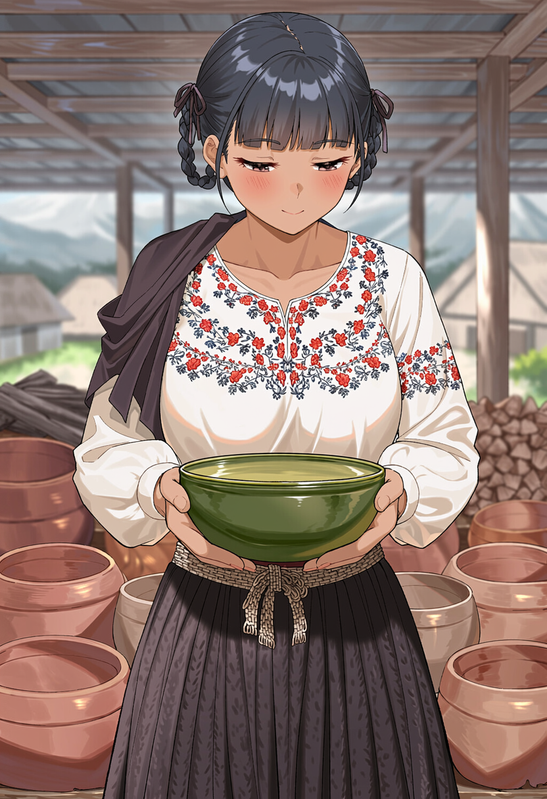
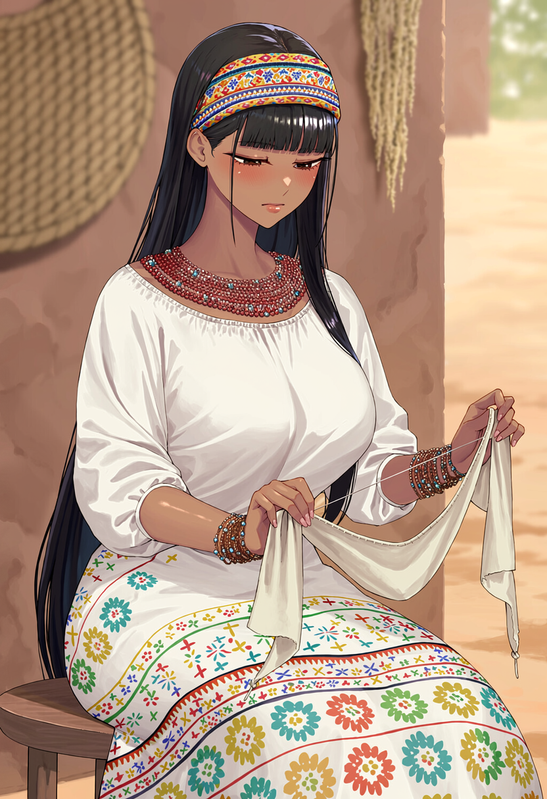
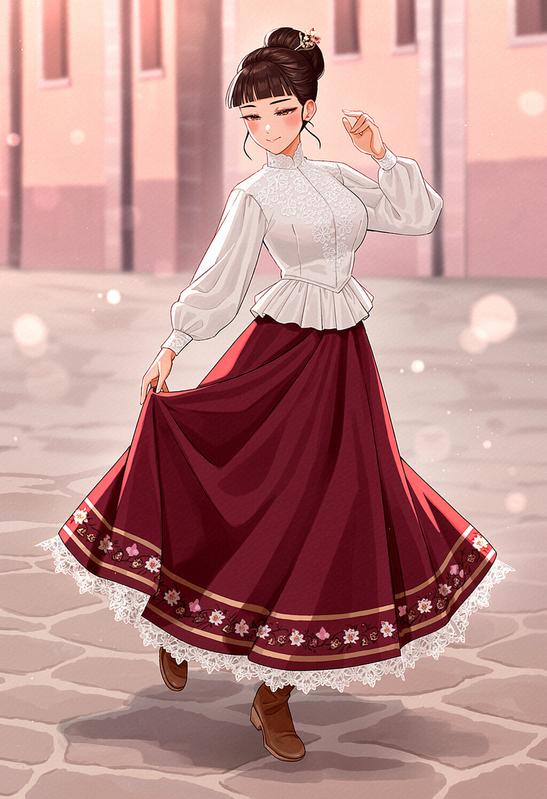
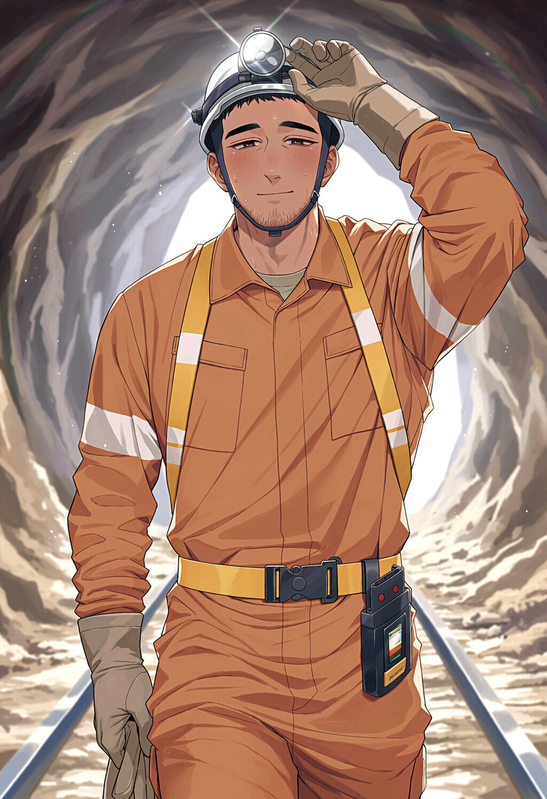
AGUASCALIENTES — The drawn-thread work became famous alongside the train tracks: women sold their embroidery to passengers. Today, a shift at the automotive plant.
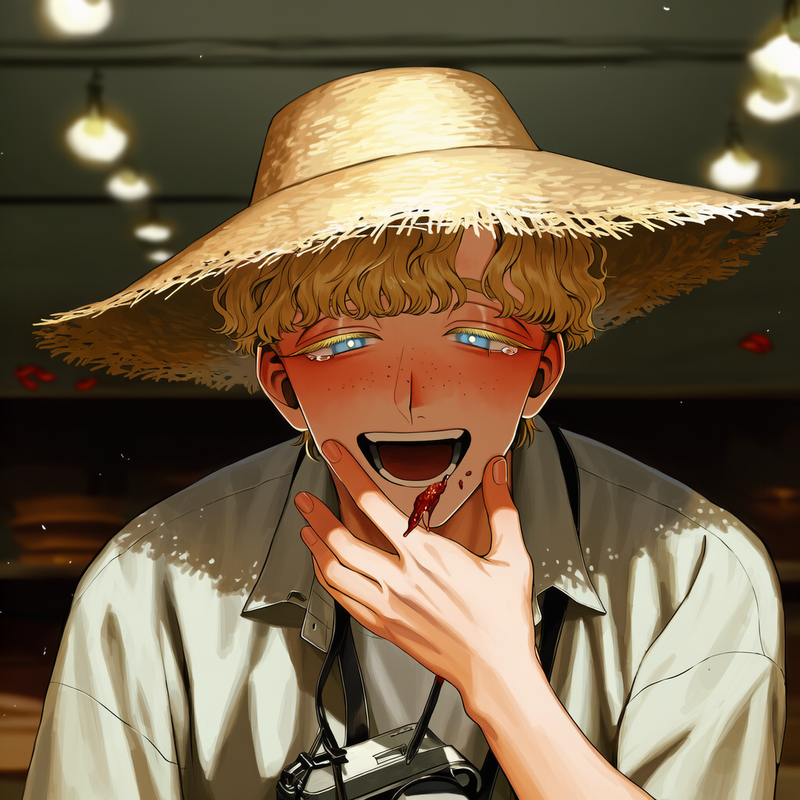
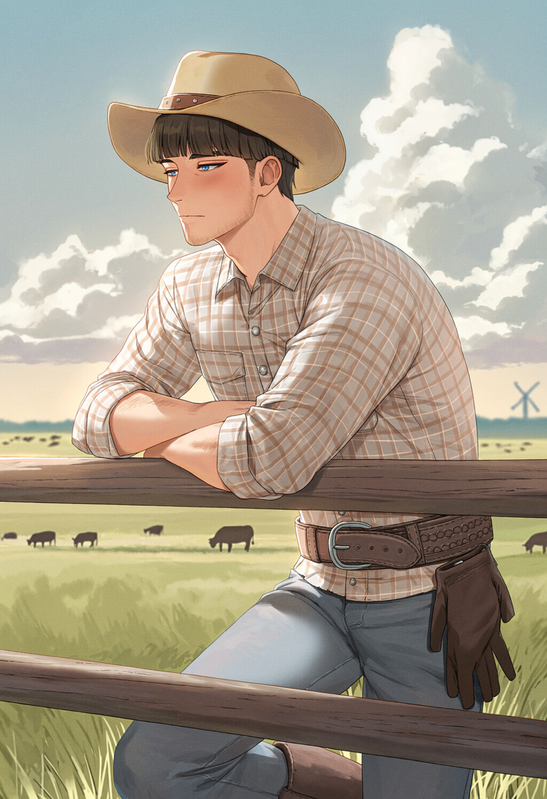
BAJA CALIFORNIA — The ranch cowboy wears leather against thorns and a wide brim against the sun: nothing is decorative. Today, seafood and wine cuisine in the valley.
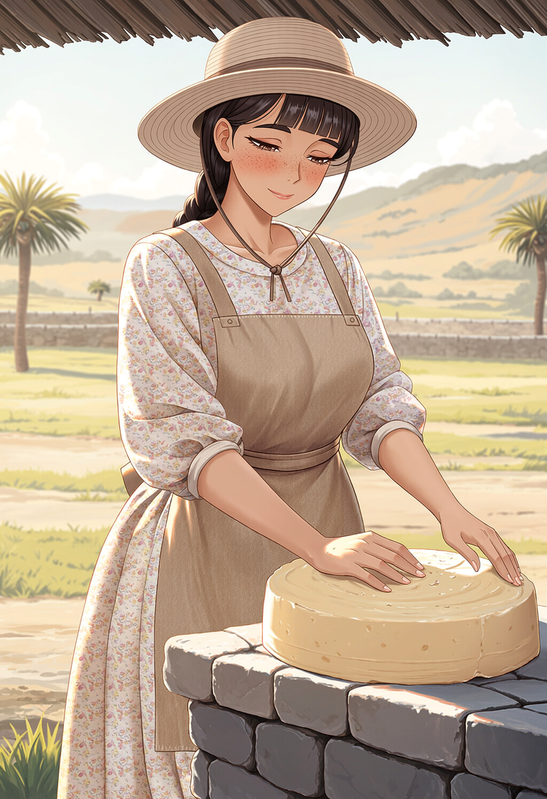
BAJA CALIFORNIA SUR — The mountain ranches have been making cheese and leather goods in near isolation for three centuries. Today, a panga boat on the Sea of Cortez.
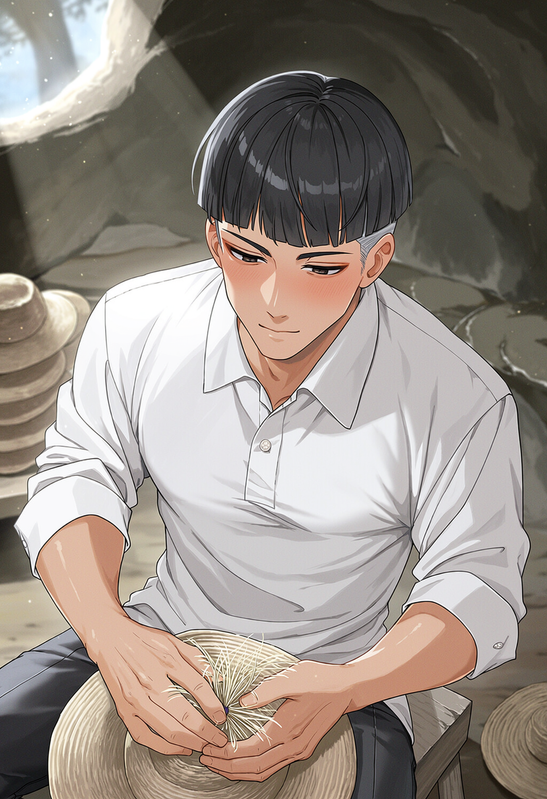
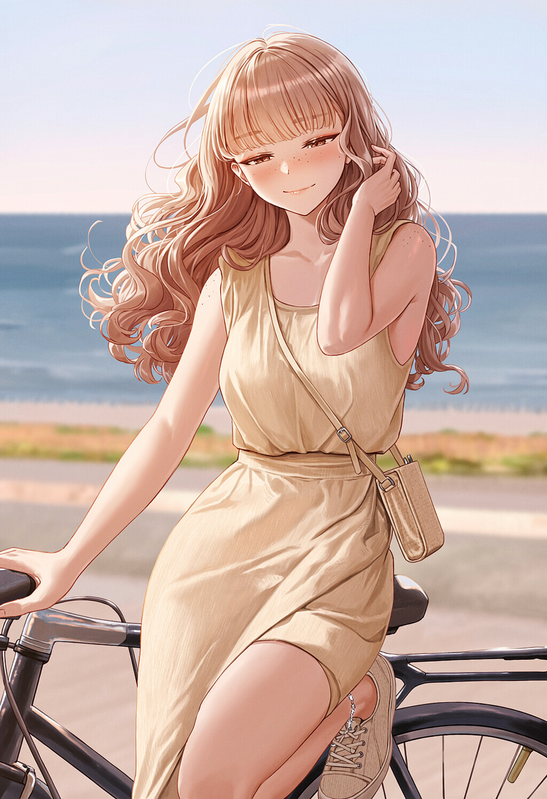
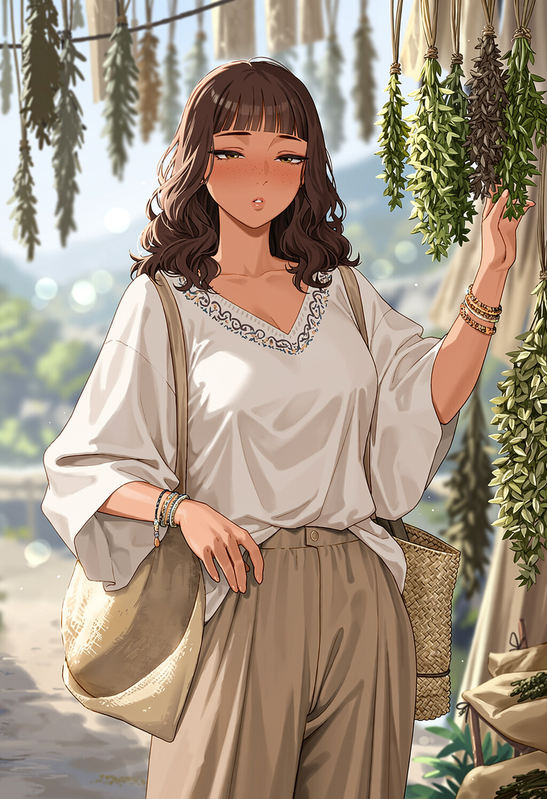
CAMPECHE — Jipijapa hats are woven inside humid caves: in dry conditions, the palm breaks. Today, cycling on the boardwalk at sunset.
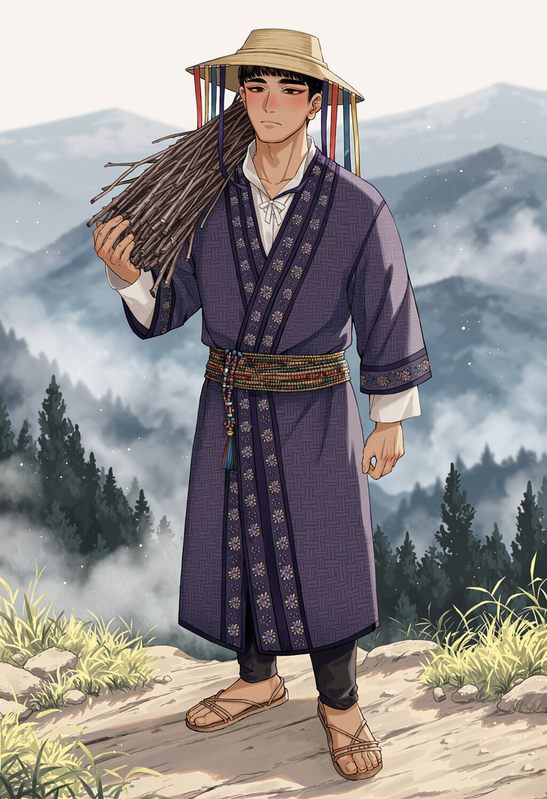
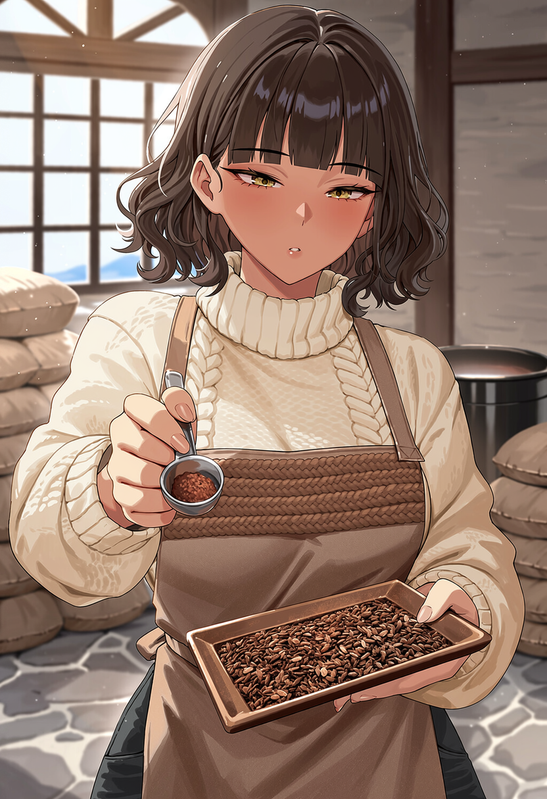
CHIAPAS — In Zinacantán, loose ribbons on a hat indicate the man is single. Today, roasting coffee in San Cristóbal.
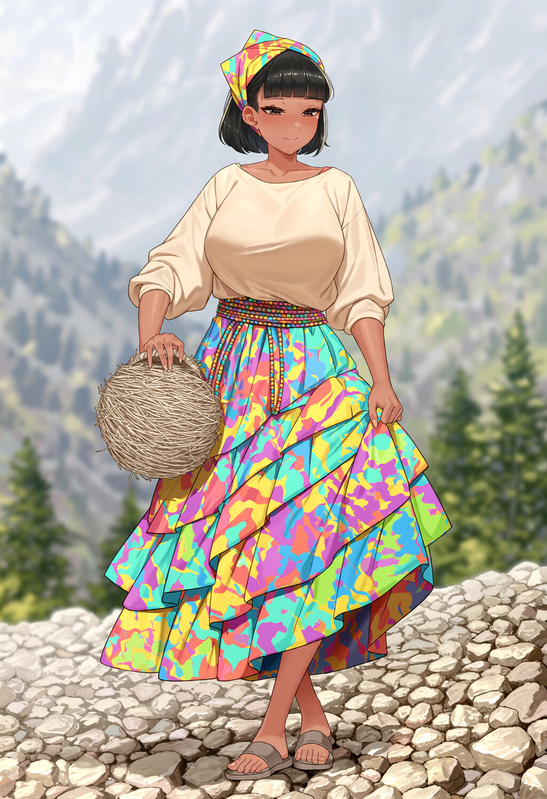
CHIHUAHUA — The Rarámuri skirt is worn layered; in the high mountains, they can add meters of fabric. Today, cattle ranching in the grasslands.
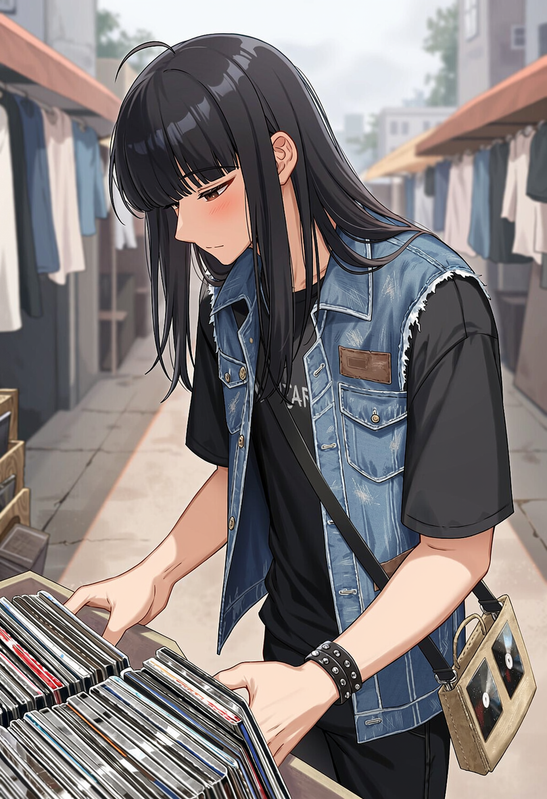
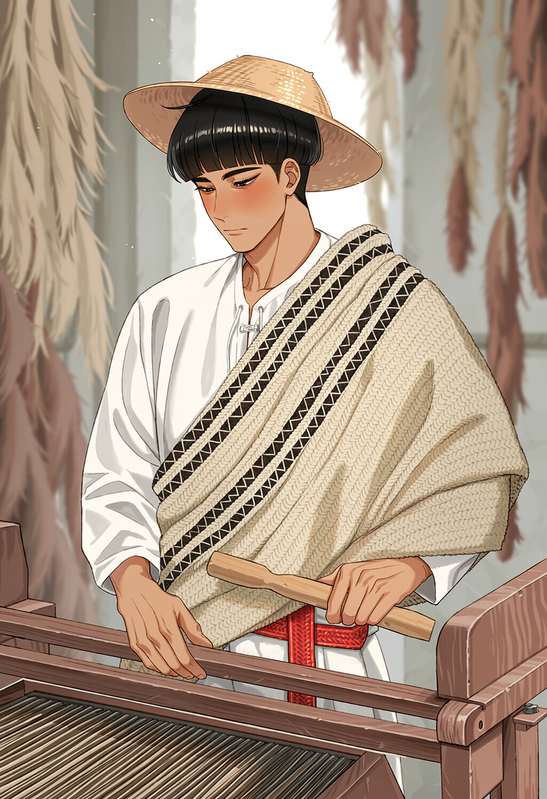
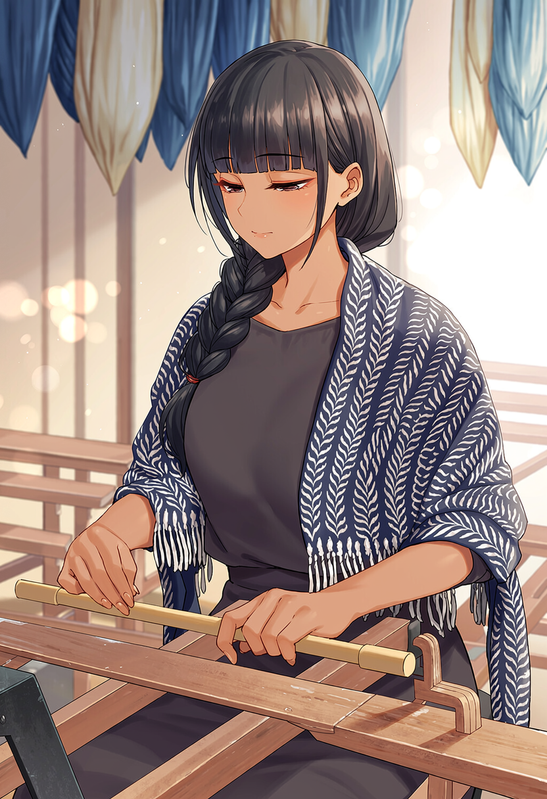
MEXICO CITY — The capital has no unique attire: its living textile is the southern Nahua, woven on a backstrap loom. Today, Saturday at the Chopo market.
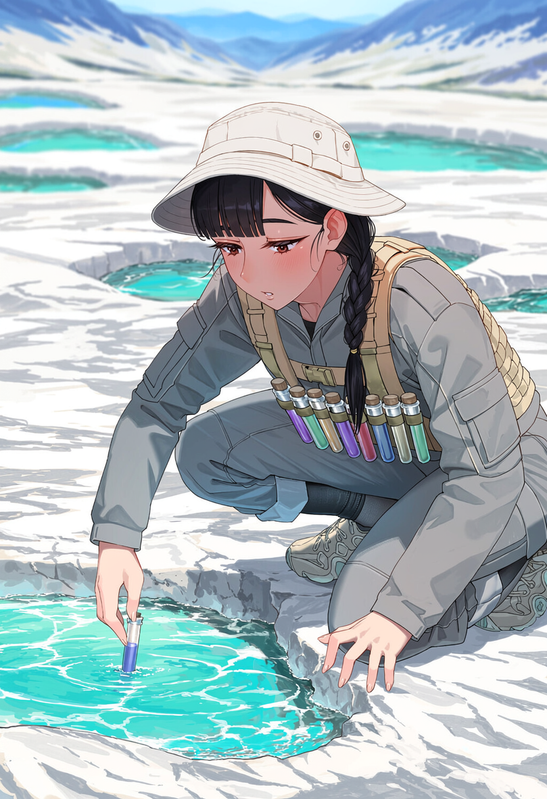
COAHUILA — The coal basin has supplied the country’s coal for over a century. Today, science at the Cuatro Ciénegas pools.
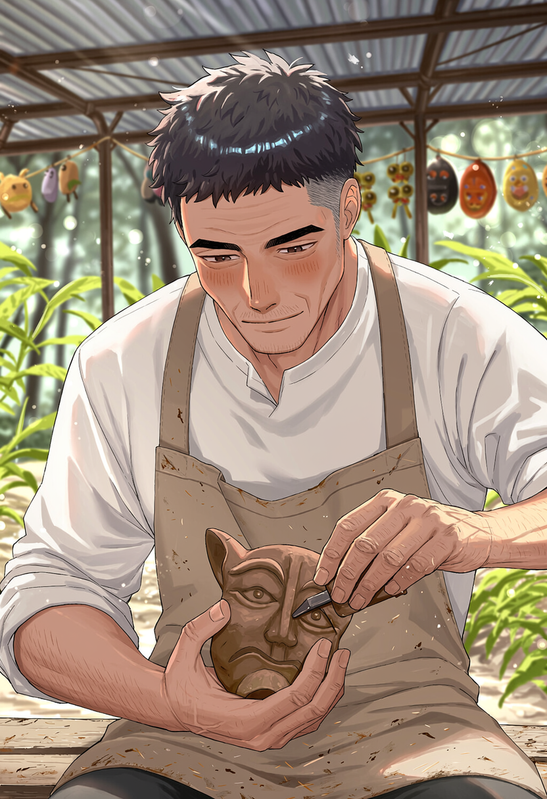
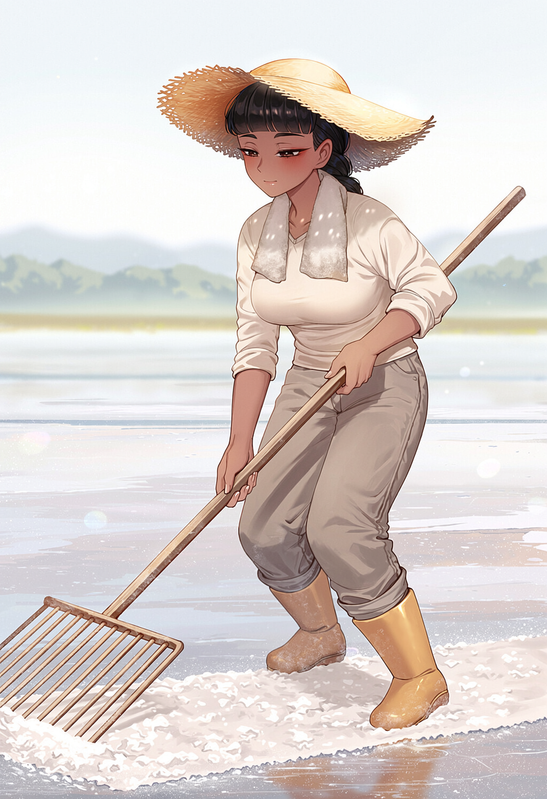
COLIMA — In Suchitlán, they carve masks of coyotes, goats, and owls; the town lives off this craft. Today, raking salt at the Cuyutlán salt flats.
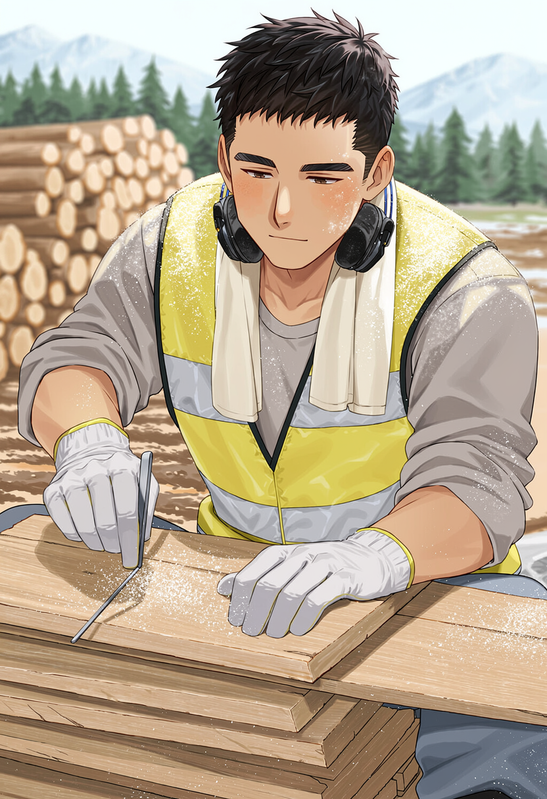
DURANGO — What is now considered the state’s traditional attire dates back to the Revolution, not a community textile. Today, a sawmill in the pine mountains.
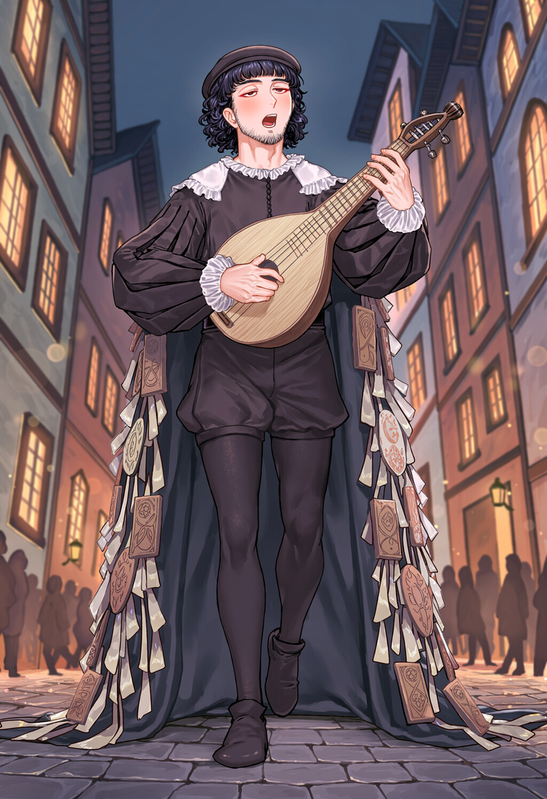
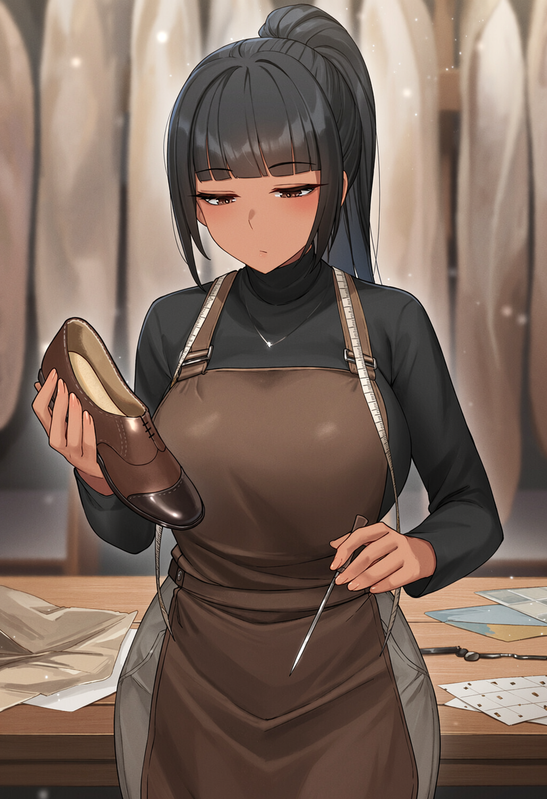
GUANAJUATO — The capa from the callejoneada is a record: each ribbon is earned in a different city. Today, footwear design in León.
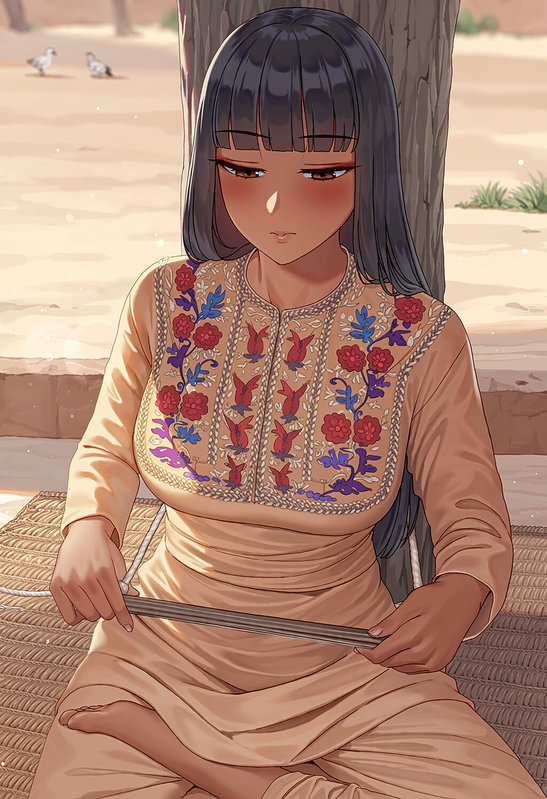
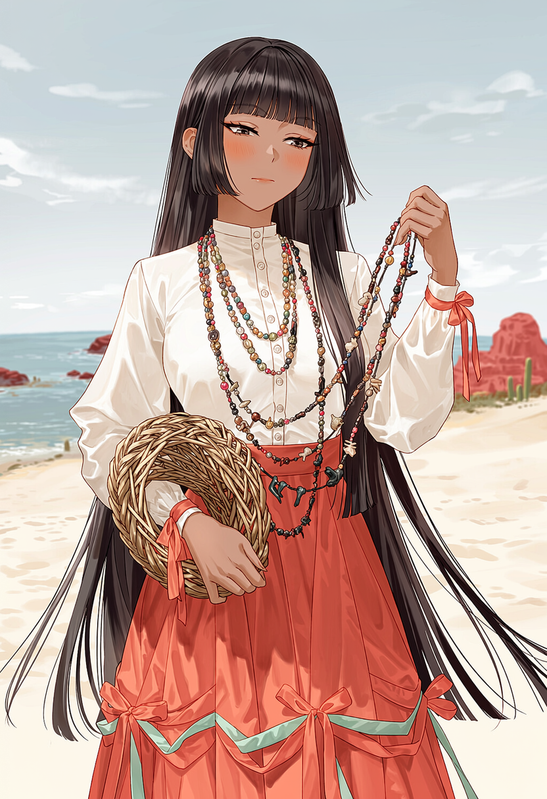
GUERRERO — The Amuzgos don’t call it a huipil but a chuey; the coyuchi cotton is naturally brown, not dyed. Today, surfing and salt in the bay.
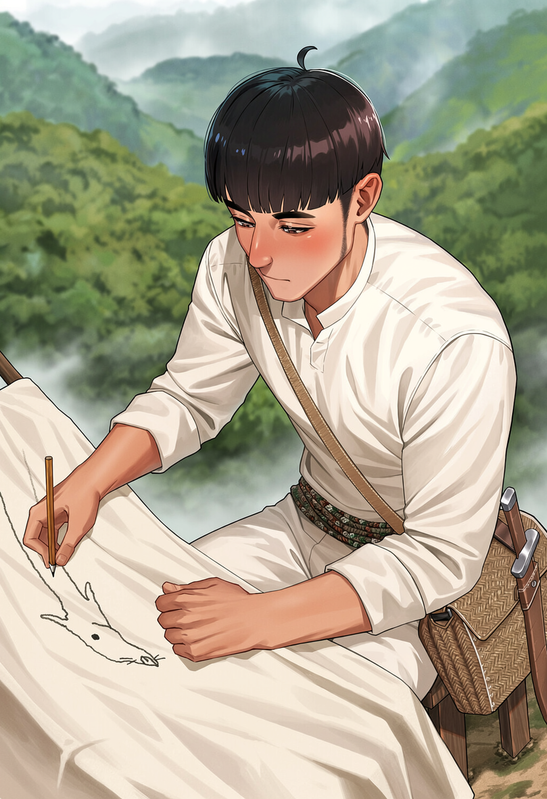
HIDALGO — In Tenango embroidery, men draw the design on the white fabric and women embroider it. Today, capes against the Pachuca wind.
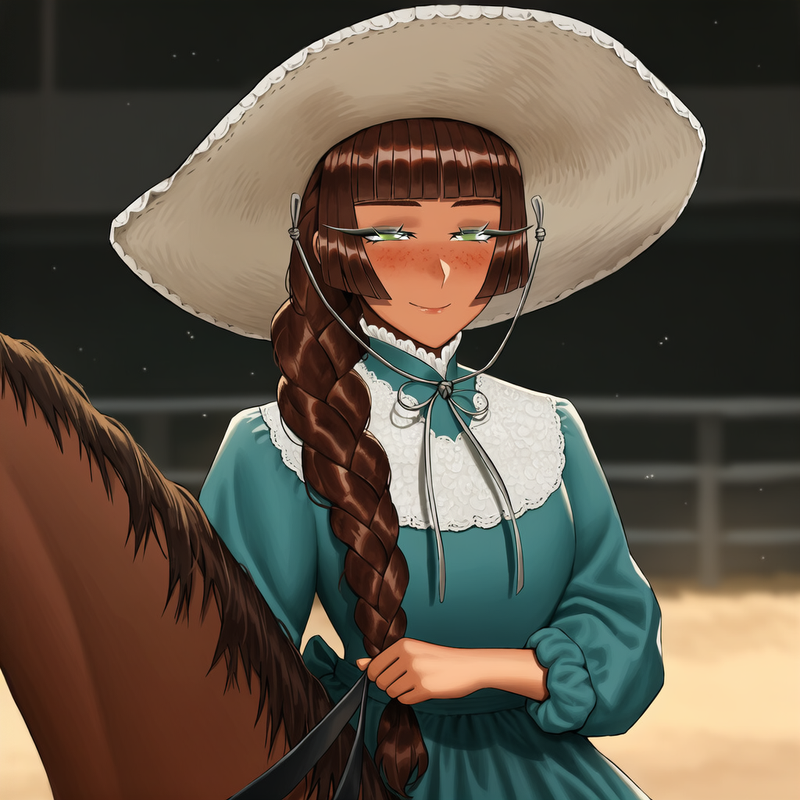
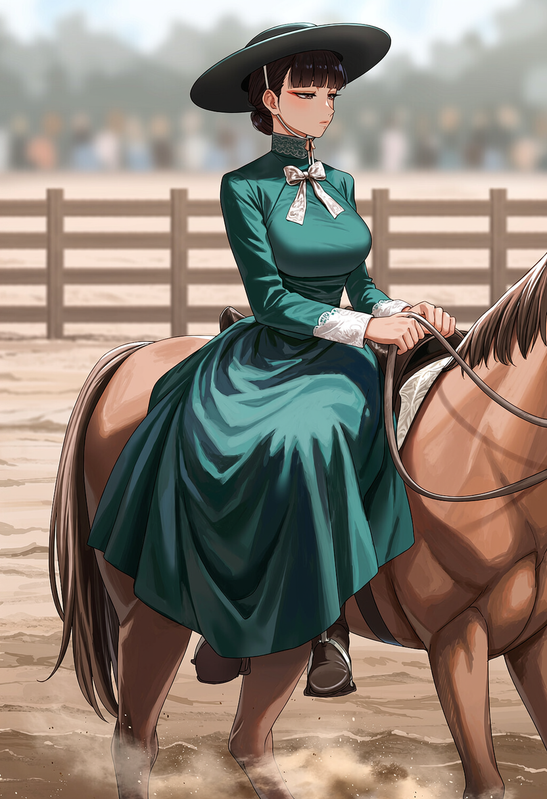
JALISCO — The escaramuza is ridden sideways and at a gallop: the only female discipline in charrería. Today, a small show in Guadalajara.
STATE OF MEXICO — The Mazahua wool coat took months to weave and served as a status symbol. Today, sonidero dance party in Neza.
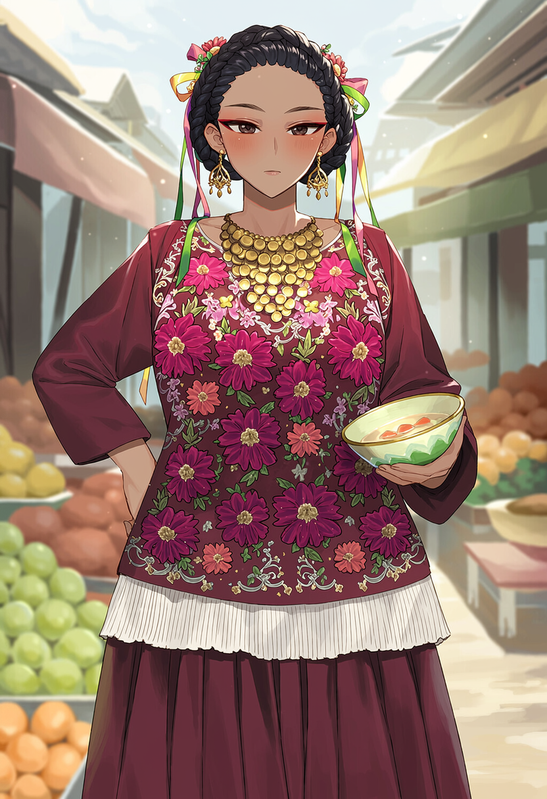
MICHOACÁN — The Purépecha skirt has so many pleats it goes all the way around the body. Today, concert guitars in Paracho.
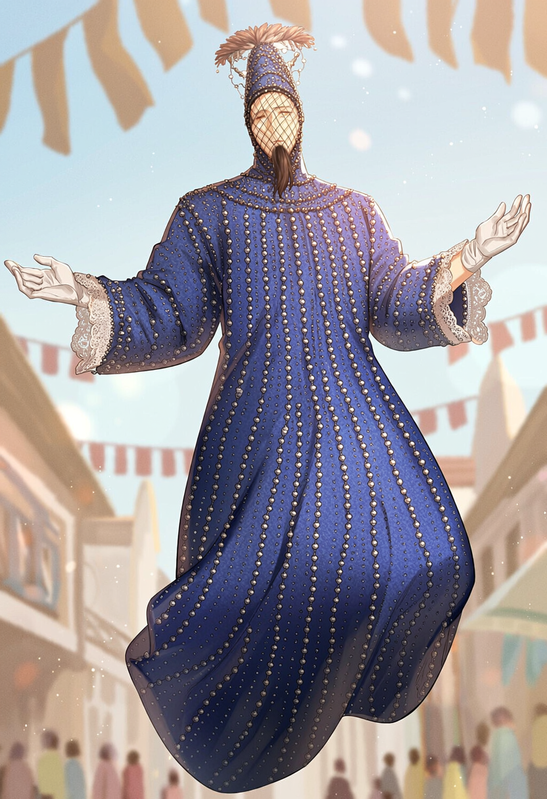
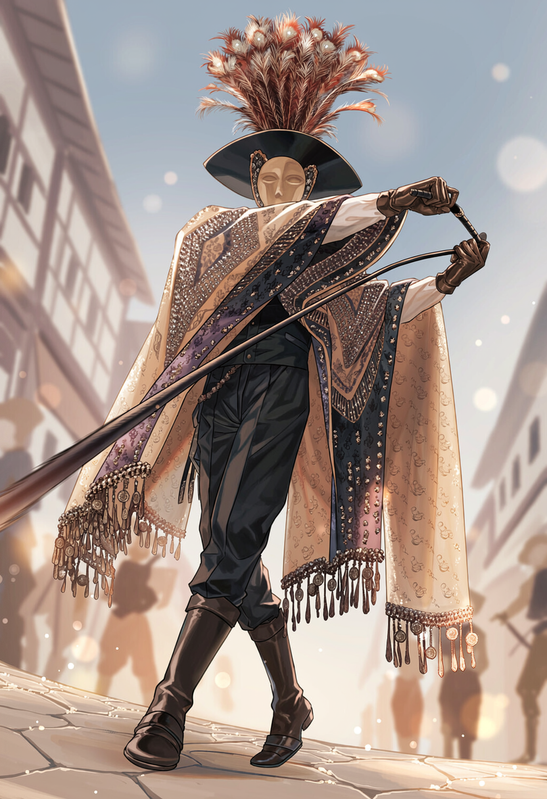
MORELOS — The chinelo was born as a mockery: masked servants imitating the landowners during carnival. Today, embroidered manta at the Tepoztlán market.
NAYARIT — Wixárika embroidery is geometric and for daily use: each figure has its own name. Today, tobacco cutting on the coast.
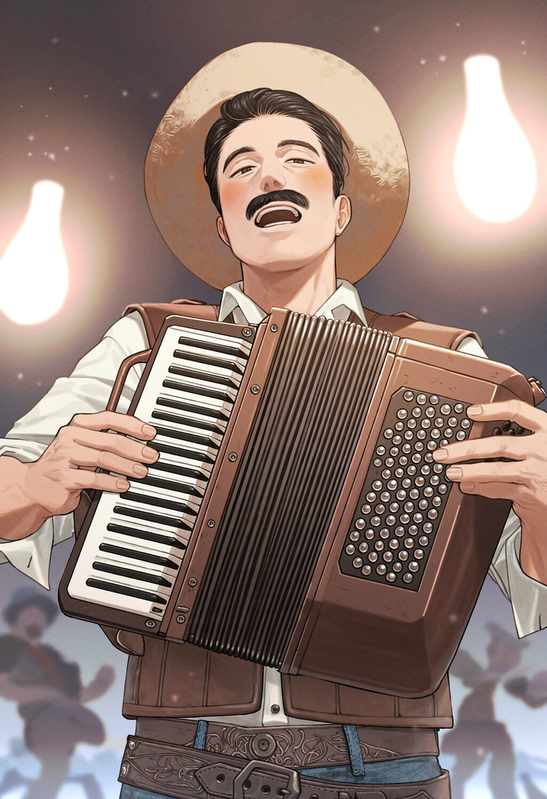
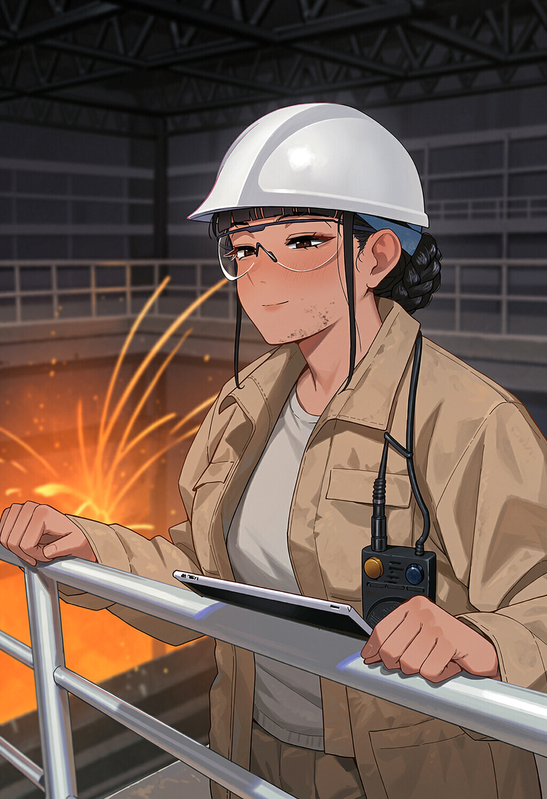
NUEVO LEÓN — The button accordion arrived with Central European migration and created norteño music. Today, a shift at the Monterrey steel mill.
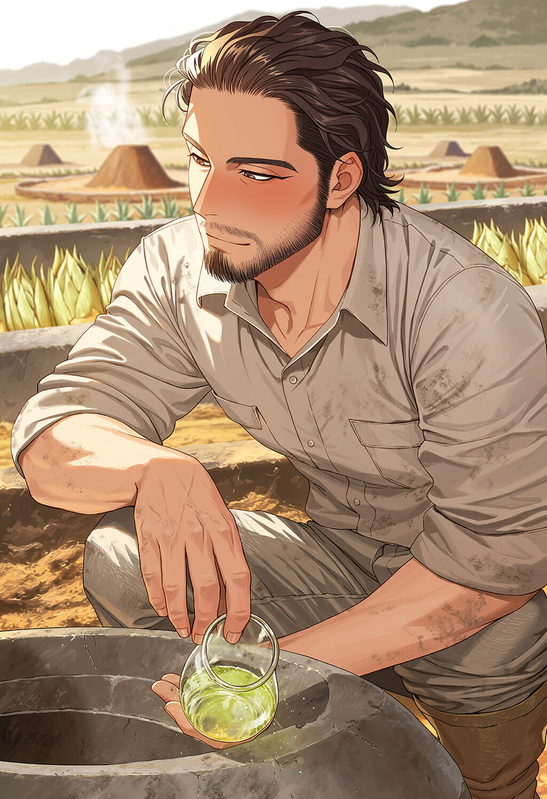
OAXACA — Isthmus velvet embroidery is a family heirloom: it is inherited and displayed. Today, artisanal mezcal in the valleys.
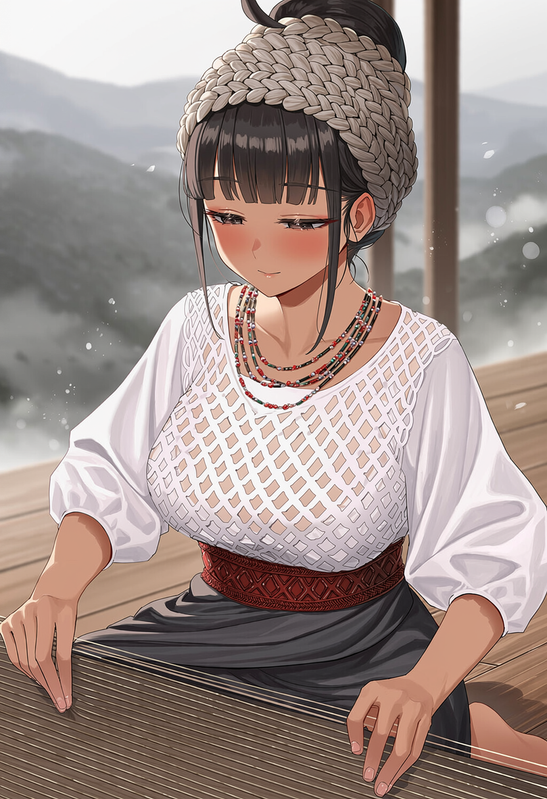
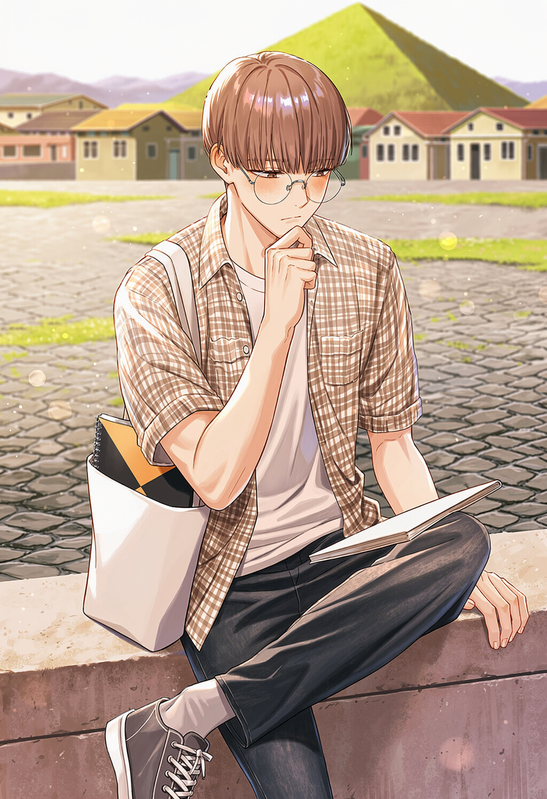
PUEBLA — In Cuetzalan, they call the quexquémitl a huipil, and its technique is gauze: white on white openwork. Today, a student in Cholula.
QUERÉTARO — The Amealco doll dresses like her maker: braids with ribbons and a pleated skirt. Today, fuselages at the aerospace plant.
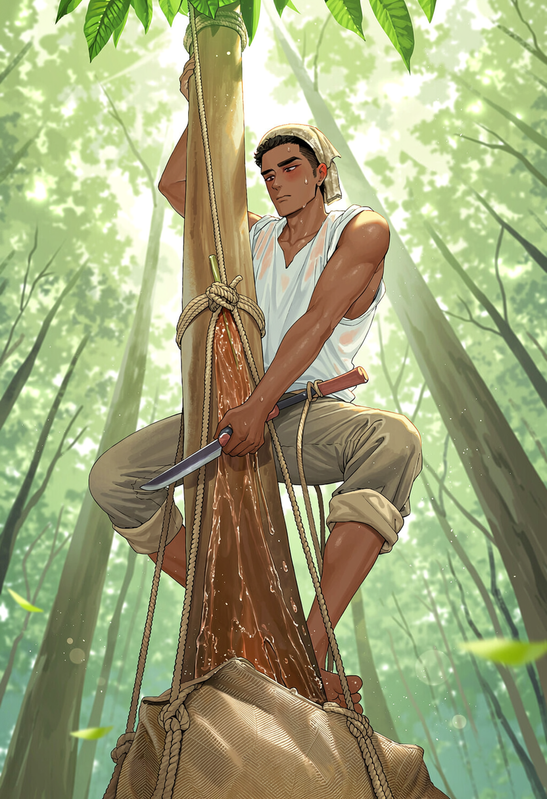
QUINTANA ROO — Chewing gum founded the state: chiclero camps turned into towns. Today, diving guide in a cenote.
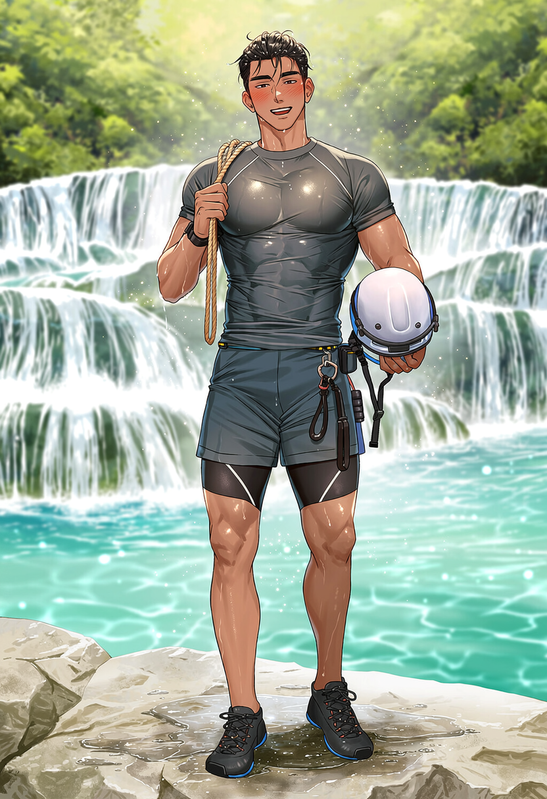
SAN LUIS POTOSÍ — A silk rebozo from Santa María del Río, well-woven, can pass through a ring. Today, rappelling at the Huasteca waterfalls.
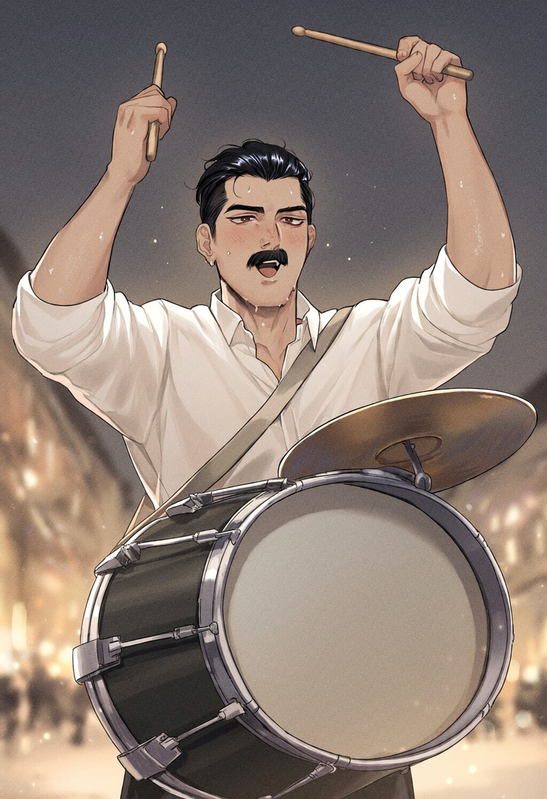
SINALOA — The Sinaloan banda is only brass and percussion: it was created to be played while walking in the street. Today, Mazatlán’s boardwalk in a pulmonía taxi.
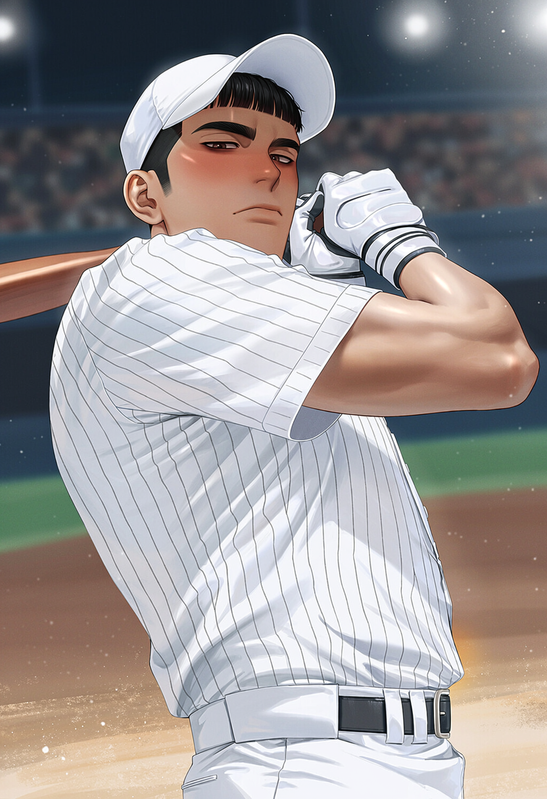
SONORA — The Comcáac suit takes its colors from the sea and the desert. Today, winter baseball league.
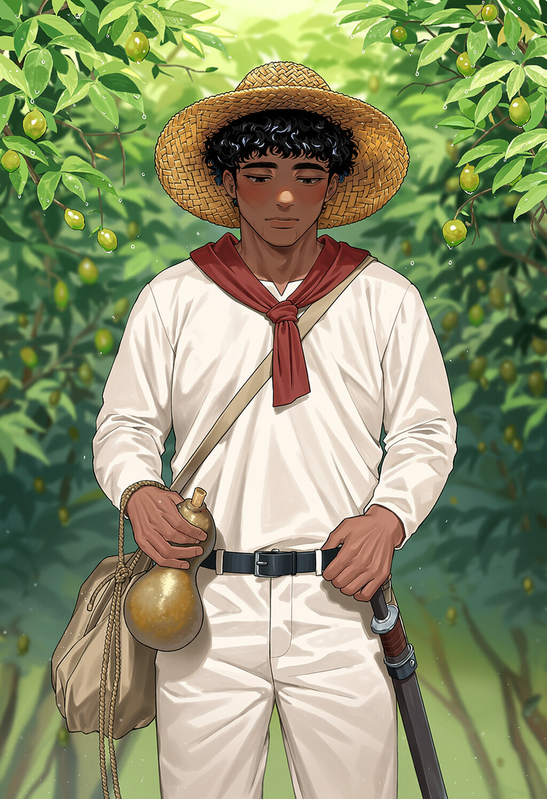
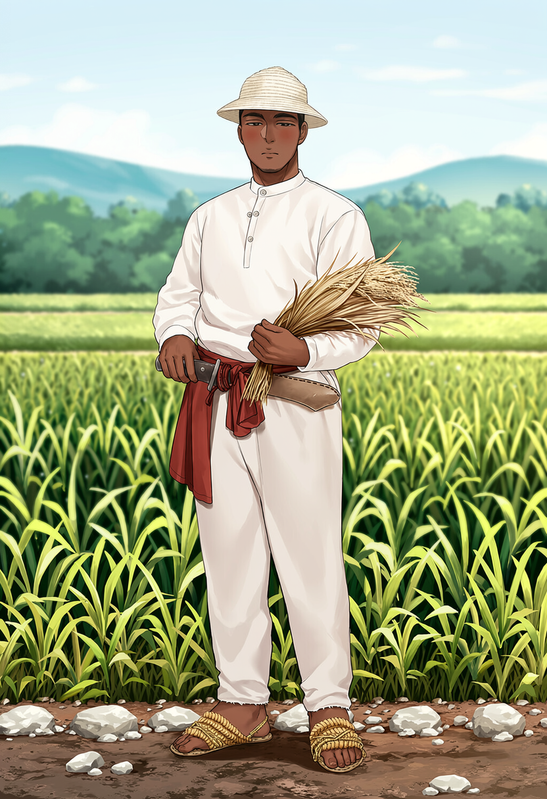
TABASCO — The Tabascan farmer carries the bush: a dried gourd filled with pozol for the workday. Today, drying cacao in Comalcalco.
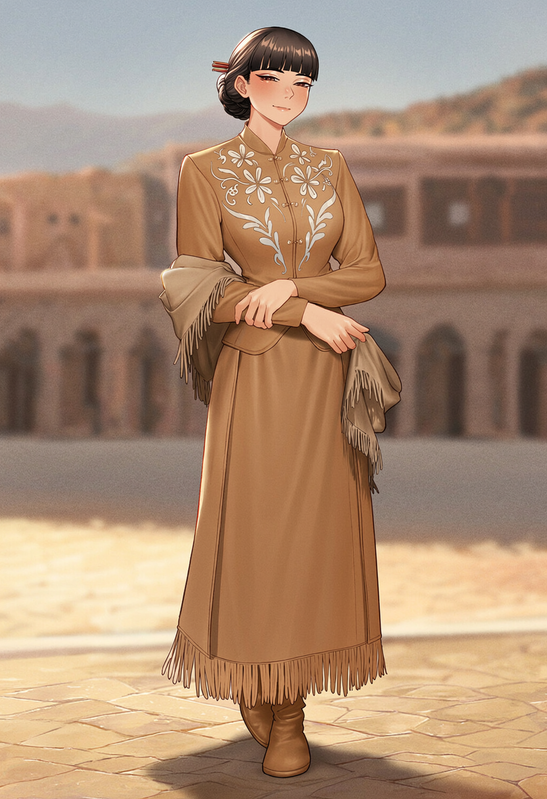
TAMAULIPAS — The cuera comes from the cowboy’s chaps; the fringes would shed water and break thorns. Today, night shift at the refinery.
TLAXCALA — In the carnival, the feathers are the clouds, the mirror is the sun, and the ribbons are the rivers. Today, wool weaving in Chiautempan.
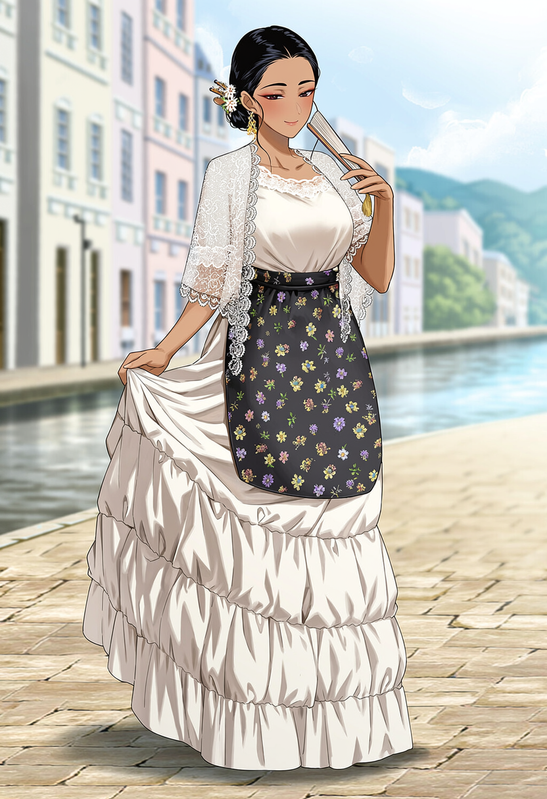
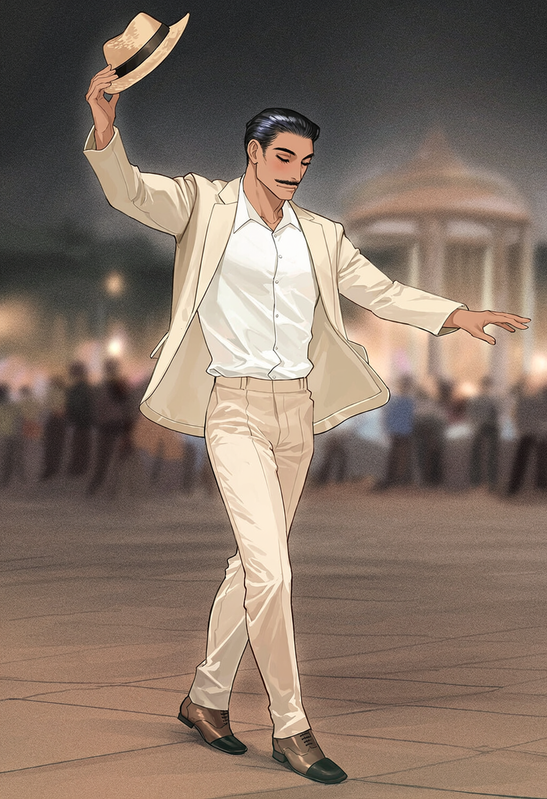
VERACRUZ — The jarocho suit is white with ruffles and a black apron, made for the heat of the river. Today, danzón in the port’s zócalo.
YUCATÁN — The white, buttoned-up-to-the-neck filipina is the direct predecessor of the guayabera. Today, cycling on Paseo de Montejo.
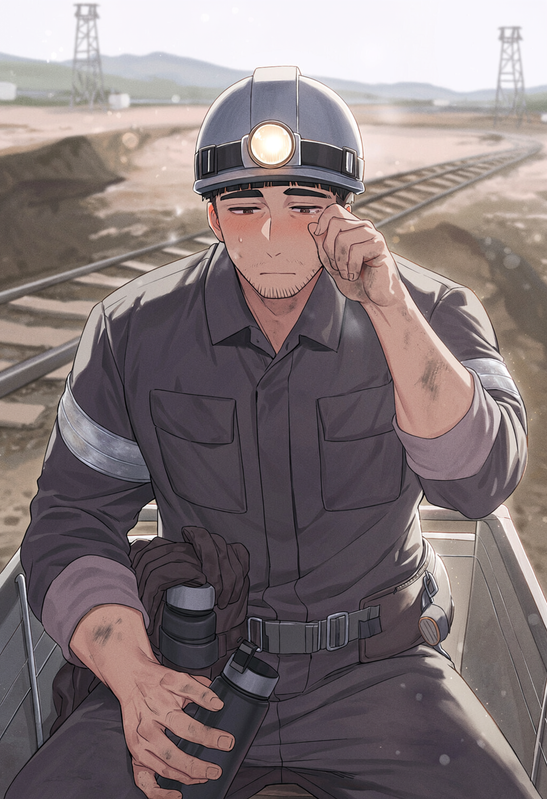
ZACATECAS — The Zacatecan "typical" suit was designed in 1951; the old one was a chincuete, sash, and rebozo. Today, relief leaving the mine.
This simulator takes place in a single state. The other thirty-one also exist, and each dresses differently—before and now.