#Original
Etruria: City of the Dead
[Explore × Puzzle] Through Italy’s ruins to the city below
22
388
62
Published at 2026-09-07 | Updated at 2026-09-13

☀ THE LIVING WORLD
Ciao, Italia!
From local flavors and city streets to history buried beneath the earth.
Travel beneath the sun first, then slowly venture into an older Italy.
Travel beneath the sun first, then slowly venture into an older Italy.
✦ Italy Travel NotesSlide ↔
Venezia Venice
Grand Canal · St. Mark's Square · Cicchetti · Carnival Masks · Murano Glass
Once the heart of a powerful maritime republic, Venice grew from its lagoon setting, shaped by waterways, craftsmanship, and maritime trade.
Firenze Florence
Cathedral of Santa Maria del Fiore · Uffizi Gallery · Bistecca · Ribollita
The Medici, thriving artisan workshops, and the Renaissance all left their mark on Florence. Its past remains visible in churches, markets, and historic streets.
Roma Rome
Colosseum · Pantheon · Carbonara · Espresso
One of Rome's most captivating qualities is how modern life unfolds directly over the ancient city. Piazzas, cafés, and imperial ruins are often only a few streets apart.
Pompei Pompeii
Ancient Streets · Frescoes · Ancient Graffiti · Mount Vesuvius
The volcanic ash preserved not only monumental structures but also shops, baths, houses, and wall graffiti, making everyday life in the ancient city tangible again.
Paestum Paestum
Doric Temples · Magna Graecia Culture · Tomb of the Diver · Buffalo Mozzarella
Paestum reminds travelers that ancient Italy was never simply Roman. Greek, Lucanian, and Roman communities all left their mark on this landscape across different periods.
Sicilia Sicily
Mount Etna · Arancini · Cannoli · Mediterranean Culture
At a Mediterranean crossroads, Sicily preserves layers of Greek, Roman, Arab, and Norman influence in its architecture, language, and cuisine.
Tarquinia Tarquinia
Painted Tombs · Etruscan Necropolis · Banquet Frescoes · Funerary Art
Modern travelers can approach the Etruscan world through its necropolis and museums. The painted tombs, depicting banquets, dances, and rituals, are a crucial gateway to understanding Etruscan culture.
Cerveteri Cerveteri
Banditaccia Necropolis · Tumuli · House-like Tombs · Etruscan Burial
The vast necropolis is laid out with streets and tumuli, with some tombs designed to resemble domestic interiors, allowing archaeologists to infer the lives of the living from the dwellings of the dead.
Volterra Volterra
Etruscan Walls · Porta all'Arco · Alabaster Craftsmanship · Archaeological Museum
This Tuscan hill town preserves Etruscan walls, ancient gates, and numerous artifacts. Modern streets still overlap with traces of the ancient city across the same hilltop settlement.
Chiusi Chiusi
Underground Tombs · Sarcophagi · Anthropomorphic Urns · Underground Passages
The ancient Chiusium was an important Etruscan city. Its tombs, funerary urns, and underground spaces make it especially rich for archaeological investigation.

☾ THE DEAD WORLD
Etruria
The Etruscans furnished their tombs with objects, images, and spaces drawn from life. Within these cities of the dead, traces of houses, banquets, gods, rituals, and beliefs still reveal how they understood the world.
✦ Fragments of Etruscan LifeSlide ↔
Etruscan Gods DIVINE WORLD
Tinia · Uni · Menrva · Divine Order
The Etruscan world was deeply shaped by religion. Gods such as Tinia, Uni, and Menrva governed different roles, while many traditions later influenced or were reinterpreted within Roman religion.
Reading Omens DIVINATION
Flocks of Birds · Lightning Strikes · Priests · Portents
The sky was not silent. The flight of birds, the direction of lightning, and other unusual signs were read as messages from the gods and interpreted by priests.
Bronze Mirror BRONZE MIRROR
Everyday Objects · Deities · Heroes · Engraved Backs
Bronze mirrors were more than grooming tools. Many were engraved on the reverse with scenes of gods, heroes, and myths, turning everyday objects into records of mythological imagery.
Bucchero Pottery BUCCHERO
Black Ware · Banquet Vessels · Craftsmanship · Status
Bucchero is a distinctive Etruscan black pottery, often with a metallic sheen. Cups, jugs, and vessels offer glimpses into banquet culture, craftsmanship, and social display.
Craftsmen & Distant Lands CRAFT & TRADE
Bronze · Goldwork · Greek Pottery · Mediterranean Exchange
The Etruscans were part of a wider Mediterranean network. Their metalwork, bronze objects, and imported goods reveal long-standing exchange with Greece and other regions, while local artisans adopted and reinterpreted foreign forms and imagery.
Those Who Left Their Names NAME & FAMILY
Inscriptions · Family · Female Names · Social Status
Inscriptions on tombs and artifacts preserve personal names and family relationships. Women's names appear frequently in surviving inscriptions, offering valuable glimpses into Etruscan identity, kinship, and society.
Creator's comments
Etruria · Journey Entrance
Play Guide
There is no single way to travel. Wander through Italy, taste local food, visit museums and old towns—or follow ruins, cemeteries, and strange traces toward a gate no map records.
STORY I
Road of Ruins
Across Italy, seek the lost gate
Modern Italy is your starting point. Travel freely, or follow the traces left by the Etruscans.
STORY II
LOCKED
Beyond the Tomb Gate
Etruria, City of the Dead
Only the right passcode opens the gate of eternal night. Enter Etruria, uncover the truth of the “Second Sunrise,” and discover why this land once remembered you.
CHOOSE YOUR JOURNEY
Wander Italy
Cities, streets, markets, cafés, museums, churches, coasts, and ruins can all become part of your journey. You can simply enjoy Italy’s regional culture and history without following the main story.
Seek Etruria
Old roads, cemetery boundaries, cracks in artifacts, and repeated songs may begin to point toward the same place.
SURFACE WORLD · KEY FIGURES
Three unknown faces are scattered across your journey. Their names are hidden, but each knows something different.
Swipe ↔ ›
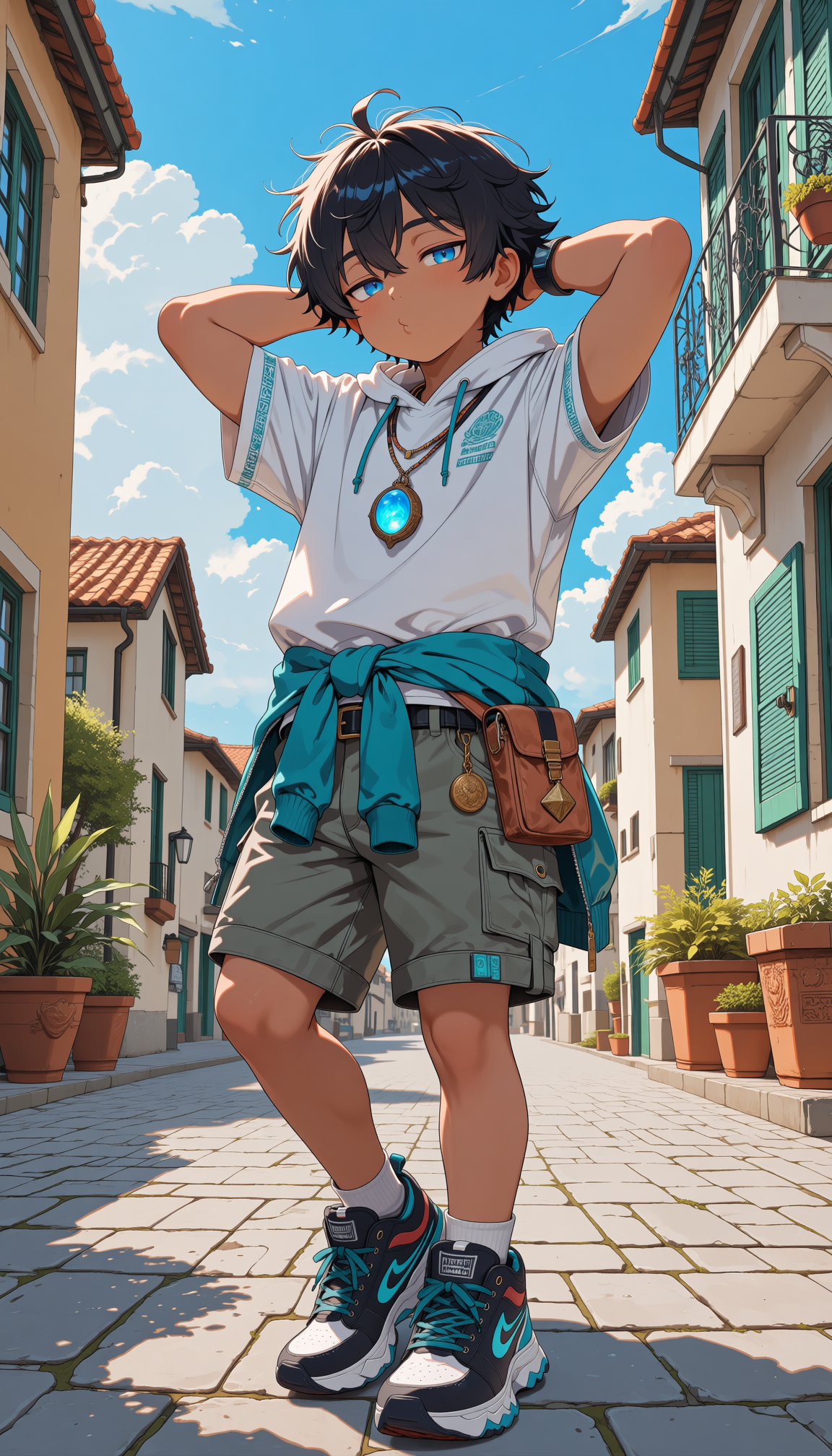
???
MAY APPEAR
Tarquinia area, especially cemetery edges, old roads, and places away from the main visitor routes.
HE MAY KNOW
Italian geography, old roads, archaeological sites, forgotten place names, and unusual boundaries.
Some roads never vanished. People simply stopped walking them.
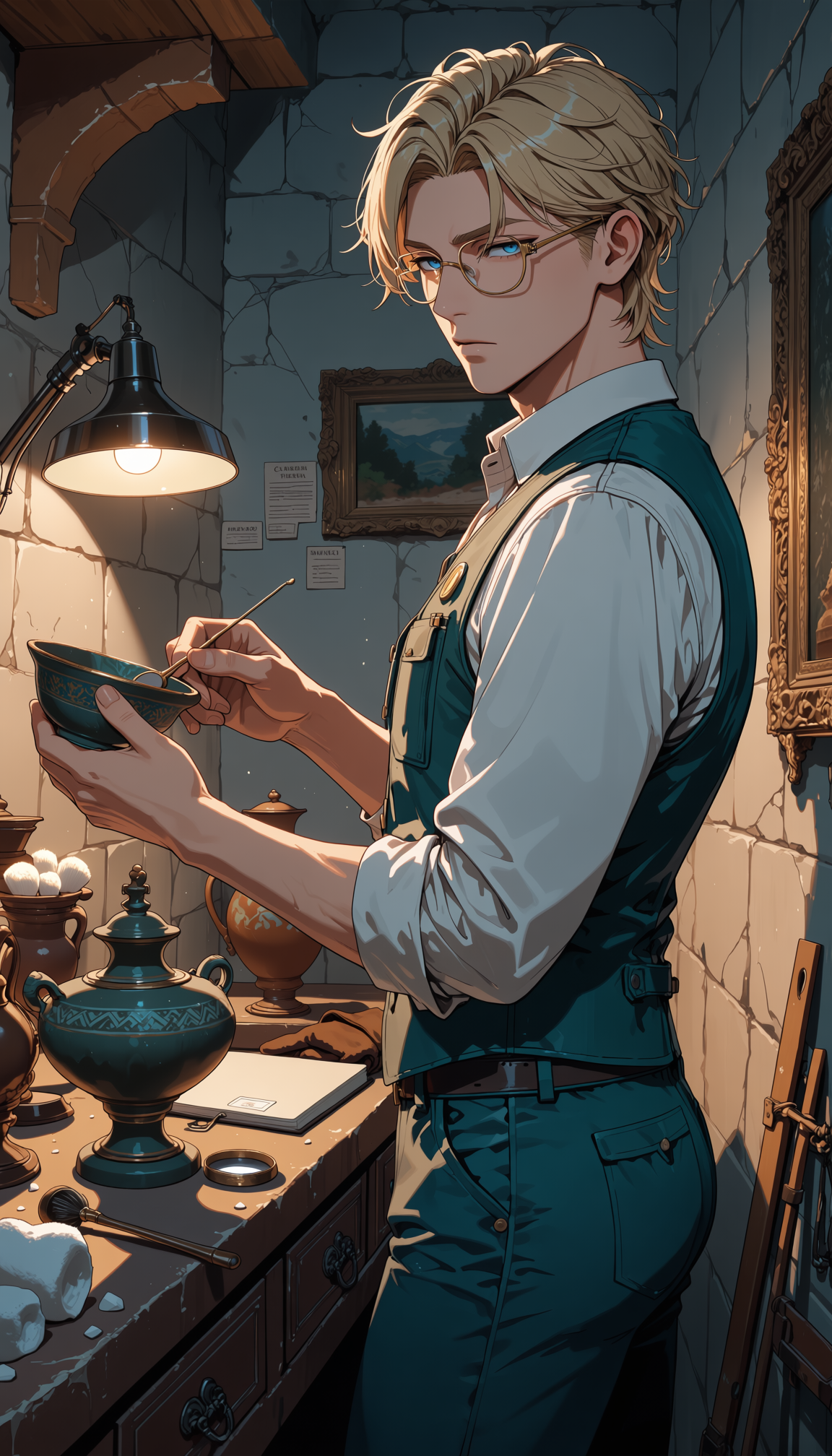
???
MAY APPEAR
Volterra museums, research spaces, conservation areas, or archaeological settings.
HE MAY KNOW
Materials, manufacture, restoration traces, chronology, inscriptions, and authenticity.
Cracks, corrosion, and repaired edges all leave evidence.
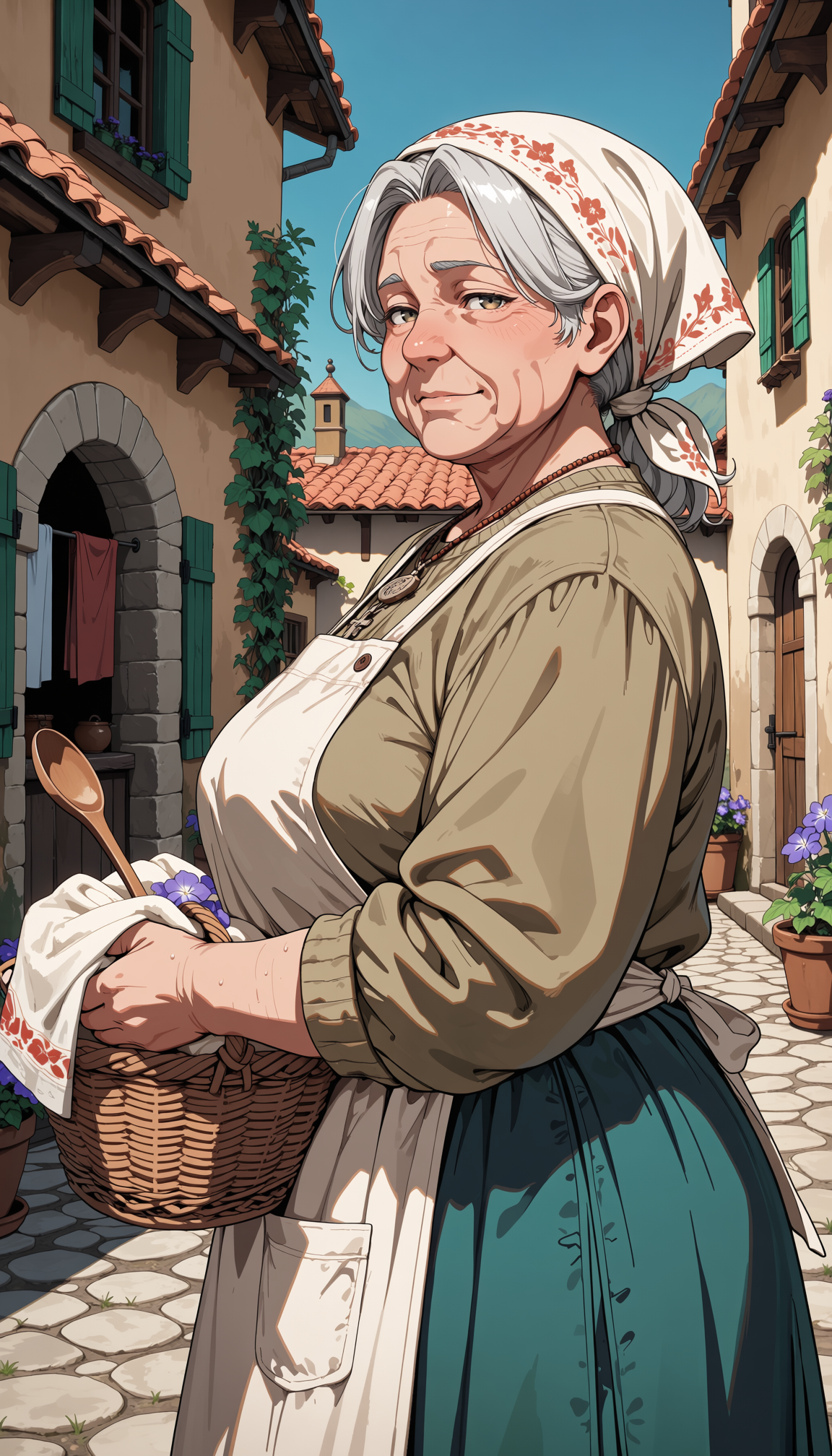
???
MAY APPEAR
Cerveteri streets, small squares, cafés, homes, or areas near the necropolis.
SHE MAY KNOW
Local legends, old place names, family memories, customs, songs, and rhymes passed down through generations.
Someone may forget the year, yet still remember a line their grandmother sang.
01SWIPE TO VIEW03
EXPLORATION COMMANDS
!map View map
!map other View other regions
!travel Travel
!probe Investigate
!ask @ Ask a character
!archive View archive
!ans Submit answer
!move Move deeper
!code Verify passage
You may chat, travel, eat, or simply explore Italy. Movement, investigation, character unlocks, and puzzle progress require the matching commands.
OTHER COMMANDS
!food Local food picks
!eat [dish] View dish info
!omen Etruscan omen
!food and !eat are available in both stories; !omen is available only after entering Etruria and is led by Larth Omens suggest possibilities and symbols, not certain predictions.
ARCHAEOLOGICAL RECORD · PASSAGE CHECK
To reach the road beyond the tomb gate, complete all four records.
Surface Contacts
KEY FIGURES 3 / 3
Site Investigation
Required Sites 2 / 2
Key Reasoning
Key Puzzles 3 / 3
Final Check
Clue Verification Complete
The final passage check unlocks once all four records are complete.
ALL FOUR CHECKS COMPLETE
Once every record is complete, use the final passage command.
!code
Let Nico verify your journey and issue the passcode for this investigation.
PASSCODE ACQUIRED
The passcode alone will not take you across. Bring it at night to the correct Etruscan cemetery or tomb boundary.
STORY II
Beyond the Tomb Gate
Etruria, City of the Dead
Beyond the Tomb Gate · CITY OF THE DEAD
AFTER ENTERING ETRURIA
In the first journey, tombs, frescoes, artifacts, and modern research only let you infer Etruscan life. Beyond the gate, you can finally meet those who belong to the world of the dead.
Modern people leave research and theories. Those beyond the gate remember the world they actually lived in.
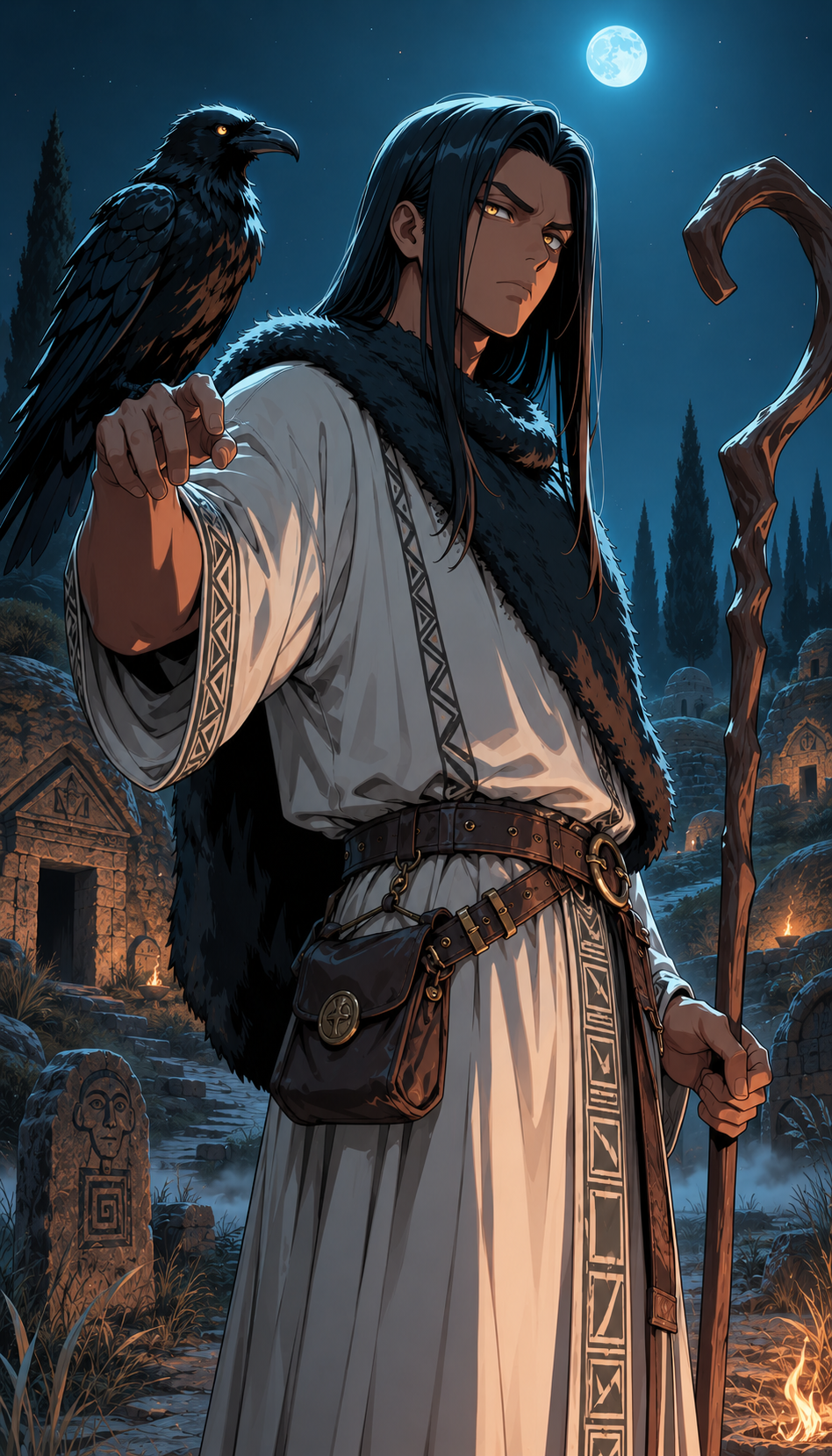
???
MAY APPEAR
Temples, ritual spaces, funerary areas, and places tied to omens.
GUIDANCE
Gods, rituals, bird omens, funerary rites, and sacred order.
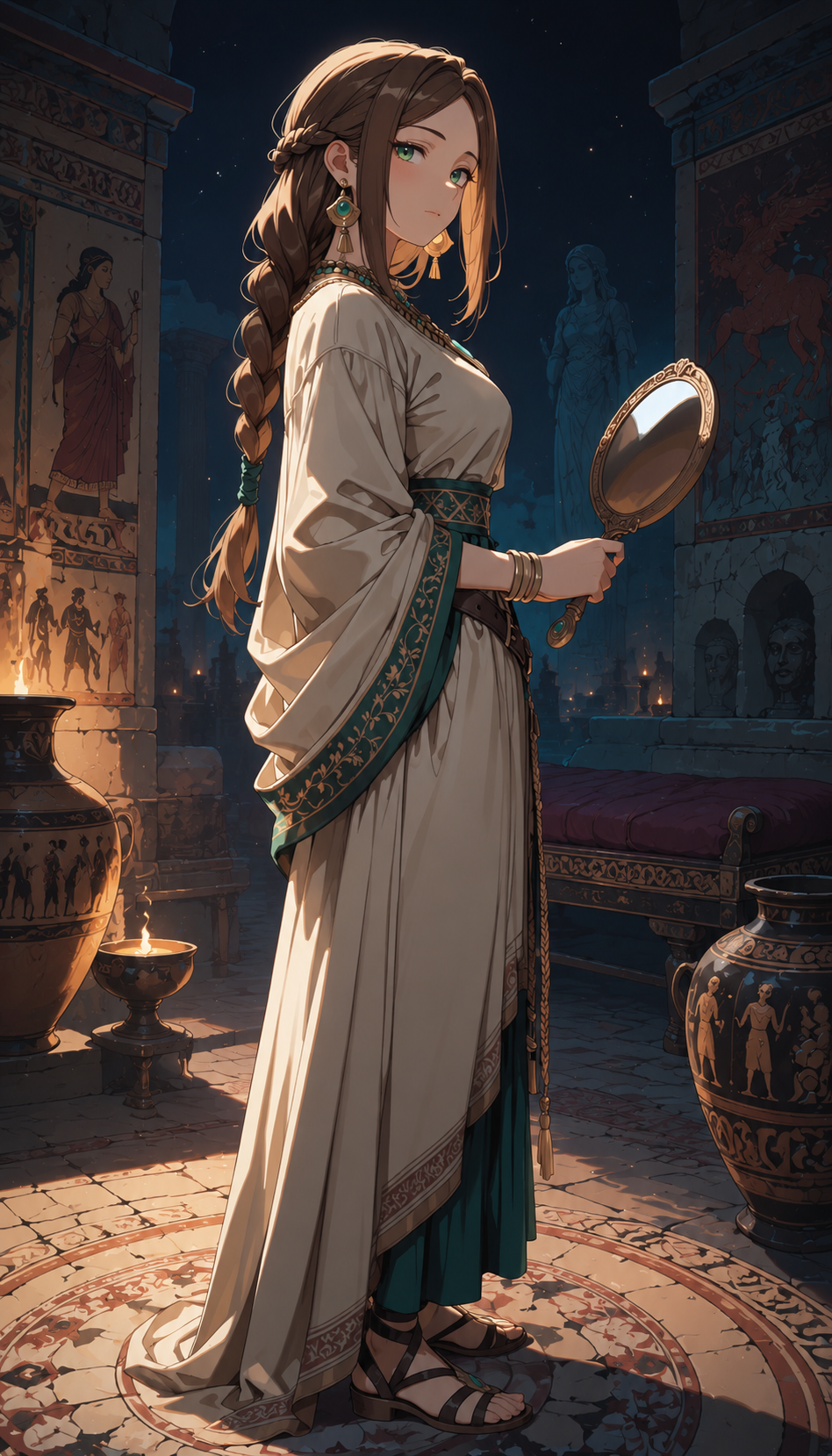
???
MAY APPEAR
Family tombs, banquet spaces, ancestral areas, and elite residences.
GUIDANCE
Family, marriage, clothing, jewelry, banquets, and burial identity.
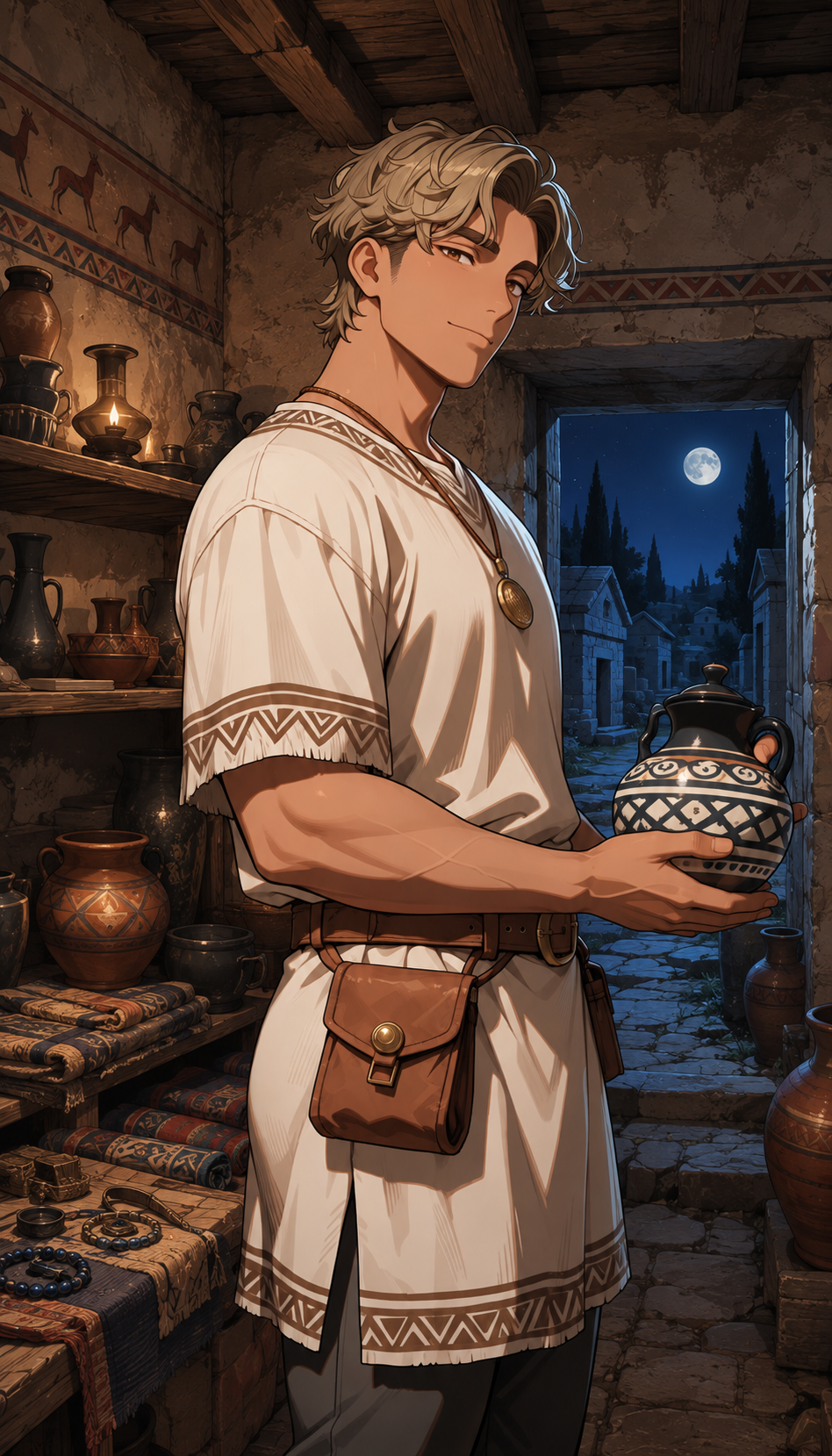
???
MAY APPEAR
Workshops, markets, trade quarters, storage spaces, and craft areas.
GUIDANCE
Pottery, bronze, tools, raw materials, craftsmanship, and trade origins.
← ← SWIPE TO VIEW → →
Altars, family tombs, workshops, and markets preserve different answers. The people here will not explain “history.” They will only tell you the part of the world they truly knew.
𐌀
THE TOMB GATE IS OPENING ···
Sometimes the answer is not at the next destination.
It lies in something you have already seen, but not yet understood again.
It lies in something you have already seen, but not yet understood again.
MODEL RECOMMEND
Recommended Models
STABILITY RECOMMENDATION
This game includes exploration, condition checks, passcode verification, and multi-stage progression, so strong comprehension and logical consistency are recommended.
TOP PICK
Gemini
More consistent at understanding context and maintaining long-term exploration, checks, and puzzle progress.
TOP PICK
Claude
Strong logical and textual comprehension, with reliable story pacing and progression.
Other models may struggle with logic checks, causing stalled progress, incorrect conditions, failed passcode verification, or otherBUGFor a more complete and stable experience, useGeminiorClaude
0 comments