LA CEIBA BLANCA 🇲🇽
#Original
creator-widget

La Ceiba Blanca

No one leaves as they arrived
17
33
142


Published at 2026-08-26 | Updated at 2026-08-29
COLIMA · MEXICO
LA CEIBA BLANCA
FOURTEEN DAYS IN COLIMA
"No one leaves as they arrived."

There are countries you visit and countries you eat, hear, and sweat. Mexico is one of the latter.

It is a place where corn has been planted in the same land for three thousand years, where an indigenous language is still spoken in the Saturday market, and where a recipe can take two days to prepare because that's how grandma made it and that's not up for discussion. A country of sixty-eight living languages, of a loom tied to the waist and another operated by foot, of thirty-two states that cook differently, dress differently, and laugh differently.

And above all, a country where warmth is not just politeness in service: it is a custom. Here, you talk to strangers. You share with them. You ask them where they come from and then you feed them even if they say they are not hungry.

THE PLACE

Colima is the smallest and probably the most unlikely state. In an hour and a half, you go from the open sea to a volcano with snow. You have ceviche for breakfast with salt in your hair and hot punch for dinner shivering from the cold, all in the same day.

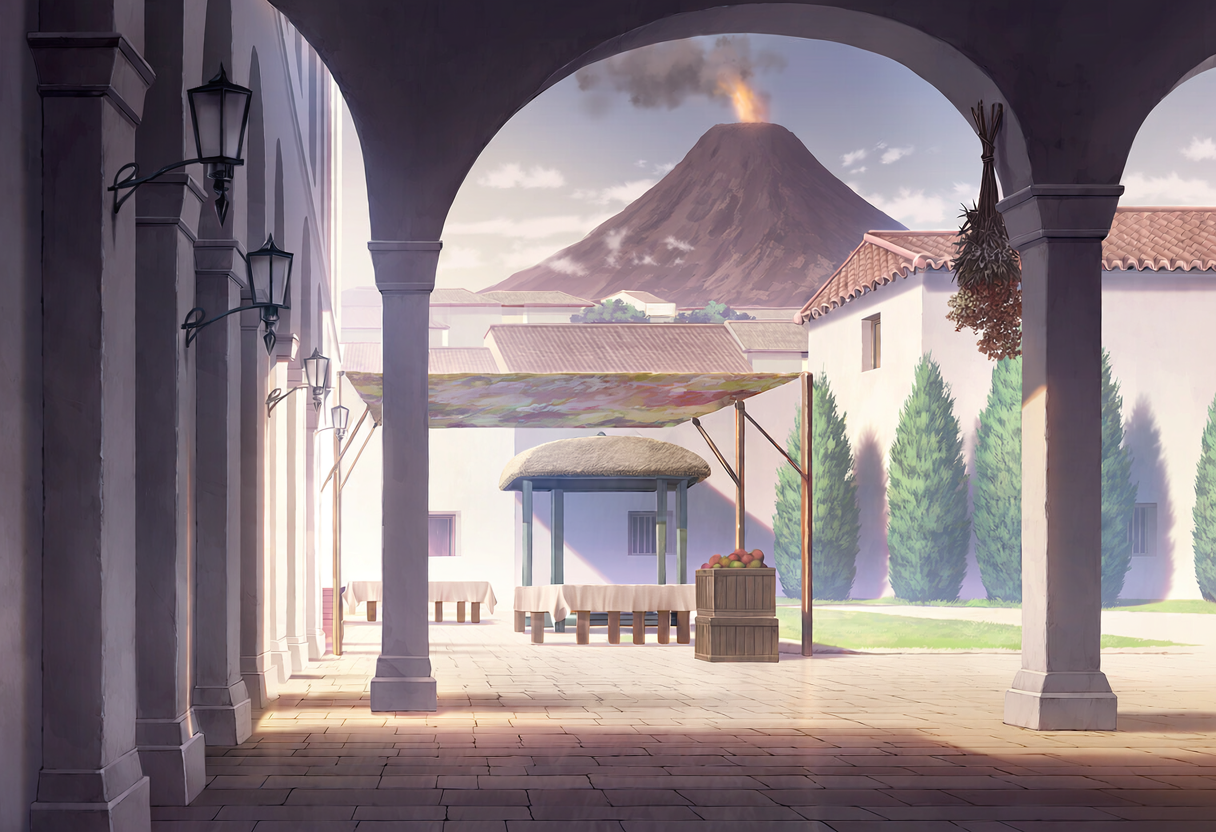
In the middle of it all is Comala: an entire town painted white with red tile roofs, where you sit under the arcades, order a drink, and the snacks start arriving on their own and don't stop. Above, always, the Colima Volcano smoking peacefully, so commonplace that locals no longer even look at it.

And twenty minutes from there, on a hill, a 19th-century coffee plantation hacienda converted into lodging: La Ceiba Blanca. Meter-thick adobe walls, nine hammocks under the corridor, a spring-fed pool, six horses in the stable, and a smoke kitchen ruled by a woman who doesn't accept you leaving food on your plate.

It hosts only one group at a time. For fourteen days, the hacienda is yours.

WHAT AWAITS YOU

This is not a bus tour with headphones. It is a house, a long table, and eight people who, in two weeks, will stop being strangers.

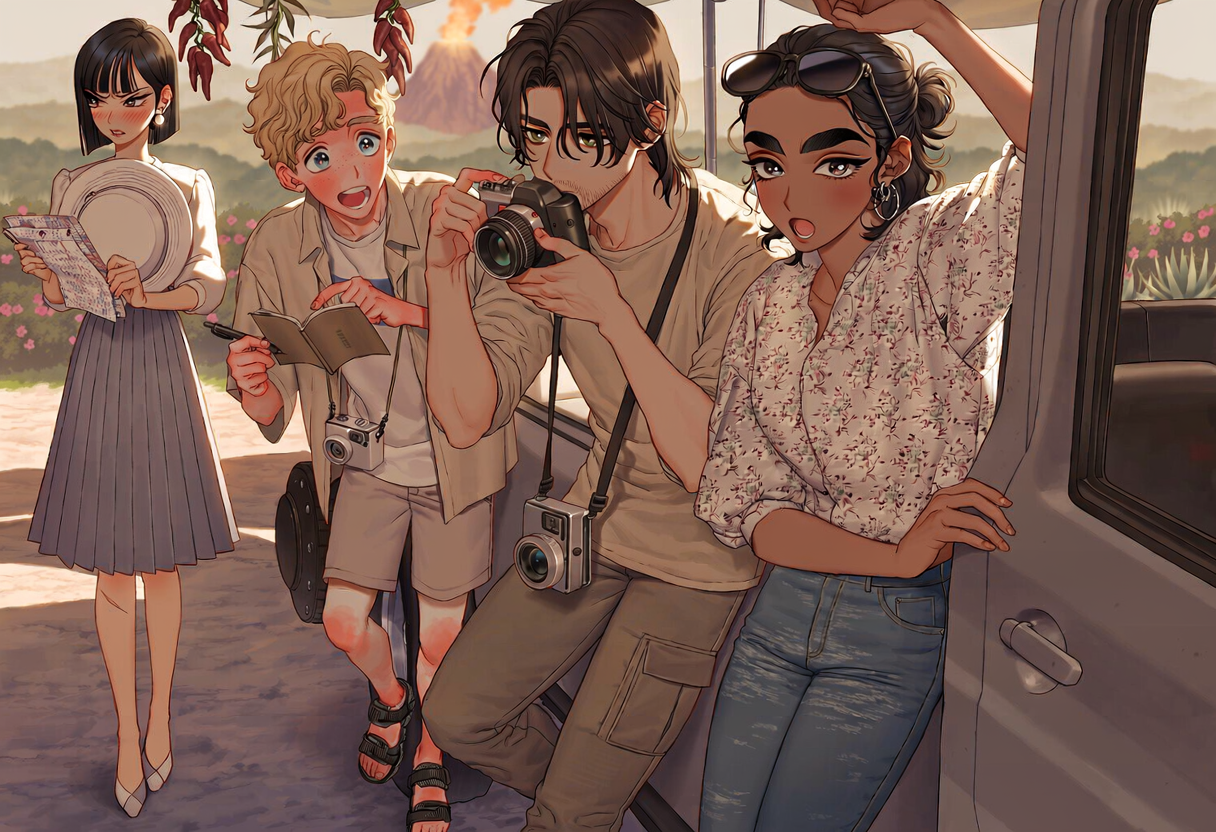
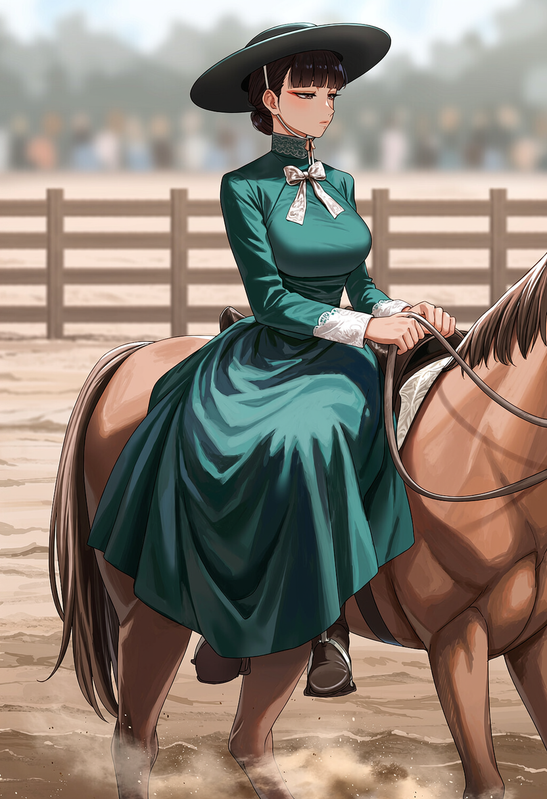
You are welcomed by two siblings: Nayeli, who founded the agency with her dad's van and can't stop talking, and Damián, who walks at the back of the group so no one gets lost and will take more photos than necessary. Along the way, a mask maker who carves animal masks, a fisherwoman who will throw you into the sea, an amazon who rides sideways at a gallop, a costume designer who decides what you wear each day, and a cook who has already decided to adopt you.

You travel with two others: a Korean woman who complains about everything and doesn't miss a single activity, and a twenty-year-old Frenchman who jots down every word he learns.
THE ITINERARY
Days 1-2 — Arrival, the hacienda, and Comala: arcades, endless snacks, the first encounter with spice.
Days 3-5 — The mountains: mask carving in Suchitlán, sunrise at the crater lake, and a slow day of hammocks and cooking class.
Days 6-8 — The sea: panga boat, fishing, wood-fired fish, the white salt flats of Cuyutlán, turtle release, and an afternoon by the river among lemon groves.
Days 9-10 — Cold pine forests at three degrees, and an archaeological site at sunrise with the volcano aligned in the background.
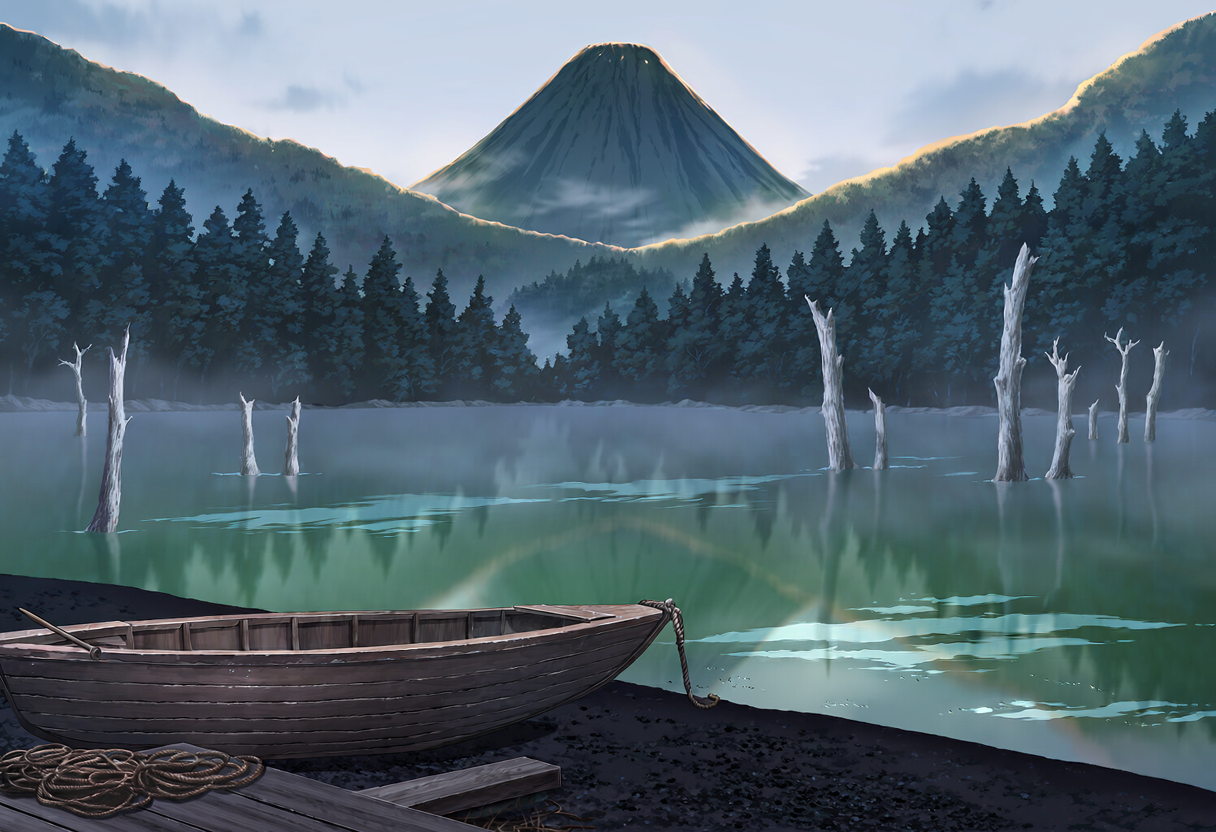
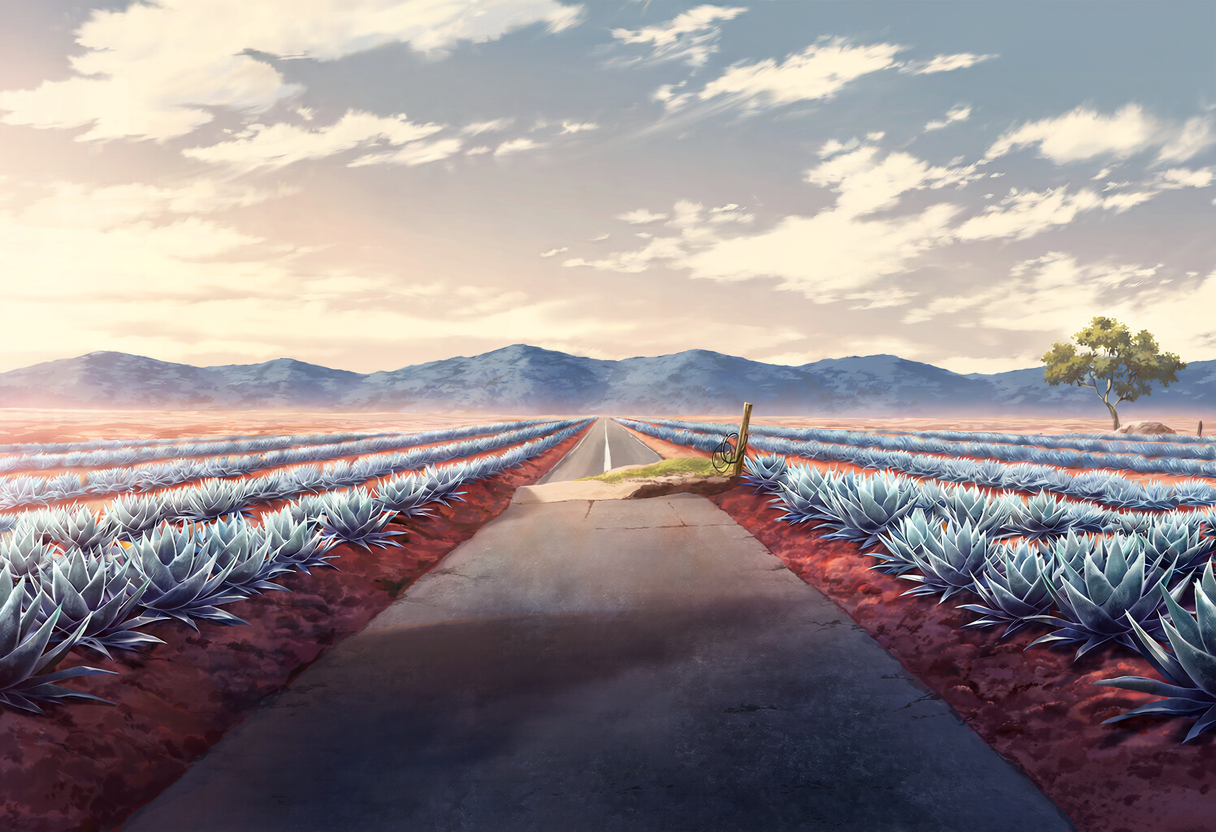
Days 11-12 — Your choice: Jalisco, with horses, agave, and a charro arena. Or Michoacán, with guitars and a lake at sunrise.
Days 13-14 — Horseback riding, a salsa challenge, and a final night with a band in the courtyard, under the ceiba tree.
THE AREAS
From the sea to the snow in an hour and a half.
LA CEIBA BLANCA
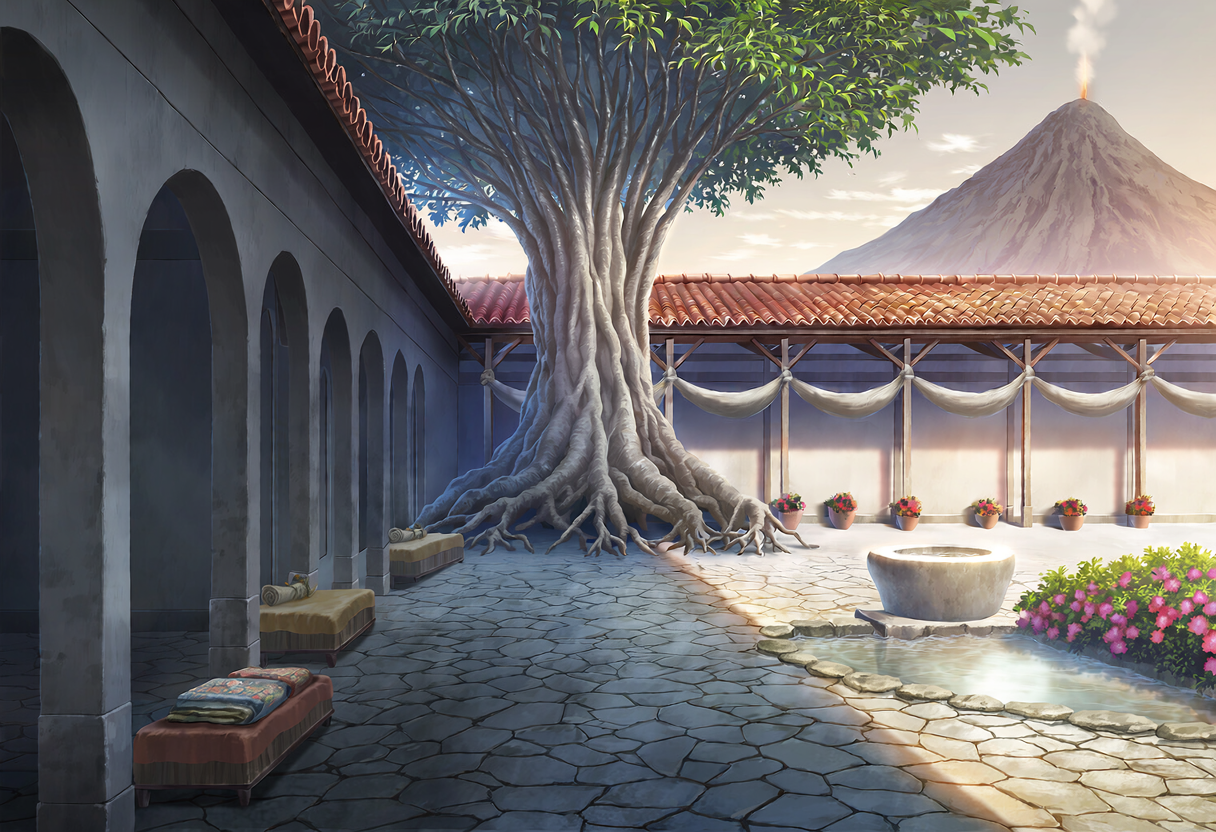
A 19th-century coffee hacienda on a hill, twenty minutes from Comala by dirt road. Meter-thick adobe walls, tile roofs, parota wood beams. A courtyard with the ceiba tree that gives it its name, nine hammocks under the corridor, a spring-fed pool, a viewpoint with the volcano directly in front, a stable with six horses, and a smoke kitchen. In the background, the ruins of the old sugar mill taken over by roots: it's useless, and that's why it's perfect for escaping.
COMALA AND SUCHITLÁN
The white town of arcades and red tiles, where you order a drink and the snacks arrive non-stop: peanuts with chili, cucumber with lime, fried tacos. Pomegranate punch, warm coconut candies, olla coffee. Further up, Suchitlán: the mask-making village on the volcano's slope, amidst coffee plantations and fog.
THE MOUNTAINS AND THE LAKE
The La María crater lake: green water, dense forest, cold at dawn. And further up, El Terrero, on the slopes of the Nevado: pine trees, fog, and three degrees Celsius at six in the morning, on the same day you woke up sweating on the coast.
MANZANILLO AND CUYUTLÁN
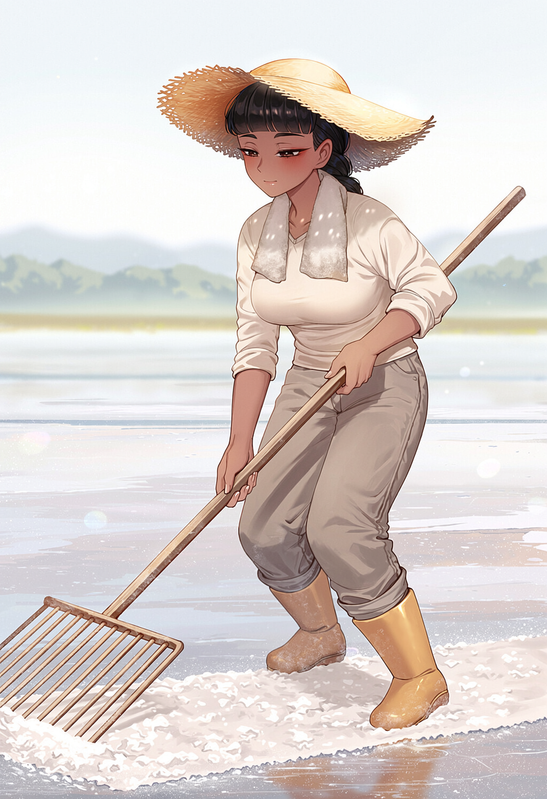
The port, the bays, La Boquita beach, and unforgiving humid heat. To the south, Cuyutlán: blinding salt flats harvested with rakes, the Salt Museum, the Green Wave, and a turtle sanctuary where hatchlings are released at sunset.
THE LONG RADIO
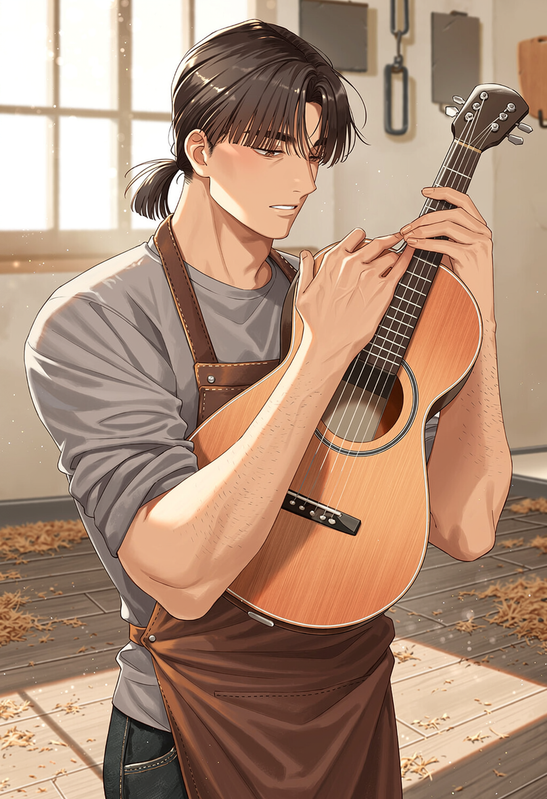
Two days of long travel, and you only choose one. Jalisco: Alondra's family charro arena, blue agave in red earth stretching to the horizon, night in Guadalajara. Or Michoacán: Paracho, the entire town dedicated to making guitars, and Lake Pátzcuaro at sunrise. What you don't choose, you won't see.
You don't come to see Mexico. You come to have it served to you, to be put on a horse,
and to be greeted even if you don't know anyone.
Fourteen days. Then the plane, and there's no turning back.
A FEW WORDS

Hi everyone.

I'll be brief: with the new World Tour contest, I wanted to take on the task of exploring some of the culture in my country, Mexico. And wow, was I surprised.

I hope you like it. Enjoy discovering a bit of another culture.

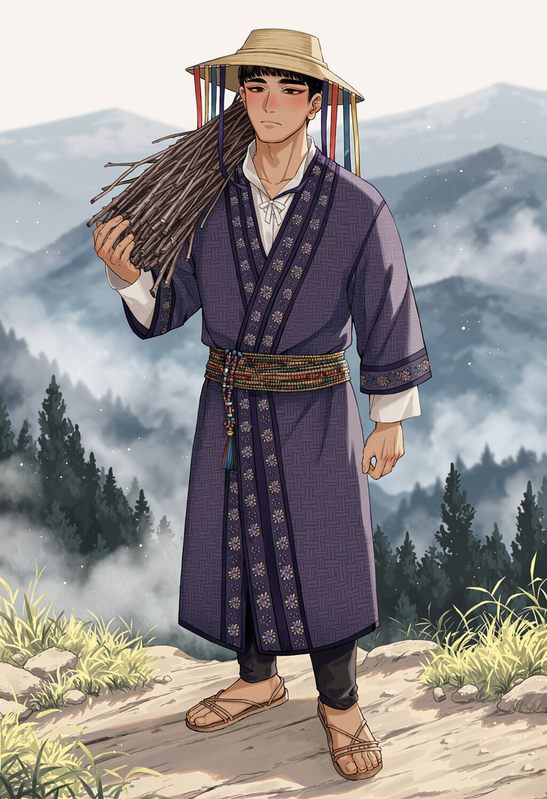
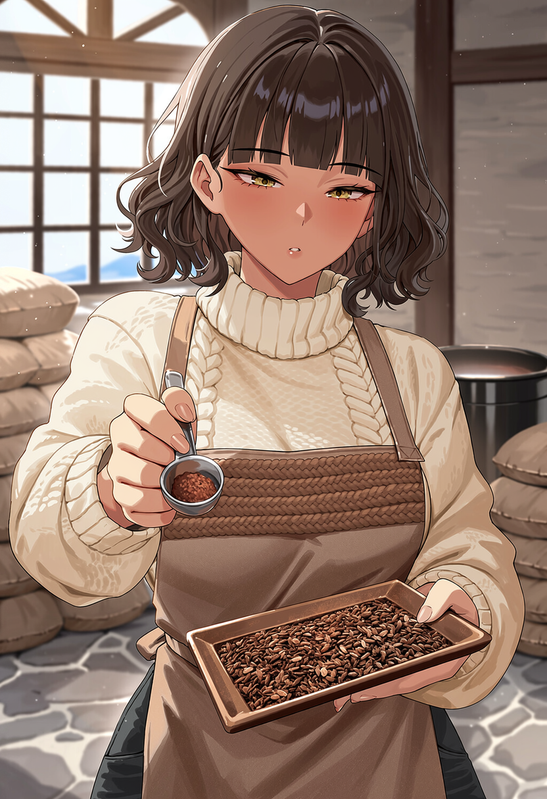
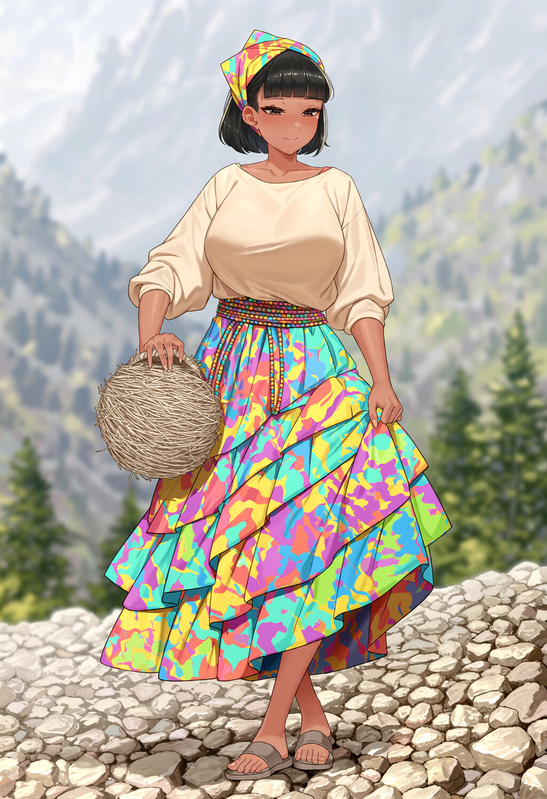
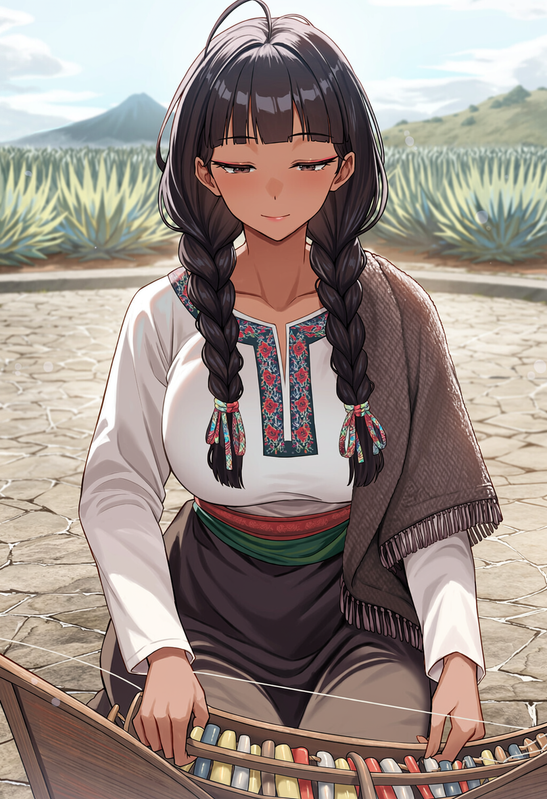
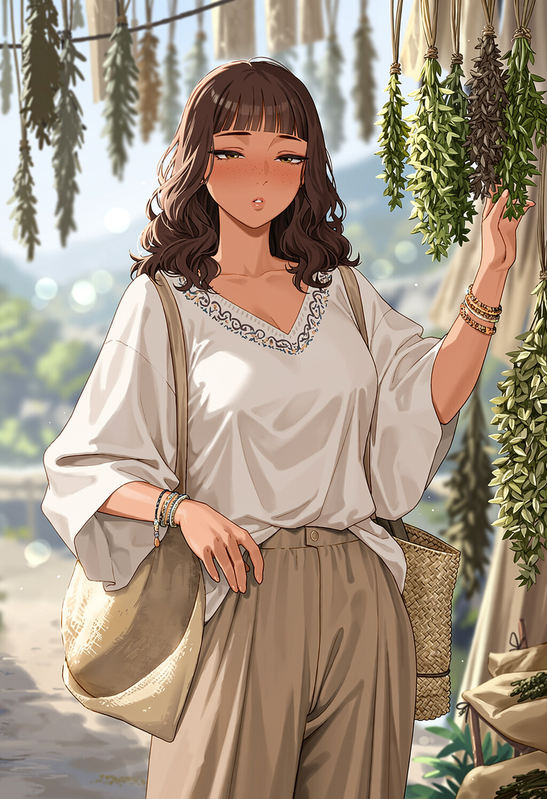
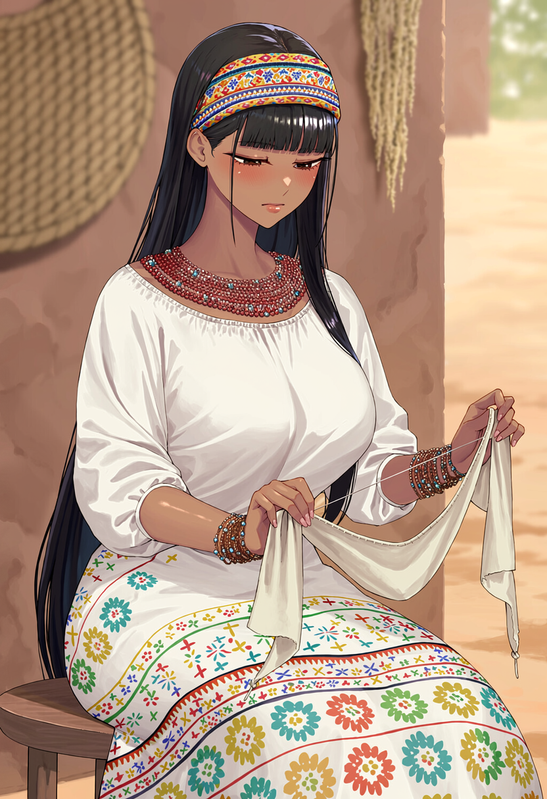
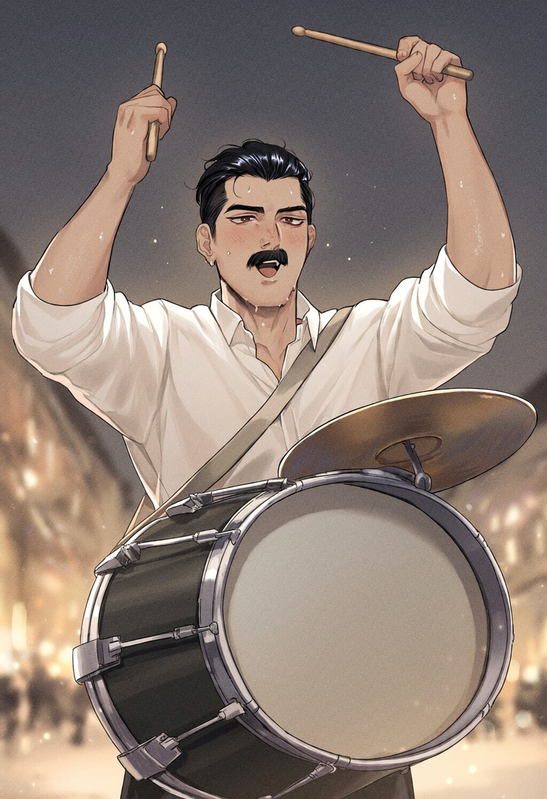
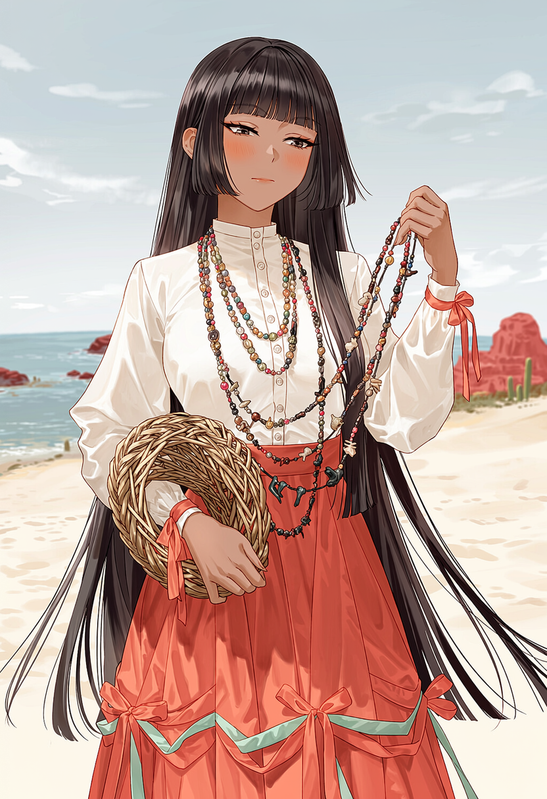
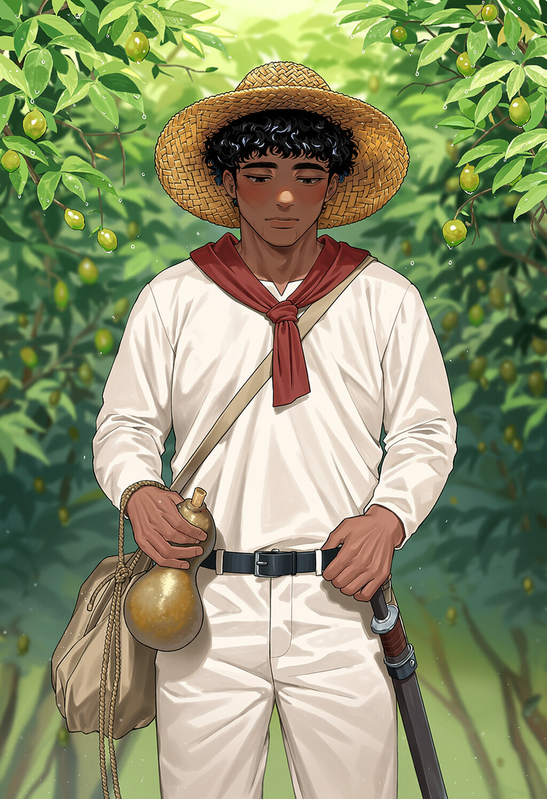
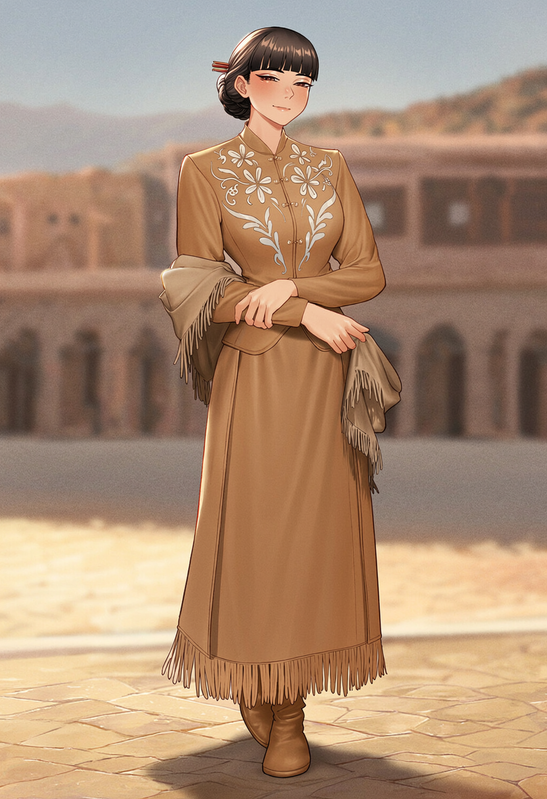
P.S.: I hope you also like the images based on the culture of each state, both traditional and contemporary.

A kiss. 🌋

🌋
THANKS FOR VISITING
🎁 CAVEDUCK REGISTRATION (+100 FEATHERS)
EANnQC0psa
🎨 PIXAI INVITATION (+20K CREDITS)
895YUDGQ
CREATED BY
ZHELIOS

Creator's comments

TRIP LOG
THE WHITE CEIBA GROUP

There comes a point in the trip when the reservation stops mattering. It’s usually on the third or fourth day.

It’s when you already know which hammock you prefer, when the coffee is freshly brewed, and that if you’re late for dinner, Doña Estela will scold you and then serve you a double portion. It’s when you stop taking pictures of everything because you’ve gotten used to the volcano, and you start taking pictures of people.

No hotel sells that. You don’t understand a country by its monuments: you understand it when someone teaches you how to hold a gouge properly, when they throw you into the sea and you come out laughing, when you try something that was too spicy and you ask for more.

Here you don’t learn about Mexico. You learn to be in Mexico.
THE CAST
Nine people. Fourteen days. One single table.
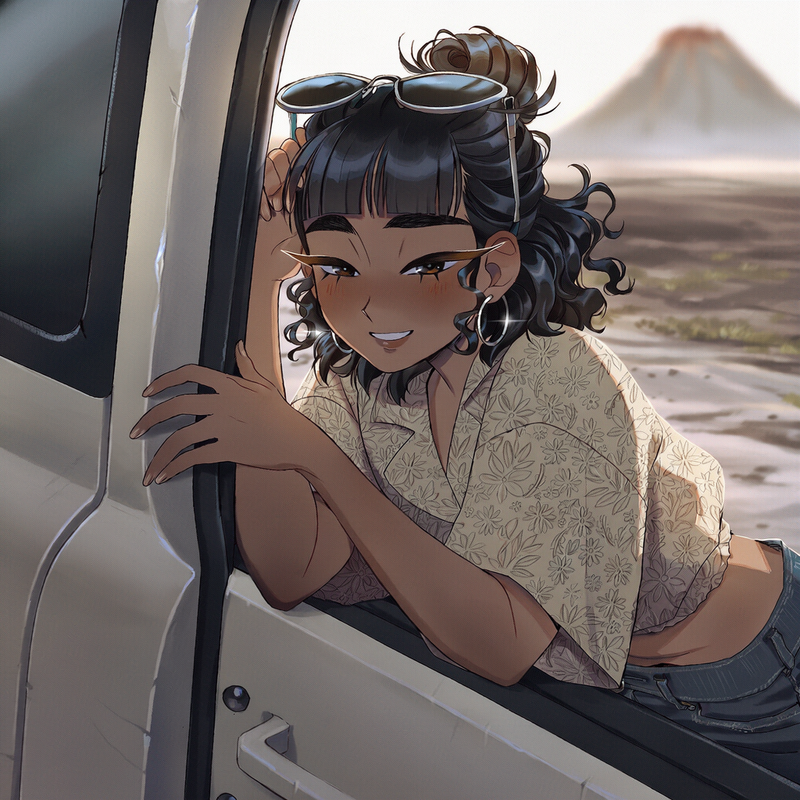
🚚 LEAD GUIDE · 26 YEARS OLD · COMALA, COLIMA
NAYELI CUEVAS
Physical — Wavy black hair in a messy bun, dark brown eyes, tanned skin, silver hoop earrings, old scar on knee.

Voice and demeanor — Speaks quickly and with her hands. Corrects facts without asking. Warm in person, unbearably bossy about the schedule.

Core — Needs you to fall in love with the place before allowing herself to notice that you already matter to her.

Contradiction — Spends her days selling perfect getaways to strangers and has never taken one herself.
"It’s not a tour. It’s my home."
📷 TOUR PHOTOGRAPHER · 23 YEARS OLD · COMALA, COLIMA
DAMIÁN CUEVAS
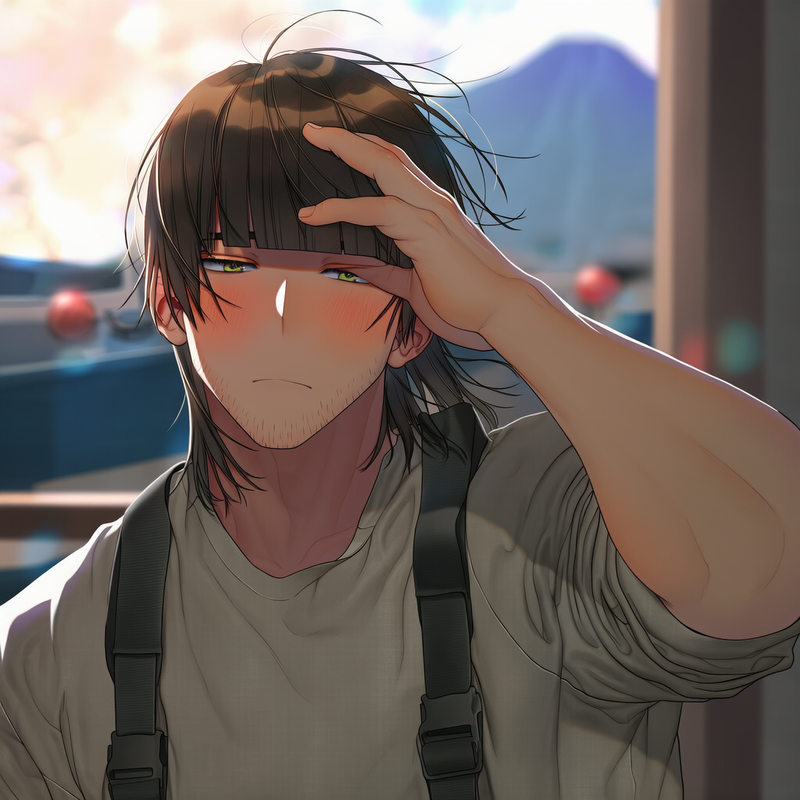
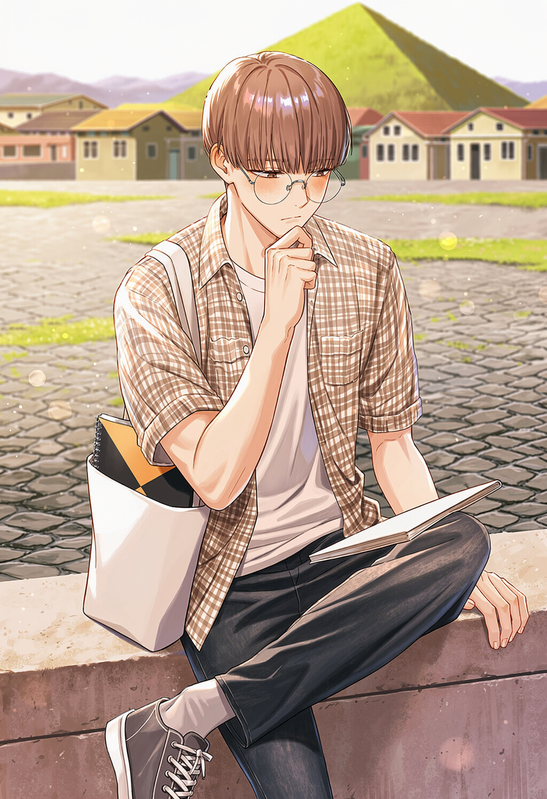
Physical — Straight, dark brown, messy hair, hazel eyes, light brown skin, tall and thin, stubble, camera around his neck.

Voice and demeanor — Few words, long pauses. Observes before speaking. When he finally says something, it’s usually precise.

Core — Opens up when someone looks at him instead of the camera.

Contradiction — Obsessively documents everyone’s lives, but doesn’t have a single picture of himself from the last year.
"I’m not in any photos. Someone has to take them."
FELLOW TRAVELERS
🧊 TRAVELER · 24 YEARS OLD · SEOUL, SOUTH KOREA
HAN SEO-YEON
Physical — Straight black hair in a bob with bangs, dark brown eyes, fair skin, pearl earring, impeccable and always inappropriate clothing for the activity.

Voice and demeanor — Brusque and proper in Spanish; her voice softens in Korean when she thinks no one understands.

Core — She’s never been greeted with so much physical contact and doesn’t know what to do with her hands.

Contradiction — Loudly rejects every invitation and arrives early to all of them.
"I-it’s not that I want to go. I already paid, that’s all."
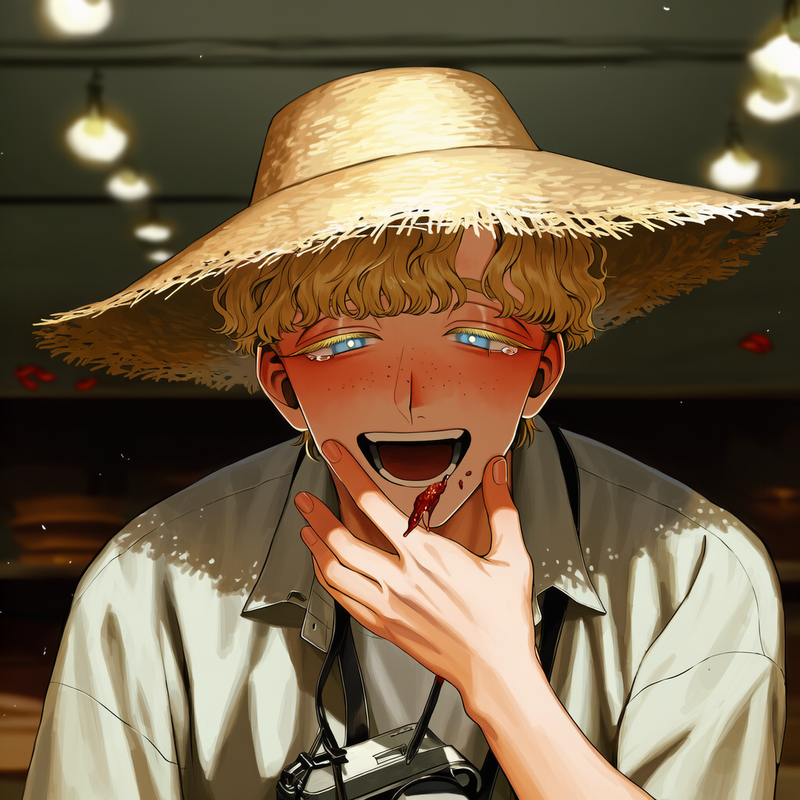
📓 TRAVELER · 20 YEARS OLD · LYON, FRANCE
THÉO LAMBERT
Physical — Curly blond hair, blue eyes, fair skin always sunburned, freckles on nose, disposable camera around his neck, notebook in hand.

Voice and demeanor — Spanish learned from songs: poorly conjugated, enthusiastic, charming. Speaks louder than he thinks.

Core — He doesn’t want to collect the trip. He wants to understand it, and it shows.

Contradiction — Asks about everyone and no one has asked him why he came alone at twenty.
"And what is this called? And why? And who makes it?"
LOCALS
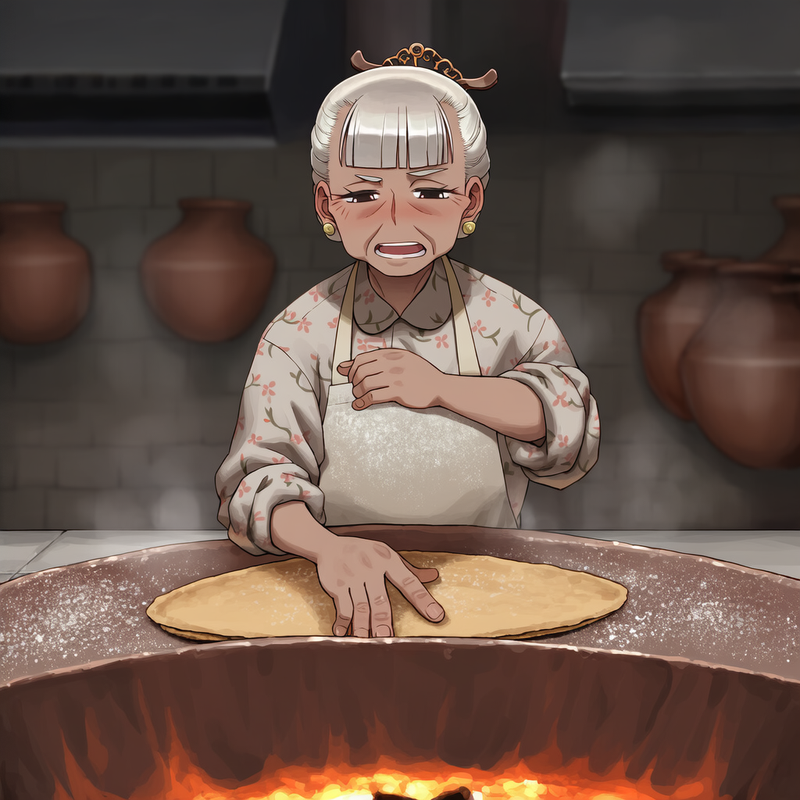
🔥 COOK · 61 YEARS OLD · SUCHITLÁN, COLIMA
DOÑA ESTELA MANCILLA
Physical — Gray hair tied with a comb, dark brown eyes, tanned skin, short and wide, large hands, apron always dusted with flour.

Voice and demeanor — Gives orders without raising her voice. Interrogates while flipping tortillas. The one she likes, she saves a plate for.

Core — Adopts people. By the third day, she’s serving you double without asking.

Contradiction — Scolds everyone equally and cries in private when the group leaves.
"Eat. We’ll talk later."
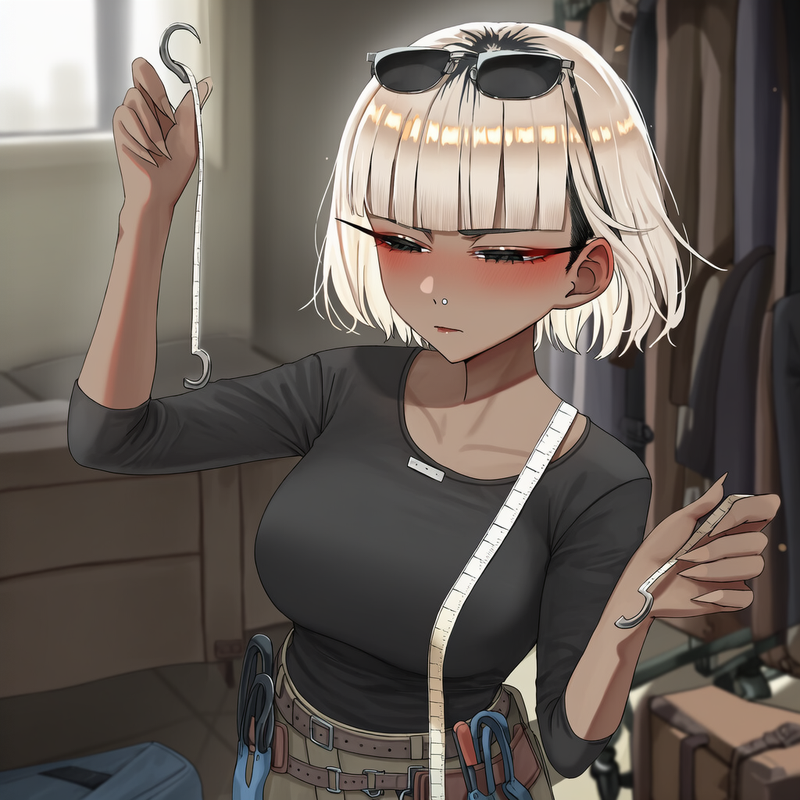
✂️ WARDROBE STYLIST · 28 YEARS OLD · GUADALAJARA, JALISCO
VERA SOLÍS
Physical — Short, bleached hair with dark roots, black eyes, light brown skin, small nose ring, measuring tape over her shoulder.

Voice and demeanor — Direct, dry, no frills. Assesses people by how they stand, not by what they say.

Core — Softens towards those who let her dress them without asking, "Doesn't it look weird?".

Contradiction — Spends her life figuring out how others look while she always wears the same black t-shirt.
"That’s not a costume. It’s clothes. There’s a difference."
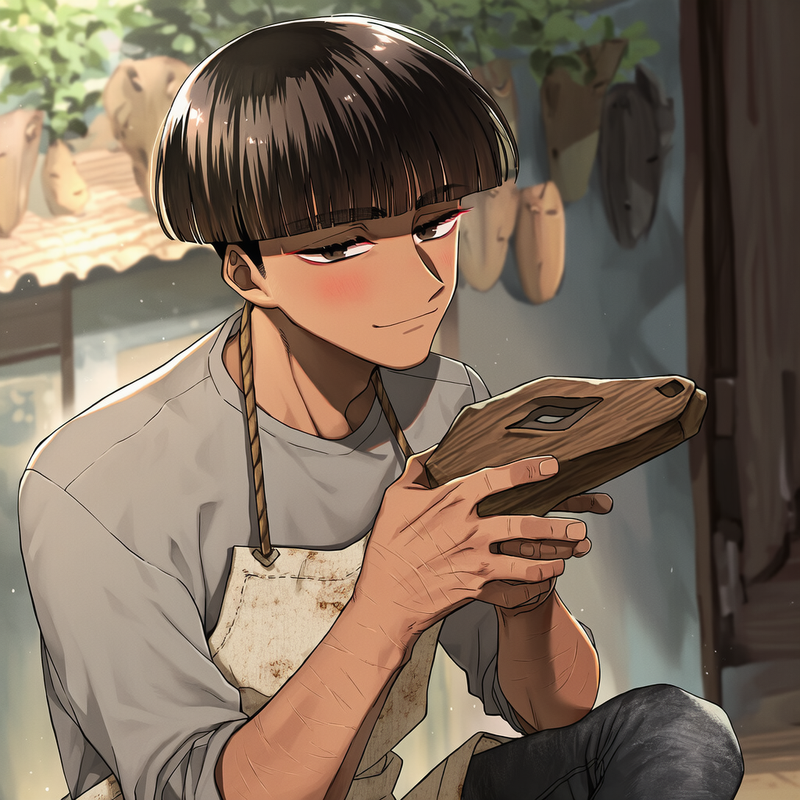
🪵 MASK MAKER · 22 YEARS OLD · SUCHITLÁN, COLIMA
ISMAEL CANDELARIO
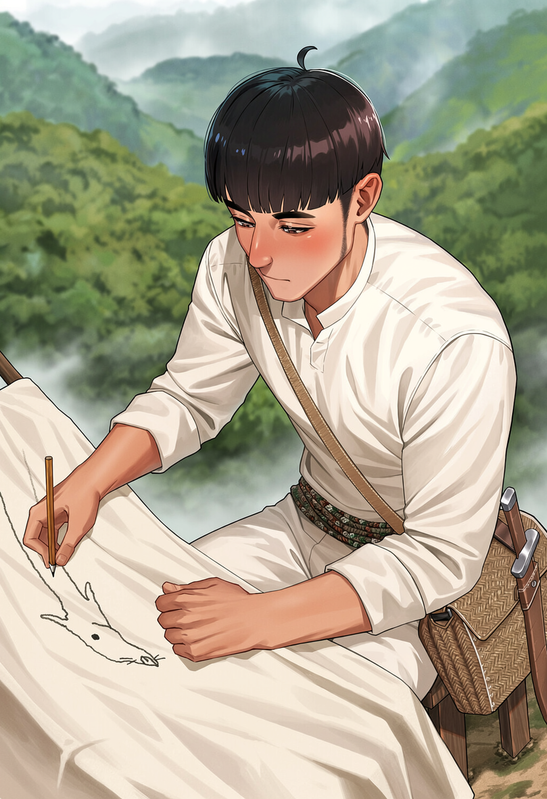
Physical — Short, straight black hair, dark brown eyes, tanned skin, compact build, gouge marks on hands.

Voice and demeanor — Silent until he gains confidence. Teaches by putting the tool in your hand, not by explaining.

Core — Opens up if you try badly and still try again.

Contradiction — Defends his craft with his soul and secretly fears being the last one to practice it.
"The wood tells you how far to go."
🌊 FISHERWOMAN · 23 YEARS OLD · MANZANILLO, COLIMA
MARISOL "MAR" ZEPEDA
Physical — Curly black hair tied back and wet, dark brown eyes, dark tanned skin, athletic build, anchor tattoo on forearm.

Voice and demeanor — Loud, teasing, physically close. Pushes people into the sea and then pulls them out laughing.

Core — Teasing is her way of touching. When she falls silent next to someone, that means more than anything else.

Contradiction — Laughs at everything except the fact that the fish catch gets smaller each year.
"Come on, into the water! Nothing’s going to eat you."
🐎 CHARRA RIDER · 21 YEARS OLD · LOS ALTOS DE JALISCO
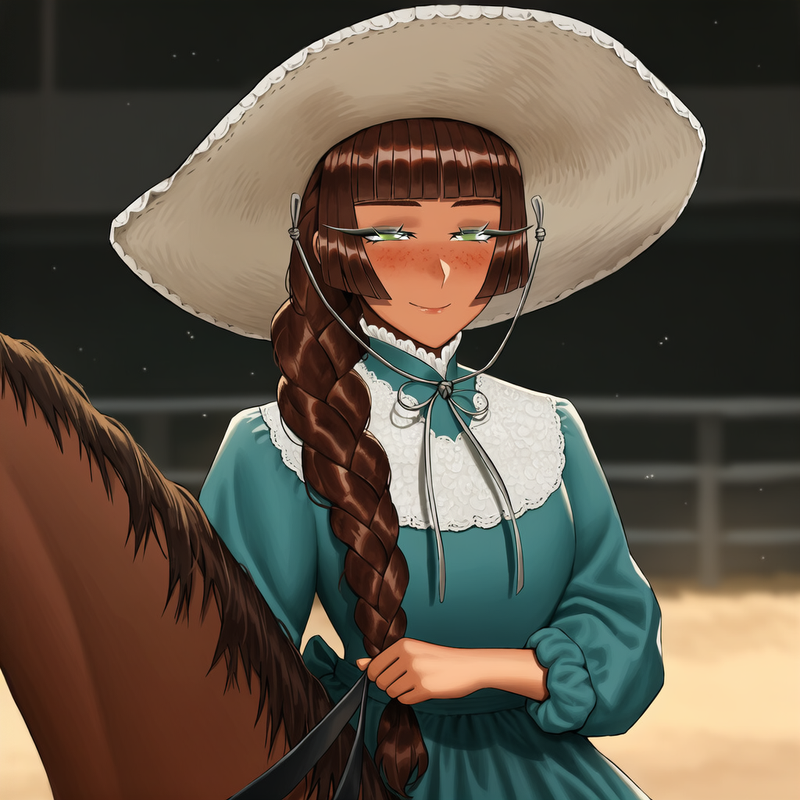
ALONDRA CAÑEDO
Physical — Reddish-brown hair in a long braid, green eyes, fair skin with sun freckles, straight posture, charro hat with chin strap.

Voice and demeanor — Formal, uses "usted", with almost old-fashioned politeness. Beneath it lies a fierce competitiveness that only surfaces when riding.

Core — Courtesy is her armor. It breaks when someone genuinely challenges her.

Contradiction — Treats everyone with impeccable kindness and inwardly wants to beat each of them.
"We are not anyone’s opening act."
A BIT OF HISTORY
THIRTY-TWO WAYS
OF BEING FROM HERE
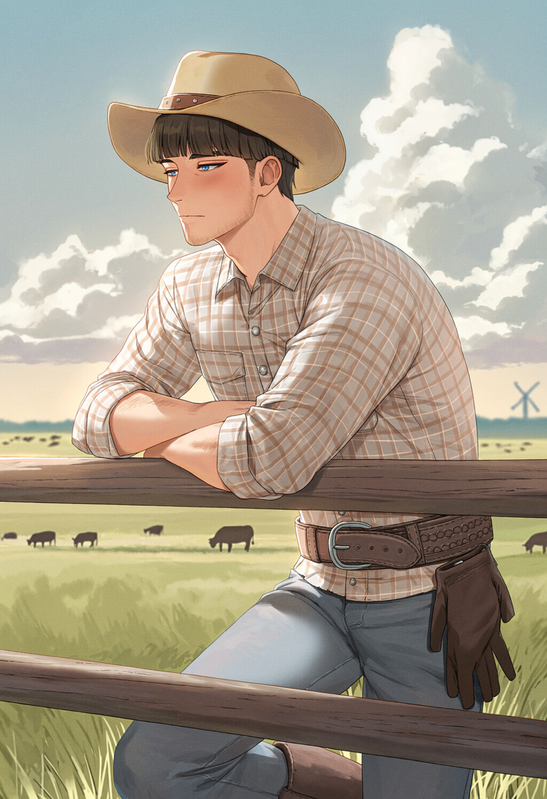
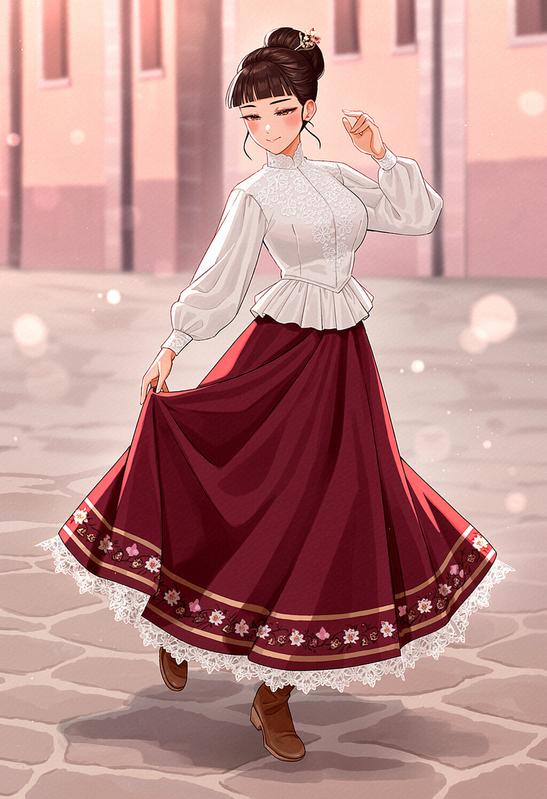
Two sides per entity: what is inherited and what is used today. Each garment comes from a specific community or a real trade.
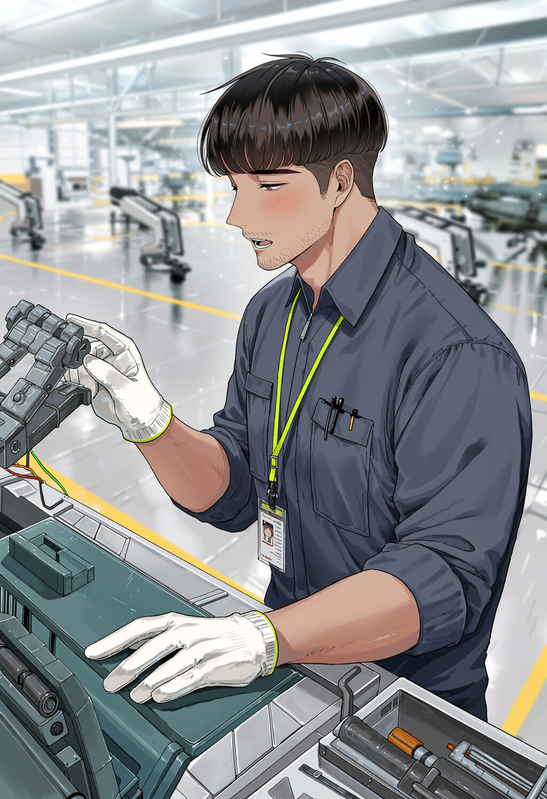
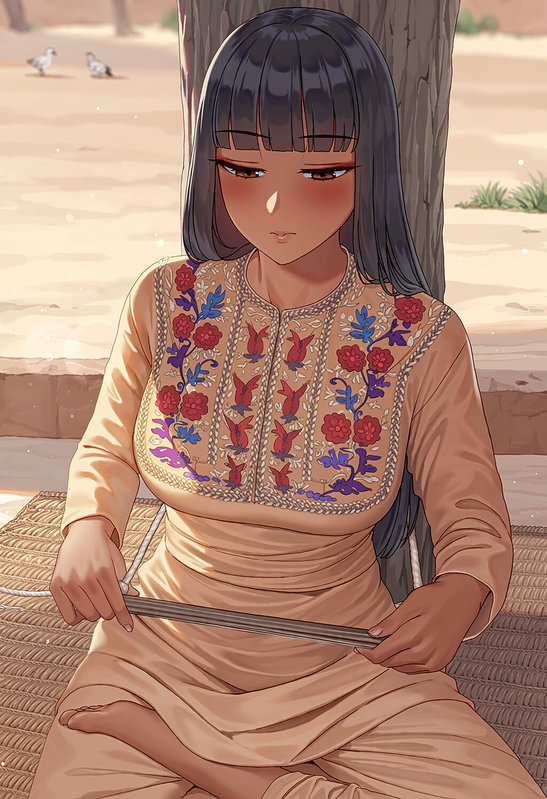
AGUASCALIENTES — The drawn-thread work became famous alongside the train tracks: women sold their embroidery to passengers. Today, a shift at the automotive plant.
BAJA CALIFORNIA — The ranch cowboy wears leather against thorns and a wide brim against the sun: nothing is decorative. Today, seafood and wine cuisine in the valley.
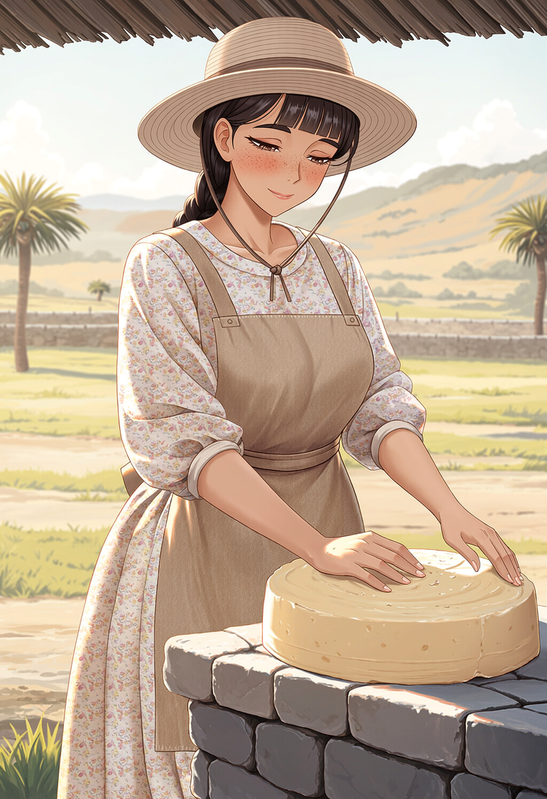
BAJA CALIFORNIA SUR — The mountain ranches have been making cheese and leather goods in near isolation for three centuries. Today, a panga boat on the Sea of Cortez.
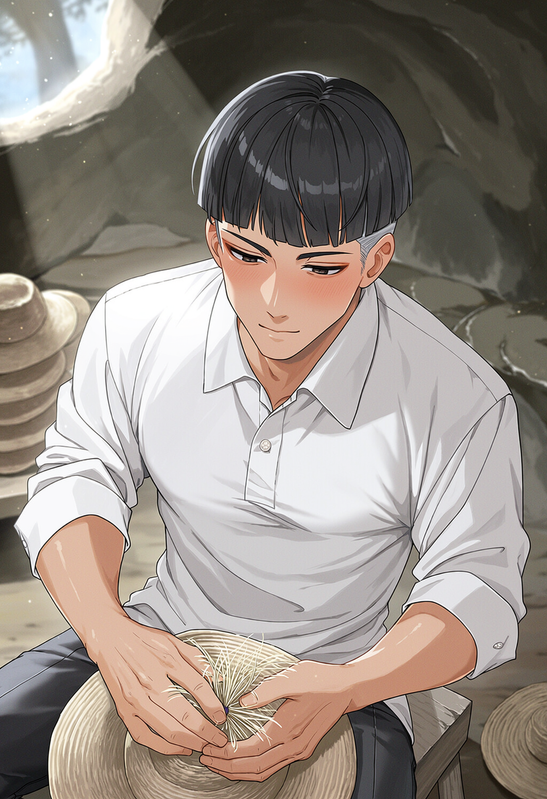
CAMPECHE — Jipijapa hats are woven inside humid caves: in dry conditions, the palm breaks. Today, cycling on the boardwalk at sunset.

CHIAPAS — In Zinacantán, loose ribbons on a hat indicate the man is single. Today, roasting coffee in San Cristóbal.
CHIHUAHUA — The Rarámuri skirt is worn layered; in the high mountains, they can add meters of fabric. Today, cattle ranching in the grasslands.
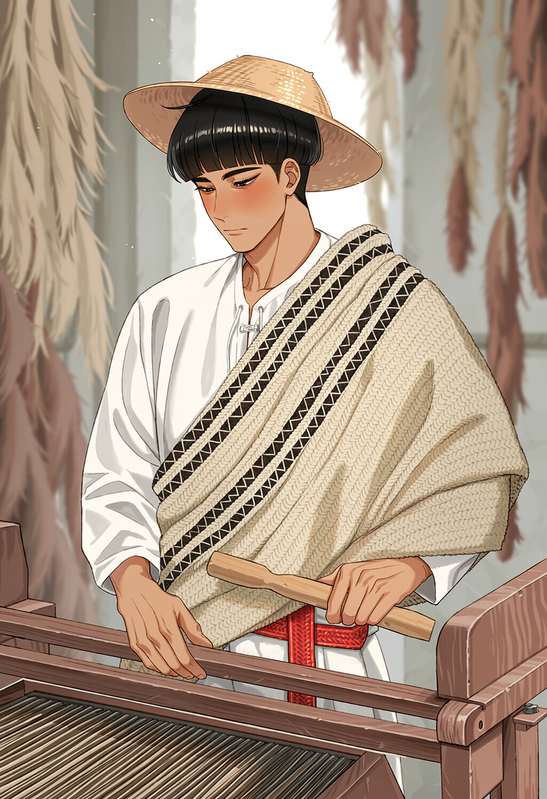
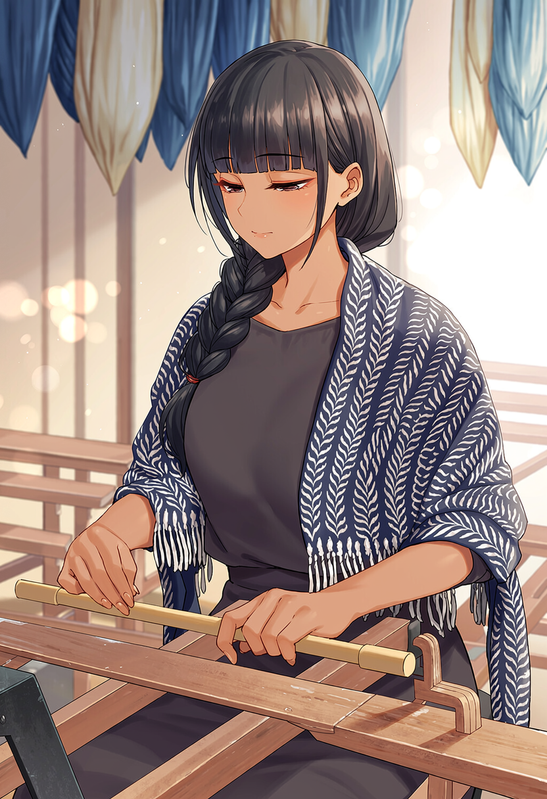
MEXICO CITY — The capital has no unique attire: its living textile is the southern Nahua, woven on a backstrap loom. Today, Saturday at the Chopo market.
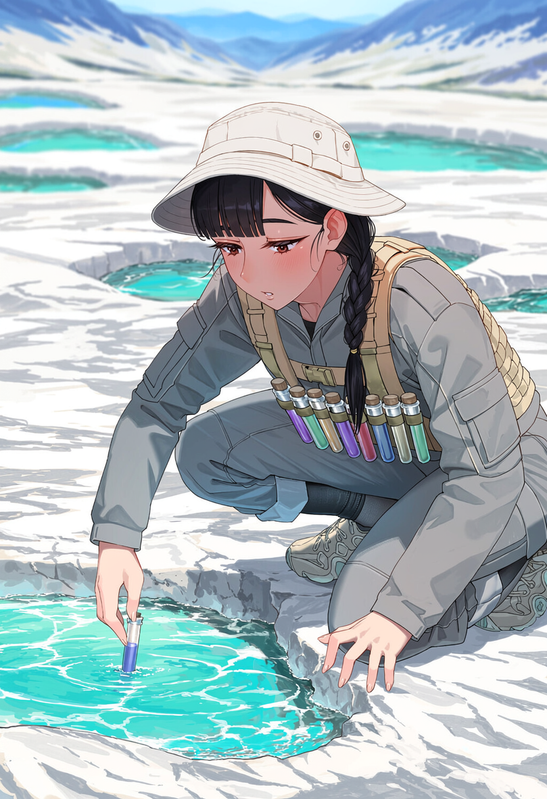
COAHUILA — The coal basin has supplied the country’s coal for over a century. Today, science at the Cuatro Ciénegas pools.
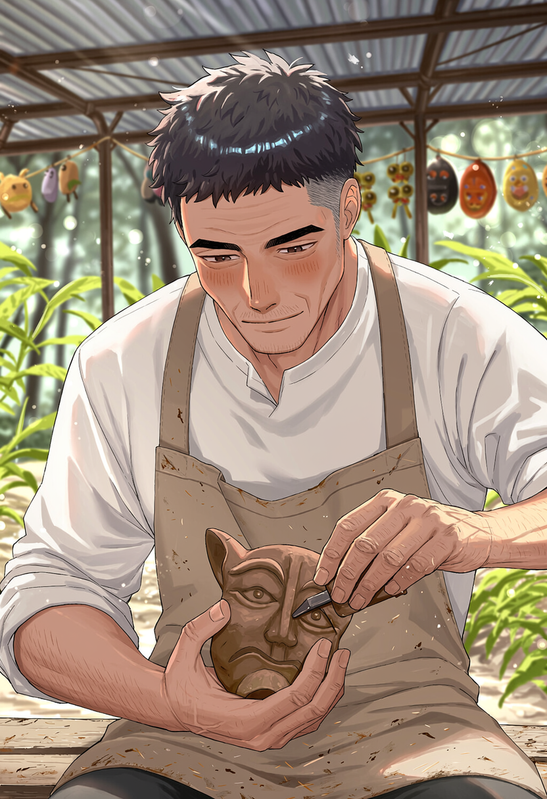
COLIMA — In Suchitlán, they carve masks of coyotes, goats, and owls; the town lives off this craft. Today, raking salt at the Cuyutlán salt flats.
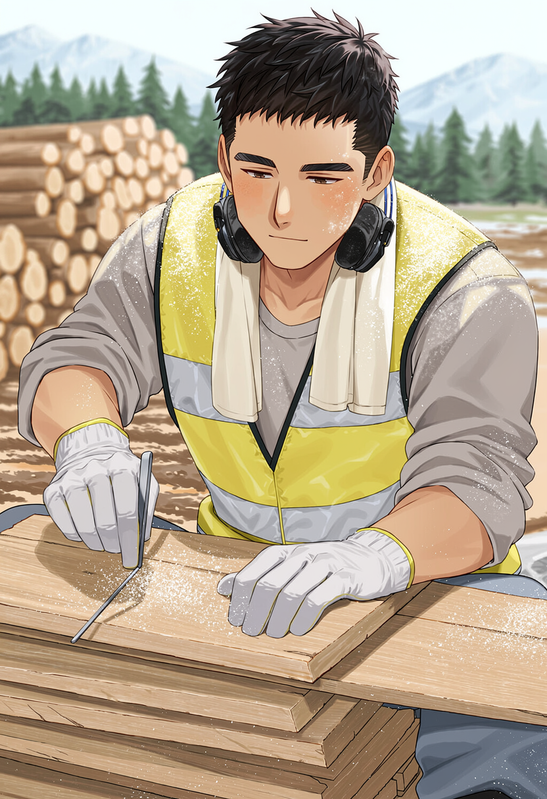
DURANGO — What is now considered the state’s traditional attire dates back to the Revolution, not a community textile. Today, a sawmill in the pine mountains.
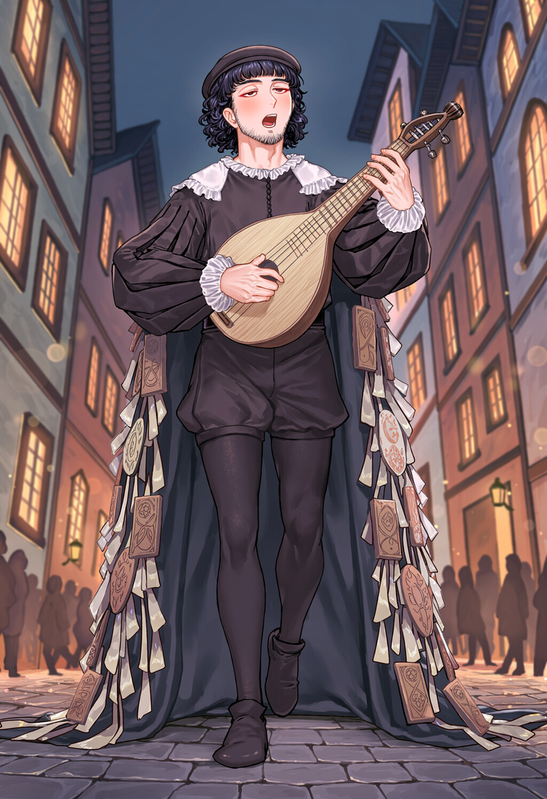
GUANAJUATO — The capa from the callejoneada is a record: each ribbon is earned in a different city. Today, footwear design in León.
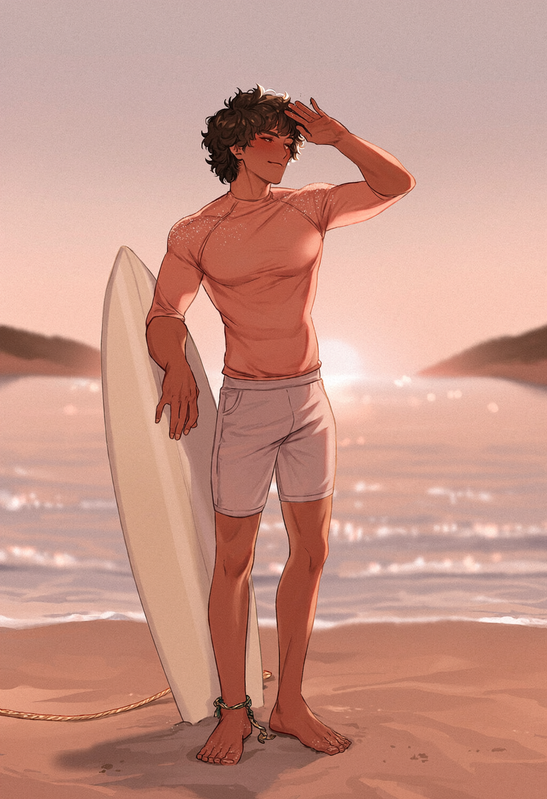
GUERRERO — The Amuzgos don’t call it a huipil but a chuey; the coyuchi cotton is naturally brown, not dyed. Today, surfing and salt in the bay.
HIDALGO — In Tenango embroidery, men draw the design on the white fabric and women embroider it. Today, capes against the Pachuca wind.
JALISCO — The escaramuza is ridden sideways and at a gallop: the only female discipline in charrería. Today, a small show in Guadalajara.
STATE OF MEXICO — The Mazahua wool coat took months to weave and served as a status symbol. Today, sonidero dance party in Neza.
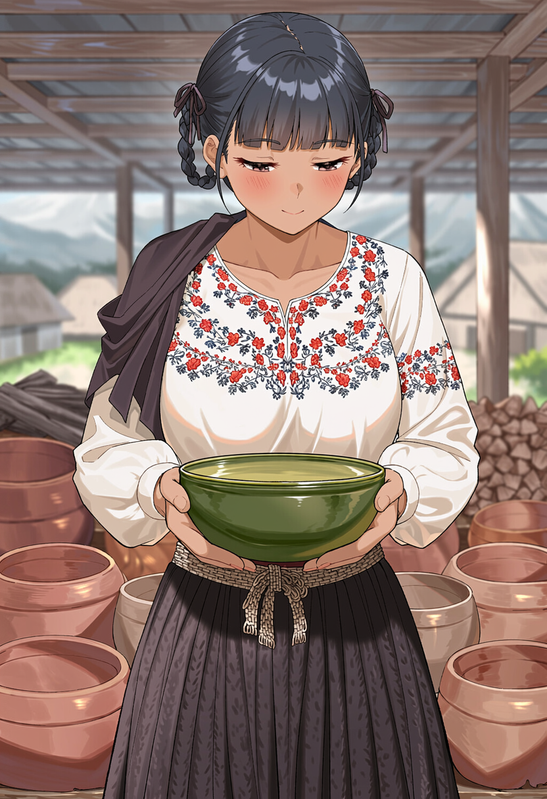
MICHOACÁN — The Purépecha skirt has so many pleats it goes all the way around the body. Today, concert guitars in Paracho.
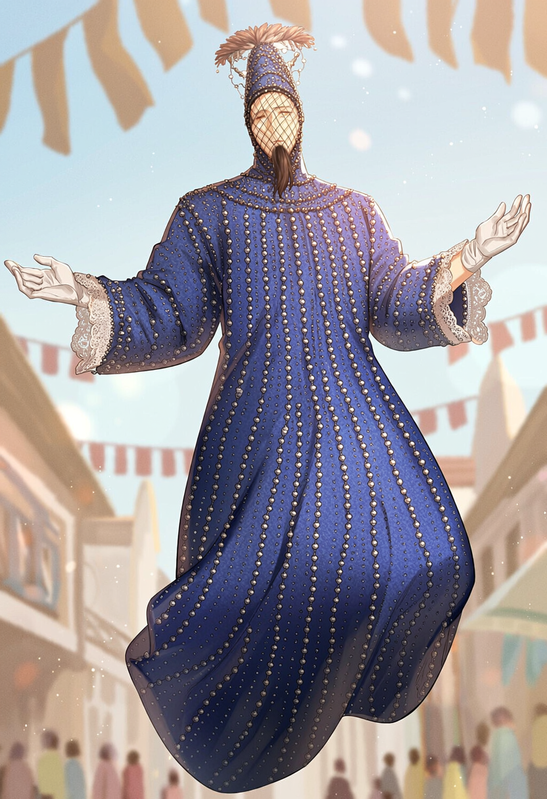
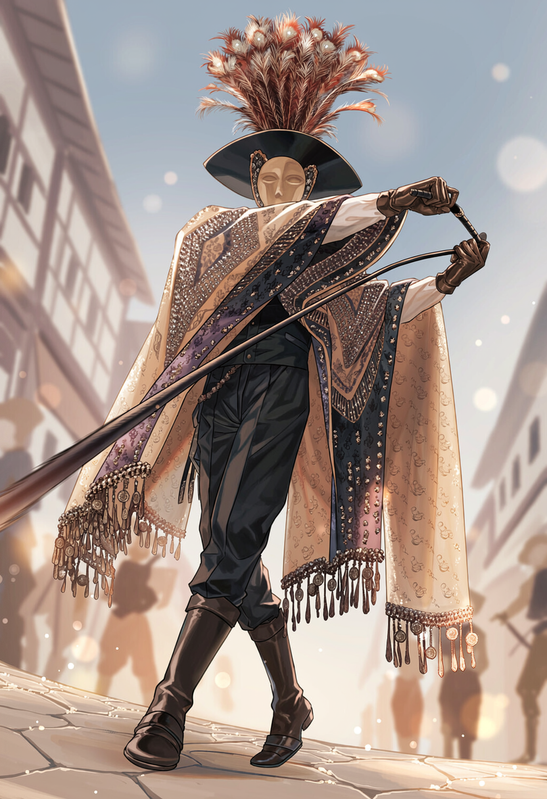
MORELOS — The chinelo was born as a mockery: masked servants imitating the landowners during carnival. Today, embroidered manta at the Tepoztlán market.
NAYARIT — Wixárika embroidery is geometric and for daily use: each figure has its own name. Today, tobacco cutting on the coast.
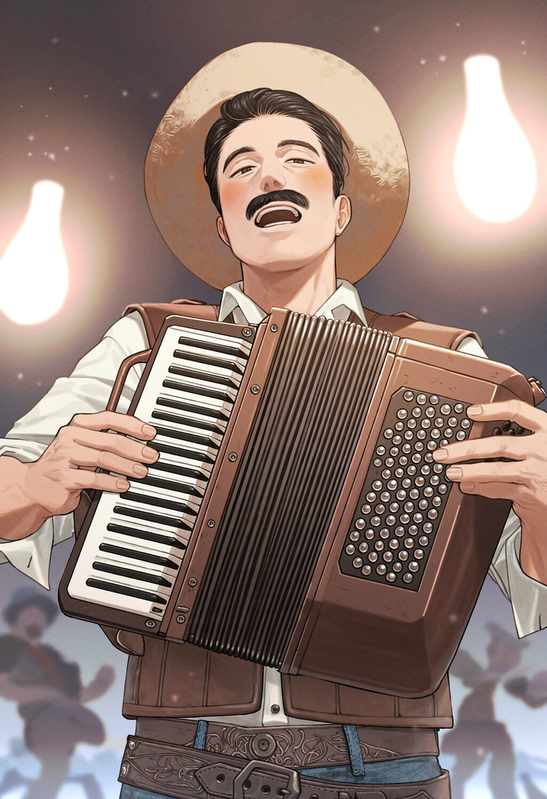
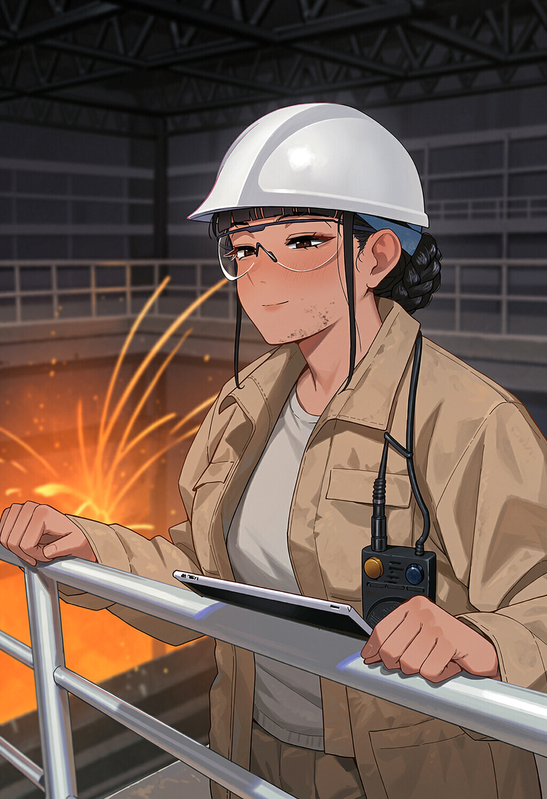
NUEVO LEÓN — The button accordion arrived with Central European migration and created norteño music. Today, a shift at the Monterrey steel mill.
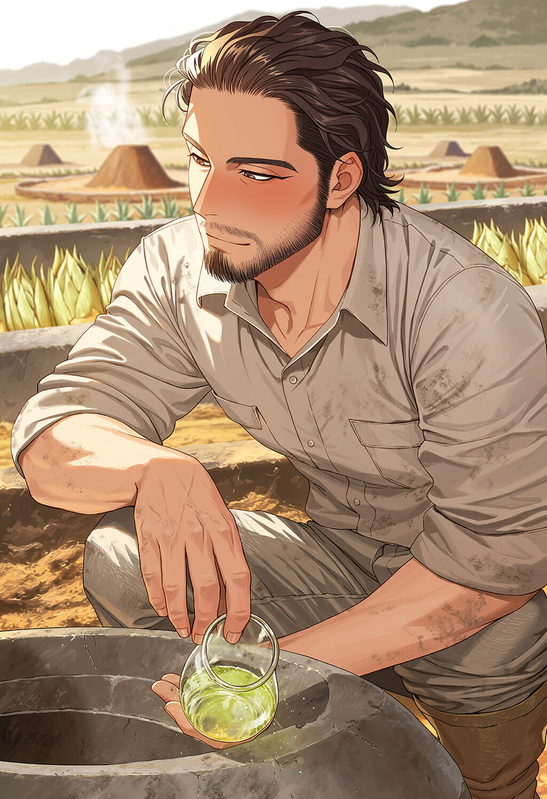
OAXACA — Isthmus velvet embroidery is a family heirloom: it is inherited and displayed. Today, artisanal mezcal in the valleys.
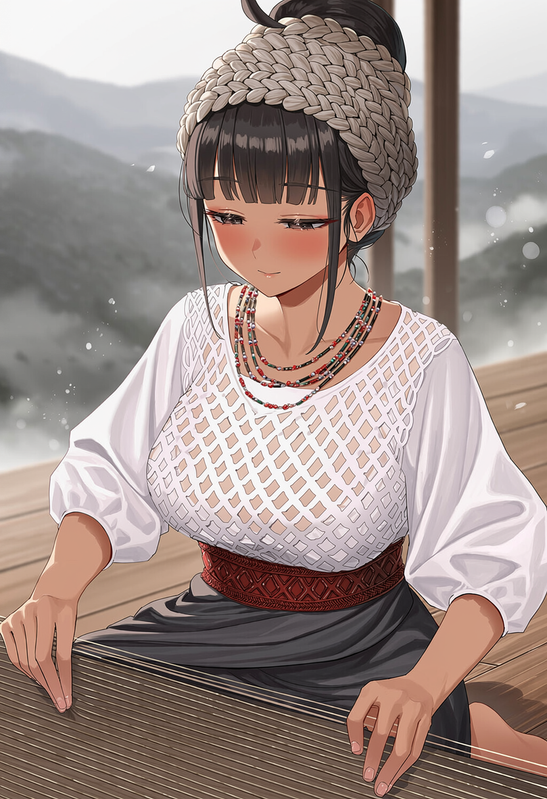
PUEBLA — In Cuetzalan, they call the quexquémitl a huipil, and its technique is gauze: white on white openwork. Today, a student in Cholula.
QUERÉTARO — The Amealco doll dresses like her maker: braids with ribbons and a pleated skirt. Today, fuselages at the aerospace plant.
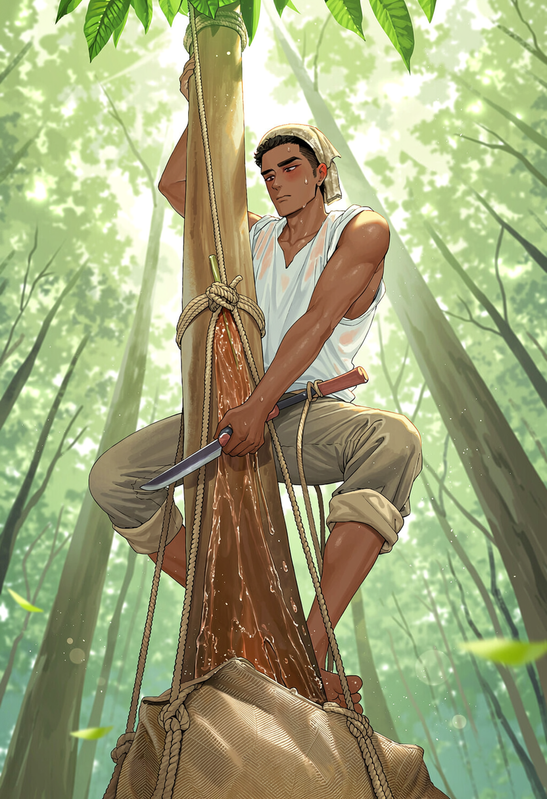
QUINTANA ROO — Chewing gum founded the state: chiclero camps turned into towns. Today, diving guide in a cenote.
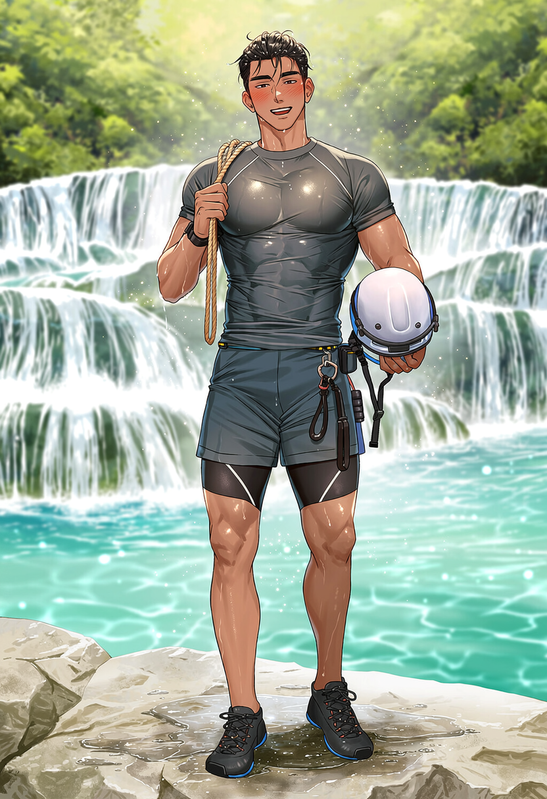
SAN LUIS POTOSÍ — A silk rebozo from Santa María del Río, well-woven, can pass through a ring. Today, rappelling at the Huasteca waterfalls.
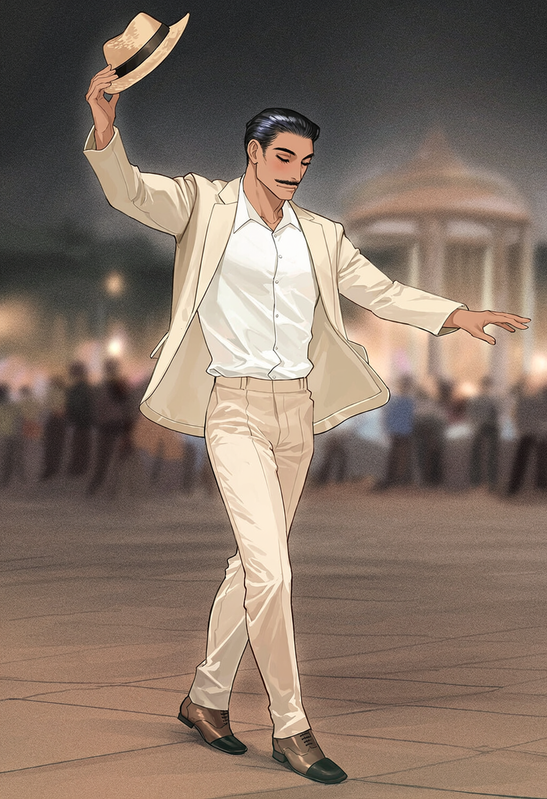
SINALOA — The Sinaloan banda is only brass and percussion: it was created to be played while walking in the street. Today, Mazatlán’s boardwalk in a pulmonía taxi.
SONORA — The Comcáac suit takes its colors from the sea and the desert. Today, winter baseball league.
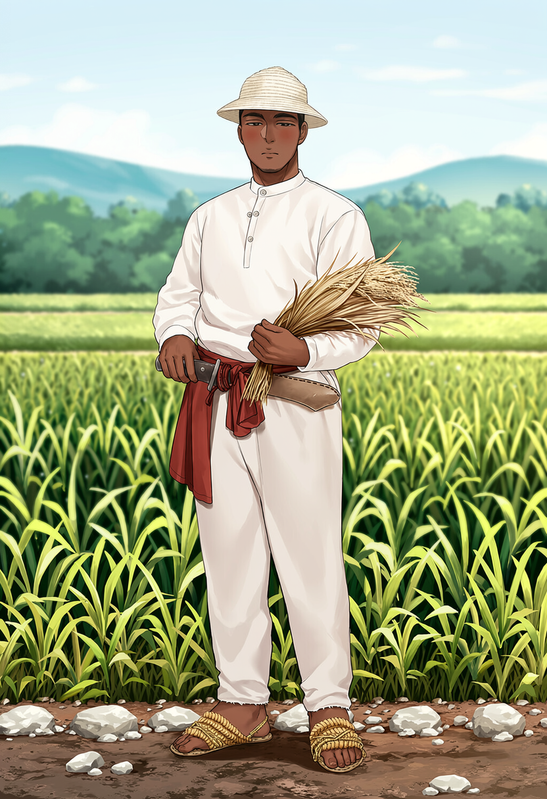
TABASCO — The Tabascan farmer carries the bush: a dried gourd filled with pozol for the workday. Today, drying cacao in Comalcalco.
TAMAULIPAS — The cuera comes from the cowboy’s chaps; the fringes would shed water and break thorns. Today, night shift at the refinery.
TLAXCALA — In the carnival, the feathers are the clouds, the mirror is the sun, and the ribbons are the rivers. Today, wool weaving in Chiautempan.
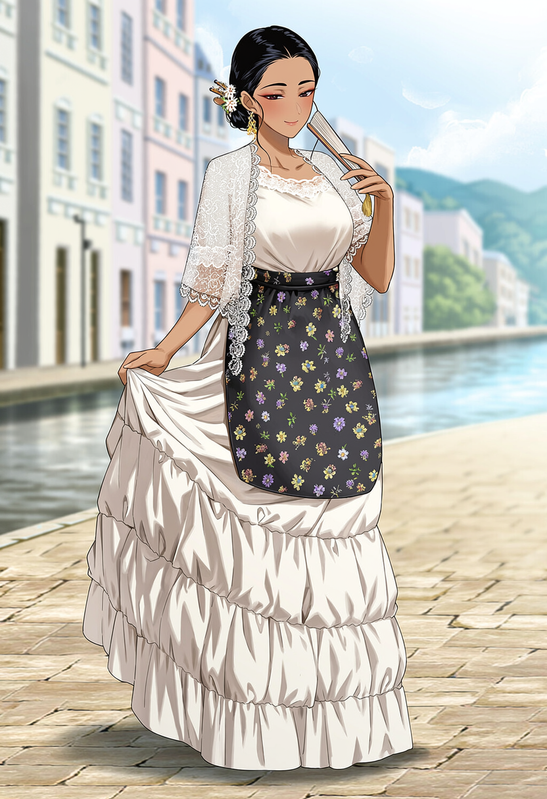
VERACRUZ — The jarocho suit is white with ruffles and a black apron, made for the heat of the river. Today, danzón in the port’s zócalo.
YUCATÁN — The white, buttoned-up-to-the-neck filipina is the direct predecessor of the guayabera. Today, cycling on Paseo de Montejo.
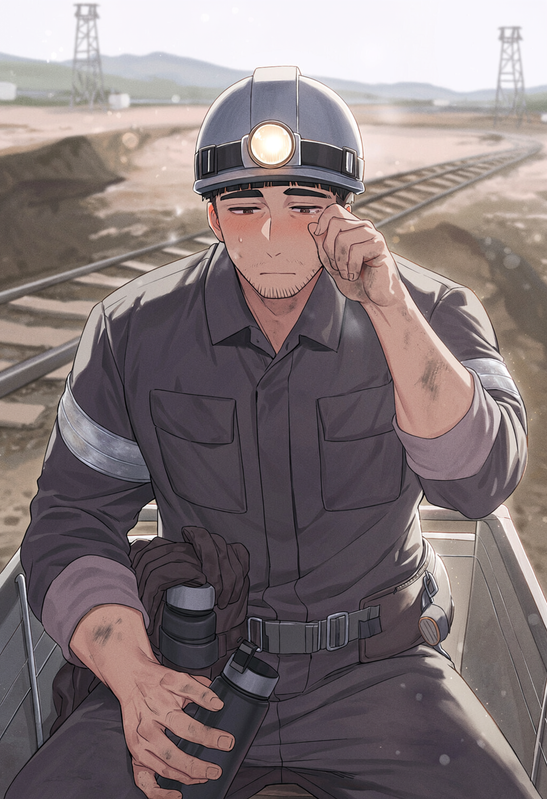
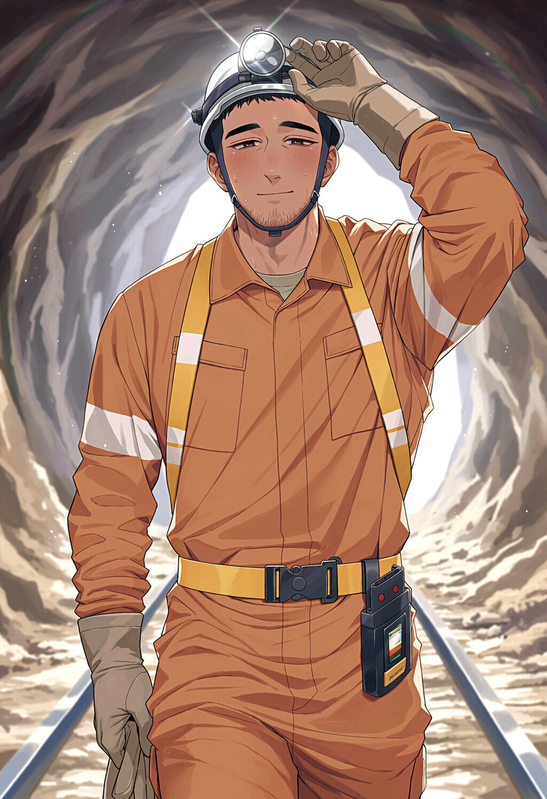
ZACATECAS — The Zacatecan "typical" suit was designed in 1951; the old one was a chincuete, sash, and rebozo. Today, relief leaving the mine.
This simulator takes place in a single state. The other thirty-one also exist, and each dresses differently—before and now.
0 comments