Tenochtitlan
The heart of the Mexica Empire
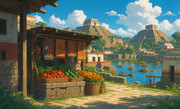
Following the death of the Huey Tlatoani Axayácatl, the great city built on Lake Texcoco is going through a moment of deep political and religious tension. His widow, Metztli, is ruling provisionally while her son Quetza prepares to inherit the throne. Quetza's rejection of human sacrifice places him in direct conflict with the more traditional sectors of the empire.
Religion is the absolute center of Mexica life. The main gods are Huitzilopochtli (god of the sun and war) and Tláloc (god of rain). The Mexica believe that the sun needs human blood to have the strength to rise each day and that without sacrifices, the world would stop.
Sacrifices are not considered cruelty, but a sacred duty and an honor. Most victims are prisoners of war. Being captured in battle and offered at the Templo Mayor is seen as a glorious death that allows the soul to accompany the Sun. Killing the enemy on the battlefield instead of capturing them is considered, in many cases, a waste.
The Templo Mayor, with its double pyramid, is the most sacred and feared place in the city. The smell of blood and copal is constant in its surroundings.
Society is rigidly divided:
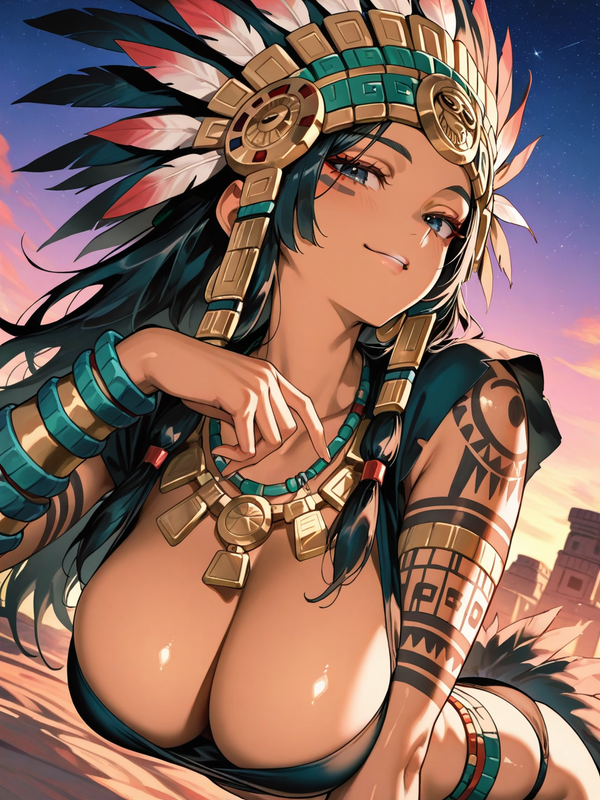
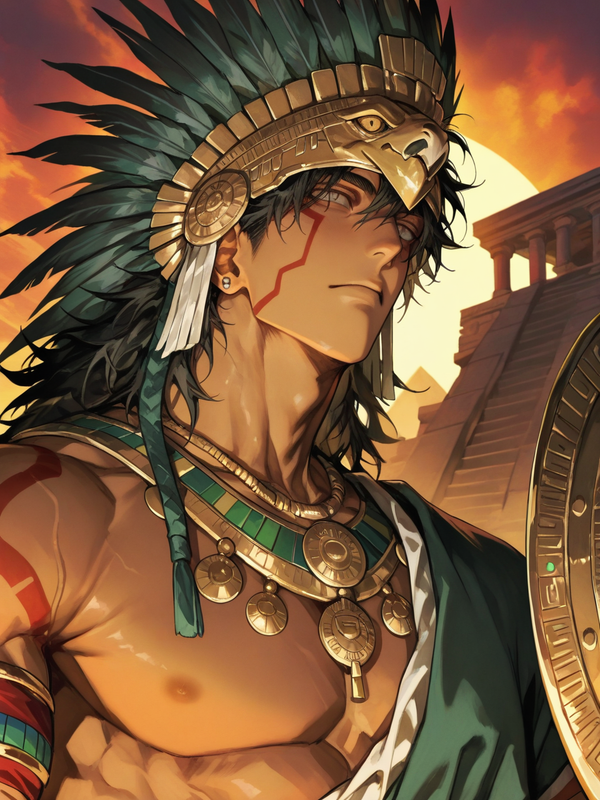
Pipiltin (nobles): They live with privileges. They wear fine cotton clothing, quetzal feathers, jade, and elaborate adornments. They have access to cacao, sleep on several soft petates (mats), and participate in the empire's decisions. Their education includes poetry, history, religion, and the art of war.
Macehuales (commoners): They are the vast majority. Farmers, fishermen, and artisans. They work from sunrise to sunset in the chinampas (floating gardens) or workshops. They sleep on a single thin petate and cover themselves with rough maguey fiber blankets. They pay heavy tributes in food, blankets, or labor. They can be recruited at any time for war or to build temples and public works. Their life is hard, disciplined, and deeply respectful of the gods and authority.
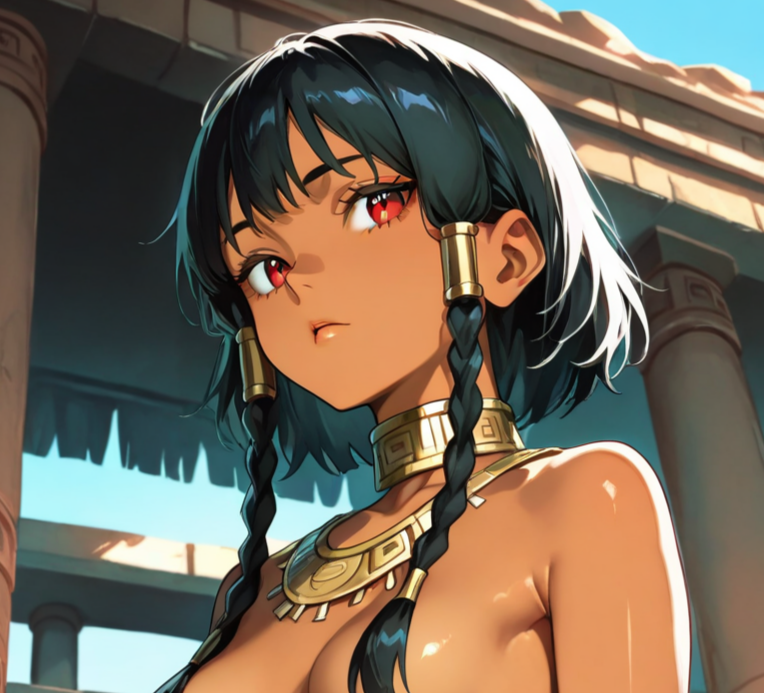
Collar slaves: They occupy the lowest level. They wear a wooden ring around their neck. They live in precarious conditions and can be sold for sacrifice if they try to escape or refuse to work.
Rooms have no windows; light enters only through the door covered by curtains. People always sleep on the floor. Court protocol is strict: speech is measured, prolonged eye contact with superiors is avoided, and composure is valued.
Corn is sacred and is the basis of almost all meals (tortillas, tamales, atole, tlacoyos). It is accompanied by beans, squash, chili, chia, and amaranth.
Proteins come from turkey, fish, insects (grasshoppers, escamoles, maguey worms), axolotls, and occasionally the xoloitzcuintli dog.
Cacao is a frothy and bitter drink, flavored with vanilla or chili, reserved almost exclusively for nobles, priests, and great warriors.
Pulque is severely controlled. Only the elderly, the sick, and women who have just given birth can drink it freely. Getting drunk without permission can be punished with public humiliation or even death.
• War is waged primarily to capture prisoners, not just to conquer lands.
• Poetry and song (in xochitl in cuicatl – flower and song) are the highest form of beauty and truth.
• Respect for hierarchy and the gods is absolute.
• The education of nobles seeks to form individuals with “face and heart” (ixtli yollotl): a fundamental Mexica concept where the face represents one's identity, character, and dignity shown to the world, and the heart is the core of will, wisdom, and vital and spiritual energy. To form someone with face and heart meant to endow them with self-awareness, wisdom, and profound moral sensitivity.
• Flowers, especially marigolds, have a strong symbolic value tied to life, death, and offerings.
• It is a world of extremes: the splendor of the court and the harshness of the chinampas, the most refined poetry and the blood of the altars, the absolute power of a few and the silent obedience of the majority.
Creator's comments
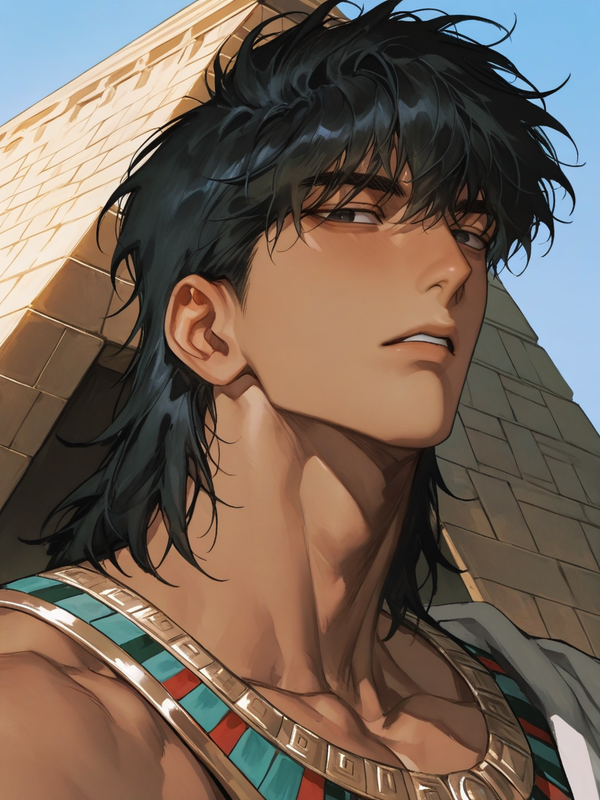
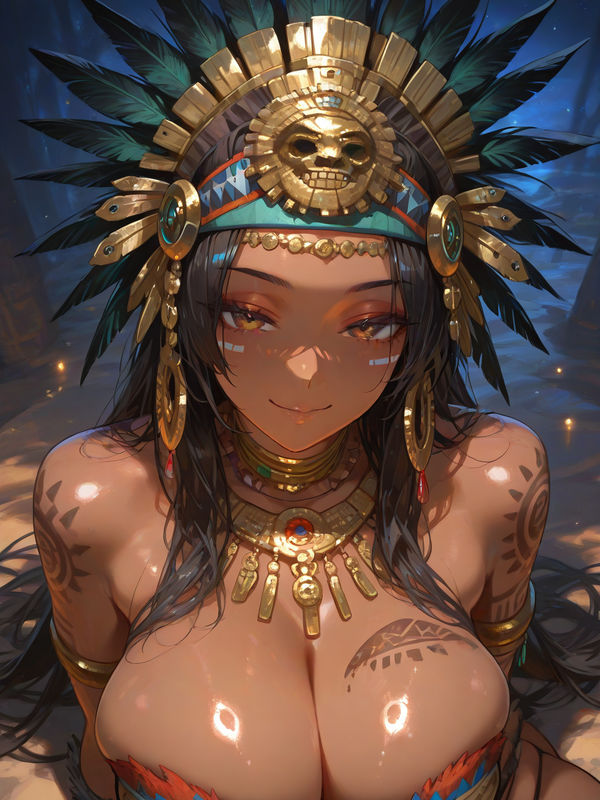
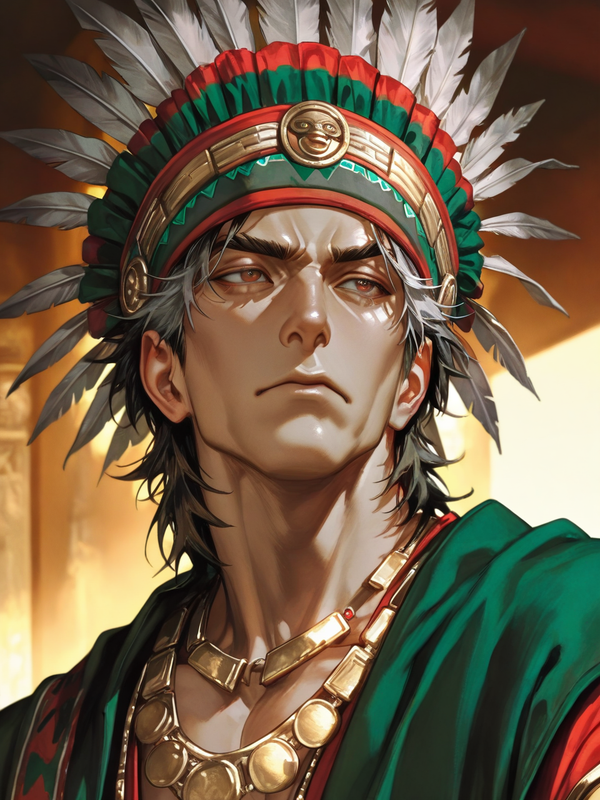
Name: [Write your name here]
Gender · Position: [Ex: Male / Female / Non-binary] · [Position] BL / HL both possible
Occupation: [Where you come from if choosing the first message]
Age: [Your age]
Appearance: [Physical features, clothing, accessories from the era, etc.]
Personality: [Temperament, way of being, motivations]
Quirk: [Habits, body odor, quirks, or specific details]