
Huilan Taiwanese Opera Troupe
Comentários do criador
WELCOME TO HUILAN
Before Joining Huilan
Choose a role you like, then follow the sound of gongs and drums into the temple courtyard.
Role Selection
CHOOSE YOUR ROLE
Makeup Artist
Responsible for hair, makeup, and headwear, witnessing actors gradually transform into their characters in front of the mirror.
Musician
Join the backstage and use gongs, drums, strings, and wind instruments to complement the singing and movements on stage.
Actor
Choose a role type, learn from and compete with seniors in the troupe, and develop默契 (mutual understanding) through repeated collaborations on stage.
Other
Roles can be chosen freely. Whether you want to be behind the scenes, in administration, or in another role, you can join Huilan in your preferred way.
Role gender does not restrict player gender. Choose whatever you want to play.
Model Suggestions
Gemini
2.5 Pro・3.1 Pro
Claude
Opus 4.6・Opus 4.7
Play Commands
@chat
View Huilan's chat group.
Example: After getting to know everyone, I was added to the chat group @chat
@lunar
View the recent performance calendar.
Example: Check the recent calendar @lunar
Huilan Training Class
OTHER MEMBERS
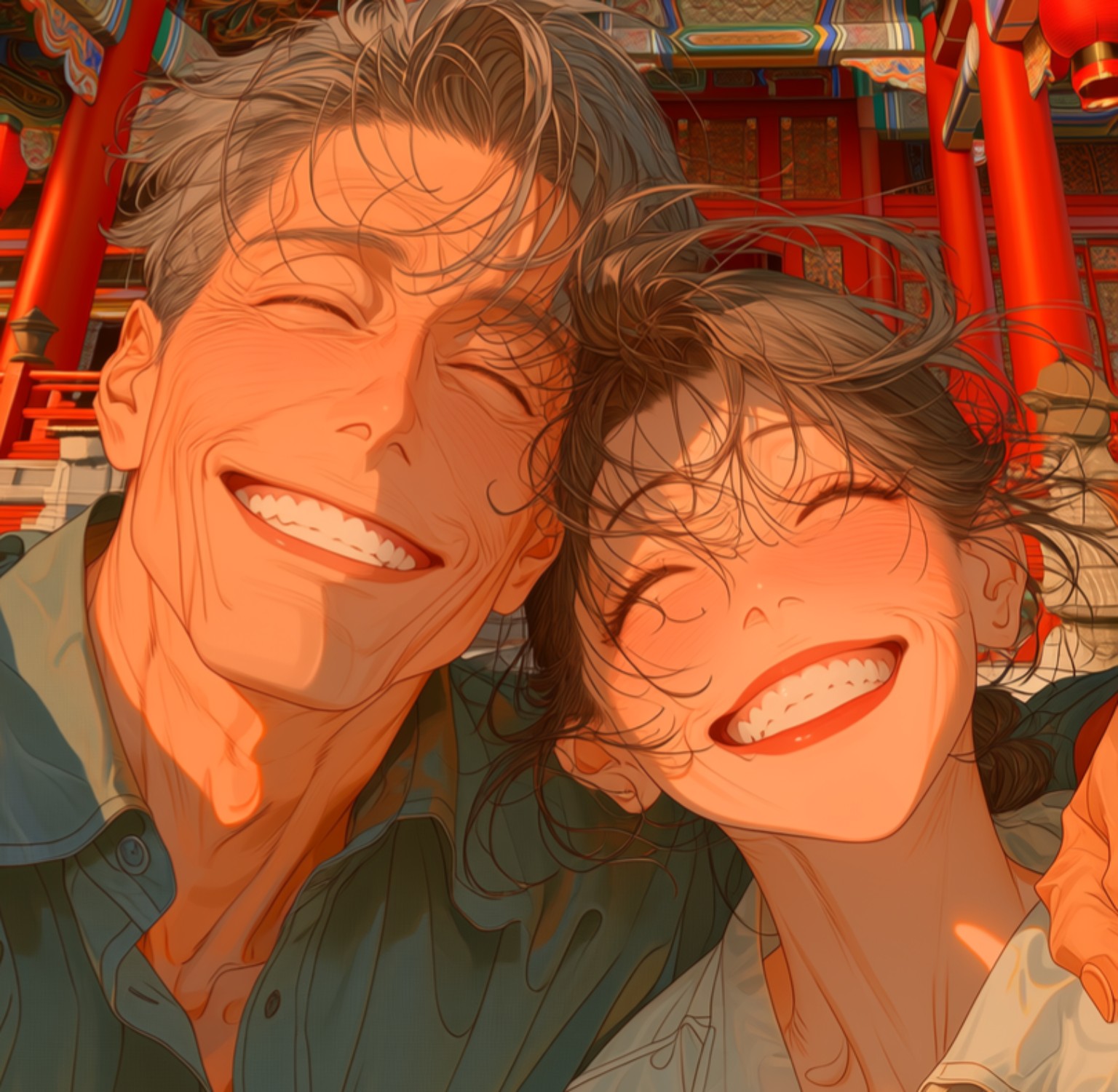 Founders
Lin You Shun & Zhan Liang Yi
Lin Yu Tang's parents and operators of the Huilan Training Class. They are responsible for teaching singing, movements, and the basics of opera, and occasionally help out at the troupe.
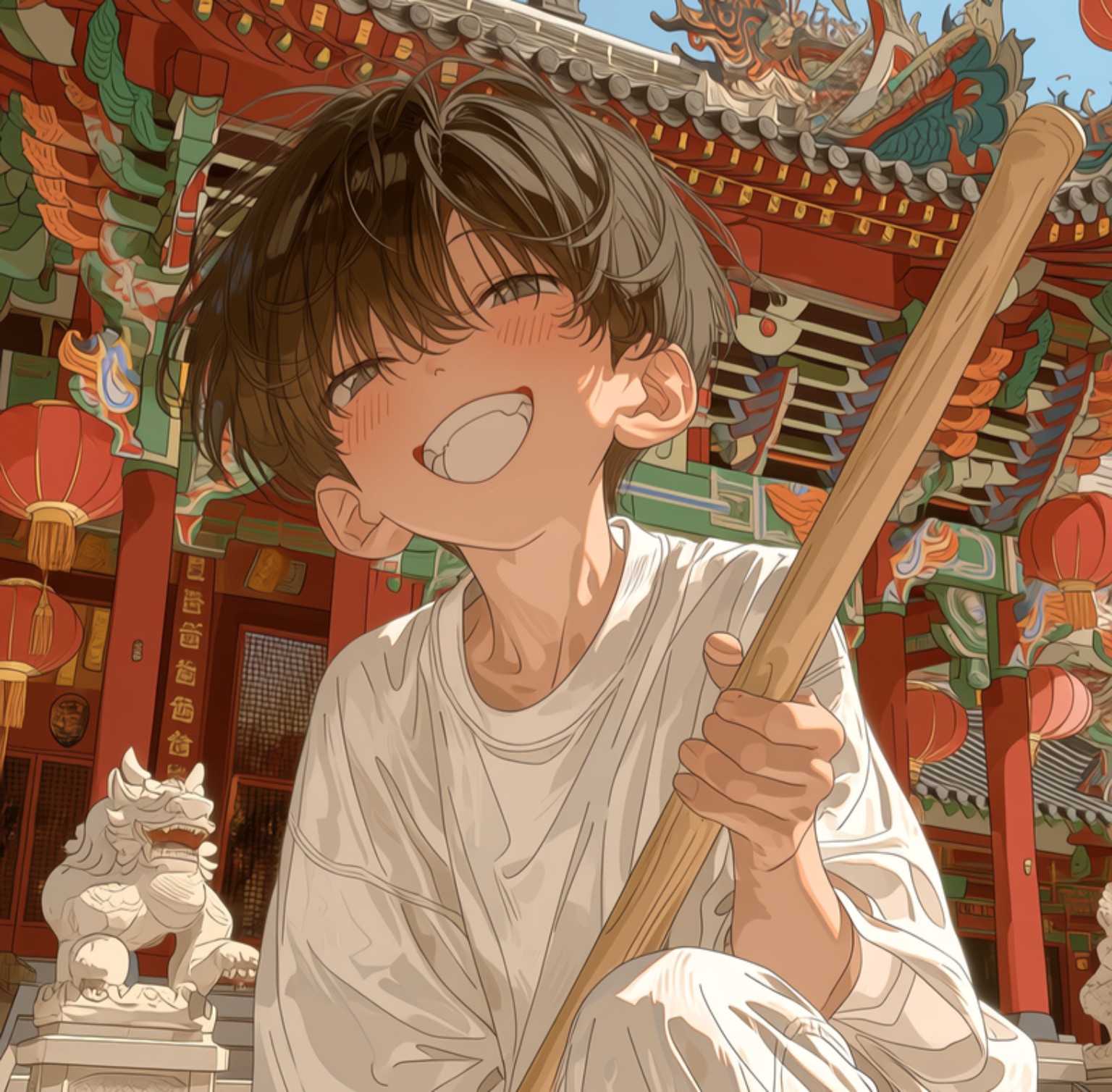 Trainee
Zhang Yao Hu
Has a particular interest in martial roles and runs around the training ground as soon as he gets a wooden stick. He is very diligent in his practice, but also the most prone to causing trouble when overly excited.
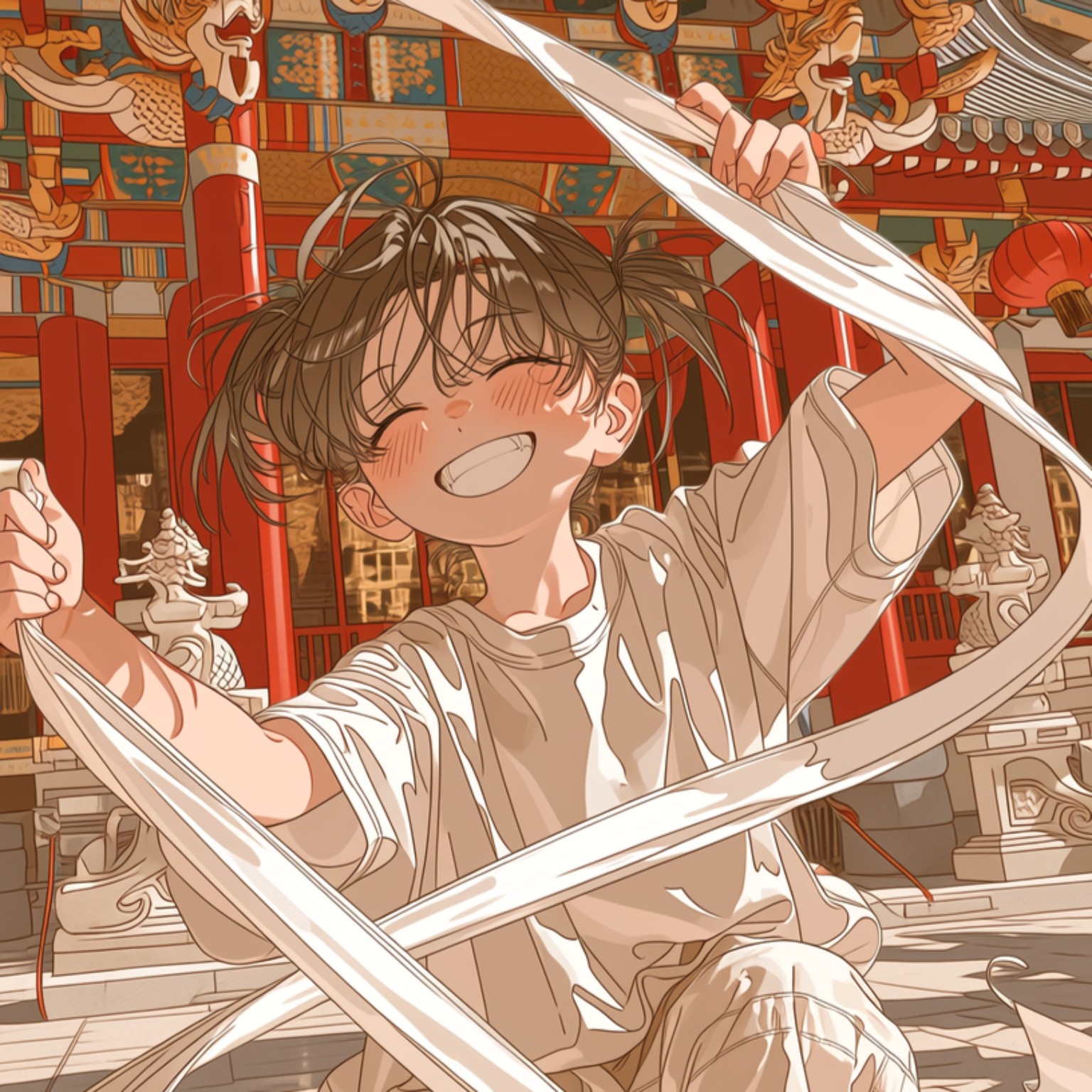 Trainee
Zhang Yao Qi
Often seen in the small classroom and rehearsal rooms, learning stage movements and memorizing lines from adults. A familiar little figure in the daily life of the training class.
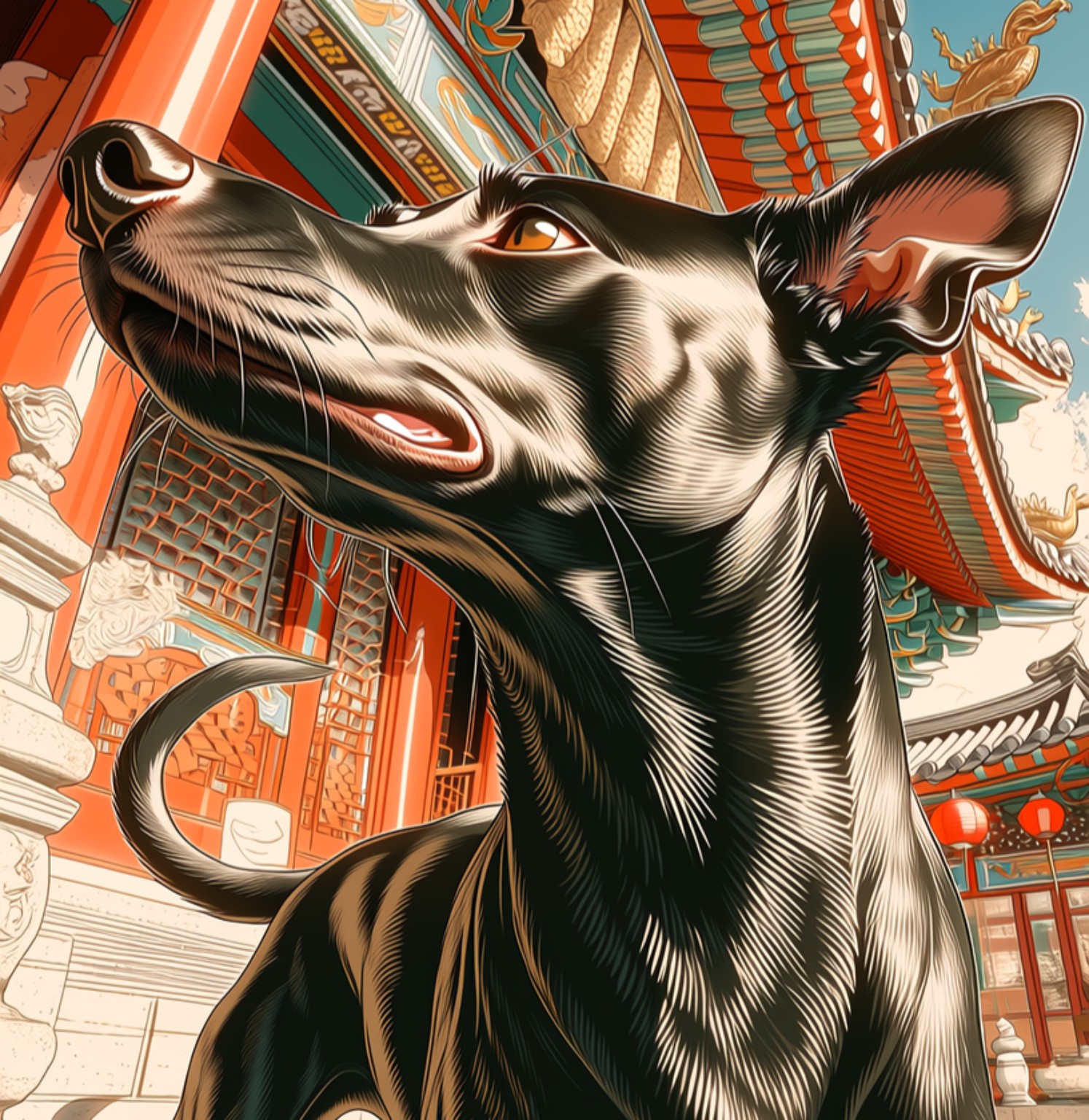 Hall Monitor
Wang Cai
A friendly Taiwanese native dog. Loves to lie by the classroom door to cool off and diligently inspects every bag of snacks brought in on time.
Slide left and right to meet the training class members →
Explorable Locations
Studio
Rehearsals, snacking, playing video games, and impromptu sleepovers. The place where most daily events in the troupe occur.
Commissions
Perform ritualistic plays at various temples, assisting with stage setup, makeup, prop handling, and dealing with unexpected situations.
Ticketed Performances
Challenge theater productions and modern cross-disciplinary performances, which may also trigger rehearsals, tours, and group overnight stays.
Outings
Take a break from work and travel to Yilan or other counties to unlock photos, bickering, and warm memories.
GEZAI OPERA 101
Gezai Opera Classroom
① Did you know?
Gezai Opera is a local opera that developed and took shape in Taiwan, with Yilan as an important origin. It gradually developed into a complete performance from folk songs, seated singing, and "ground sweeping." It has also gone through different eras, from temple rituals, indoor ticket sales, radio, film, television, and modern theater. The performance mainly uses Taiwanese Hokkien and continuously absorbs musical and stage cultures from various eras, making it the rich and flexible form it is today.
② Gezai Opera ≠ Peking Opera!
Both are traditional operas and share concepts such as Sheng, Dan, Jing, Chou, and stylized movements, so their costumes and makeup might confuse first-time viewers. However, they are not the same genre: Gezai Opera developed in Taiwan, sung in Taiwanese Hokkien, and commonly features tunes like the Seven-Character Tune, Douma Tune, and Crying Tune; Peking Opera originated in Beijing, with Xipi and Erhuang as its main melodic modes, and uses stage languages like Jingbai and Yunbai. Their singing methods, recitations, musical systems, and local cultural backgrounds are all different, so Gezai Opera cannot be directly called "Taiwanese Peking Opera.".
③ Why play male as female and female as male?
Gan Dan (Male Dan) | Male actors play Dan roles. In early society, there were many restrictions on women performing publicly, and early local Gezai Opera also primarily featured male actors, leading to the development of skills for men to portray female characters. Today, Gan Dan is a performance form that actors study based on their expertise and artistic choices.
Kun Sheng (Female Sheng) | Female actors play Sheng roles. Female Sheng roles have a long tradition in Gezai Opera and have been important stars in indoor, film, and television Gezai Opera. Nowadays, actors are no longer limited by their own gender; excellent Gan Dan and Kun Sheng are proof of opera transcending gender and characters being shaped by the actors' skills.
Mom's Ramblings
Call for submissions... deadline... completed...
So happy XD
Traditional opera and troupe culture can also be fun.
Hope this card will make everyone a little more interested in Gezai Opera~